A vast collection of historical scientific documents, including the records of the Australian Antarctic explorer Louis Bernacchi, has been digitized and made available to the public by the Royal Society. The archive brings together more than 1,600 sets of meteorological, magnetic, and tidal observations collected worldwide between 1706 and 1915.
The documents can now be consulted through the Science in the Making portal, opening an important resource for researchers studying the history of global climate and climate change.
The Australian who helped uncover Antarctica
Among the highlights of the collection are the notebooks and records of Louis Bernacchi, a Tasmanian-born physicist and astronomer who joined the famous Discovery Expedition to Antarctica between 1901 and 1904, led by Robert Falcon Scott and Ernest Shackleton.
Bernacchi was the only Australian to participate in this British expedition and had already made history by becoming the first Australian to set foot on the Antarctic continent.
As the mission’s physicist, he was responsible for the systematic collection of meteorological data in one of the planet’s most inhospitable regions. The seven volumes now made available include measurements of temperature, wind, precipitation, seismic activity, and observations of the aurora australis.
Among the most curious documents is his so-called “aurora diary,” which gathers hand-drawn illustrations of atmospheric and electrical phenomena observed during the expedition.
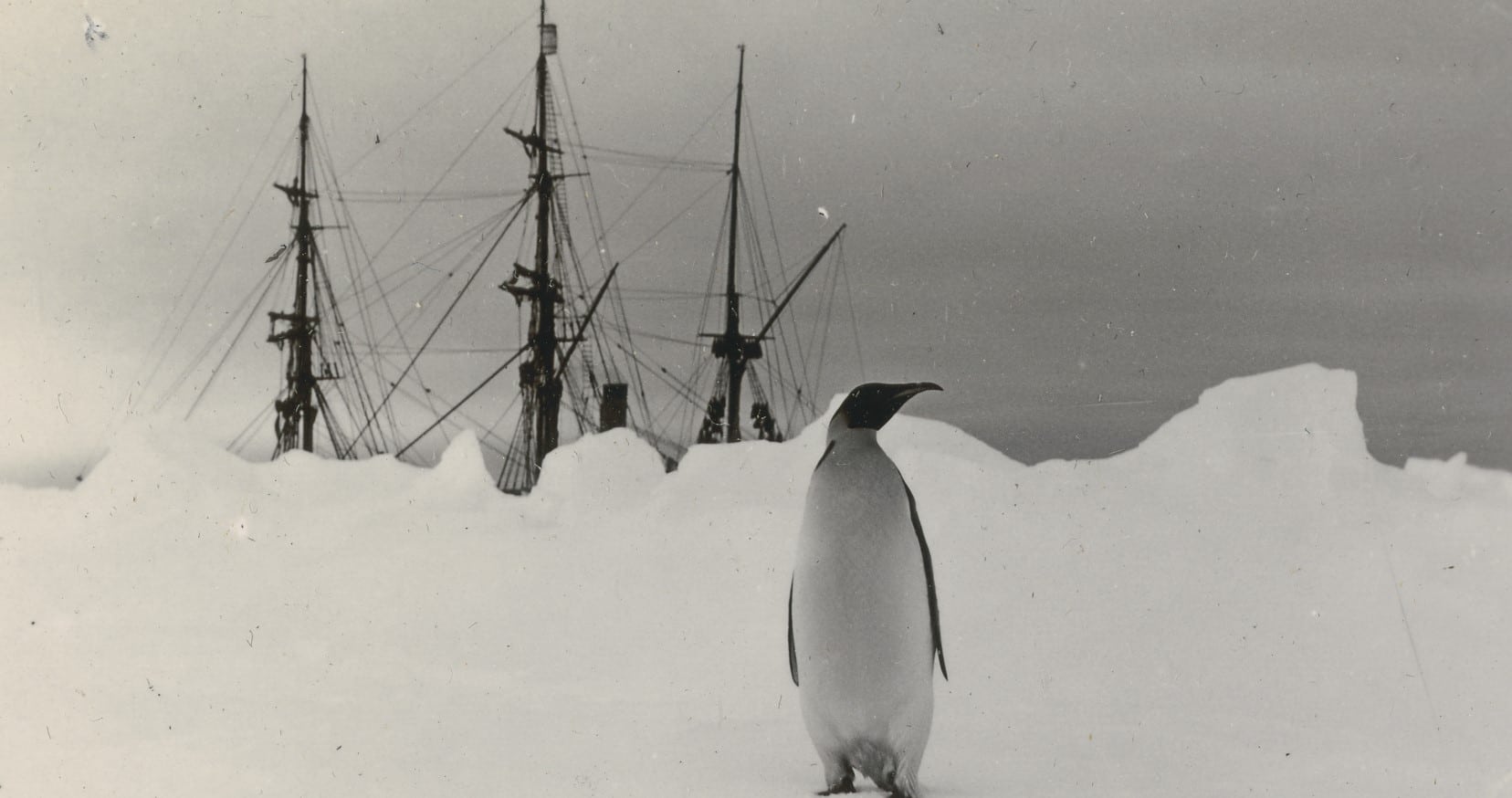
More than 900 photographs from the Discovery Expedition
Among the photographs are emperor penguins, seals, unusual ice formations, and even images captured from a hydrogen balloon used for scientific observations.
Australian records dating back to 1788
The archives also contain more than 50 sets of meteorological observations conducted in Australia and nearby regions, including some of the oldest known records in the country.
The oldest documents date back to 1788, at Port Jackson, the site where the British colony that would give rise to the city of Sydney was established.
The records provide valuable information about the weather conditions observed in the early decades of European colonization of the Australian continent.
A Treasure for Climate Science
According to historian Louisiane Ferlier, the collection documents the birth of modern meteorology as a scientific discipline.
Researchers believe that many of these documents contain instrumental data series older than any other known record in various regions of the world. The information could help scientists reconstruct climatic conditions before industrialization and improve understanding of the evolution of global climate over the past centuries.
The data will be integrated into international initiatives to recover and preserve climate records coordinated by the World Meteorological Organization and by the Copernicus Climate Change Service program, contributing to future investigations into Earth’s climate history.