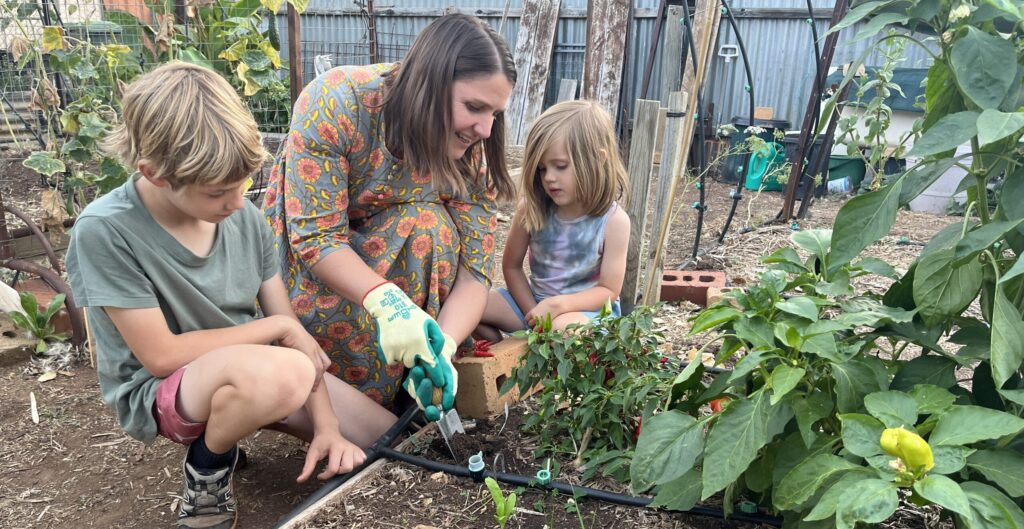
Urban agriculture must be treated as a serious agricultural method to help meet the United Nations’ Sustainable Development Goals for 2030, according to researchers at Flinders University.
Well-managed food production, both on the outskirts of cities and in urbanized areas, is a vital part of building healthy communities—while also improving environmental and social resilience in an increasingly urban world, they say in a review of urban agriculture published in the journal Urban Forestry & Urban Greening.
“Without exaggerating the benefits, urban agriculture clearly has a role to play in achieving food security, urban sustainability and the promotion of environmental management,” says PhD student Hannah Thwaites, the study’s lead author.
“We argue that a more widespread and sustainable urban agriculture can help address fundamental issues such as hunger, urbanization and finite resources, positively supporting people and the planet,” she adds.
The research from Flinders University and the University of Adelaide found that growing food in urban areas can directly help achieve the United Nations’ Sustainable Development Goals for 2030, in particular Zero Hunger (SDG 2), Sustainable Cities and Communities (SDG 11), and Responsible Consumption and Production (SDG 12).
When applied effectively, urban agriculture can also help achieve several targets of nine other SDGs out of the 17 — No Poverty (SDG 1), Good Health and Well-being (SDG 3), Quality Education (SDG 4), Gender Equality (SDG 5), Clean Water and Sanitation (SDG 6), Decent Work and Economic Growth (SDG 8), Reduced Inequalities (SDG 10), Climate Action (SDG 13) and Life on Land (SDG 15).
Urban food production can occur within, around, under and over infrastructure – on private and public lands – for consumption, distribution and sale.
The diversity of forms of urban agriculture – from residential, community and allotment gardens to rooftop farms, school gardens and commercial farms of various scales – seems to amplify its impact and, certainly, its accessibility.
In addition to providing fresh, healthy and affordable foods and opportunities for social connection and skill development, environmental benefits include better resource use and a reduced carbon footprint.
“Urban agriculture reconnects people with their food supply, builds resilient communities, enhances community engagement, and the positive environmental outcomes include mitigating the effects of climate change,” adds soil ecologist Tim Cavagnaro, coauthor of the study.
To avoid advocacy bias, the authors point to potential risks of urban agriculture, such as heavy metal contamination, along with mitigation strategies, such as the use of raised beds and root barriers.
“Ultimately, contextualized and nuanced approaches are essential to achieving the sustainable development goals, and the multidimensionality and diversity of urban agriculture lend themselves to tailored solutions,” says Thwaites, adding that her research is now examining what helps or hinders involvement in this agricultural practice to ensure that its benefits can be experienced by everyone.
“I am encouraged by the abundance of edible garden ventures in Adelaide, including those that help demonstrate how community resilience can be fostered from the home garden,” she concludes.