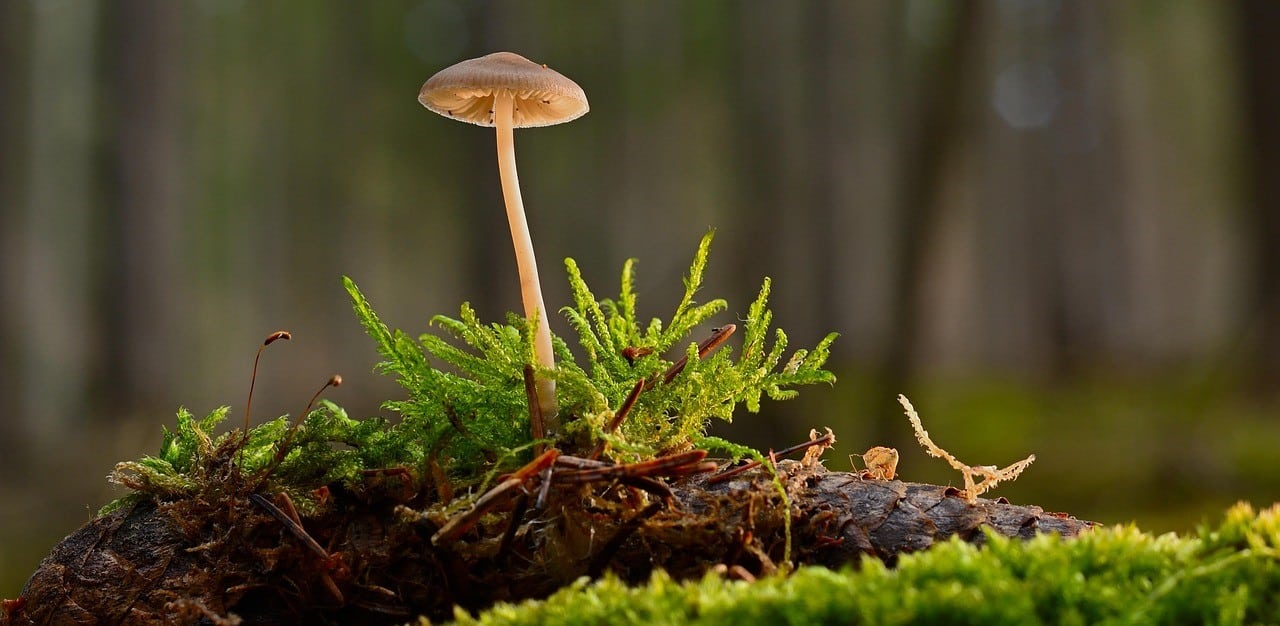
Previous studies have shown that psilocybin, the psychoactive compound found in magic mushrooms, yields fairly positive results in treating depression, but a new Scandinavian investigation suggests that the control groups in these trials may not have been managed as well as those in similar trials for other antidepressants, which could have distorted the results for the mushrooms.
The team compared the outcomes of the control groups — those who did not receive the drug under test — from trials of psilocybin, selective serotonin reuptake inhibitors (SSRIs) or esketamine.
They found that the participants in the psilocybin trial’s control group showed a significantly smaller improvement in their depression ratings than the control groups in the other trials.
The authors suggest that this may mean that the antidepressant efficacy of psilocybin was overestimated in comparison with that of SSRIs and esketamine.