
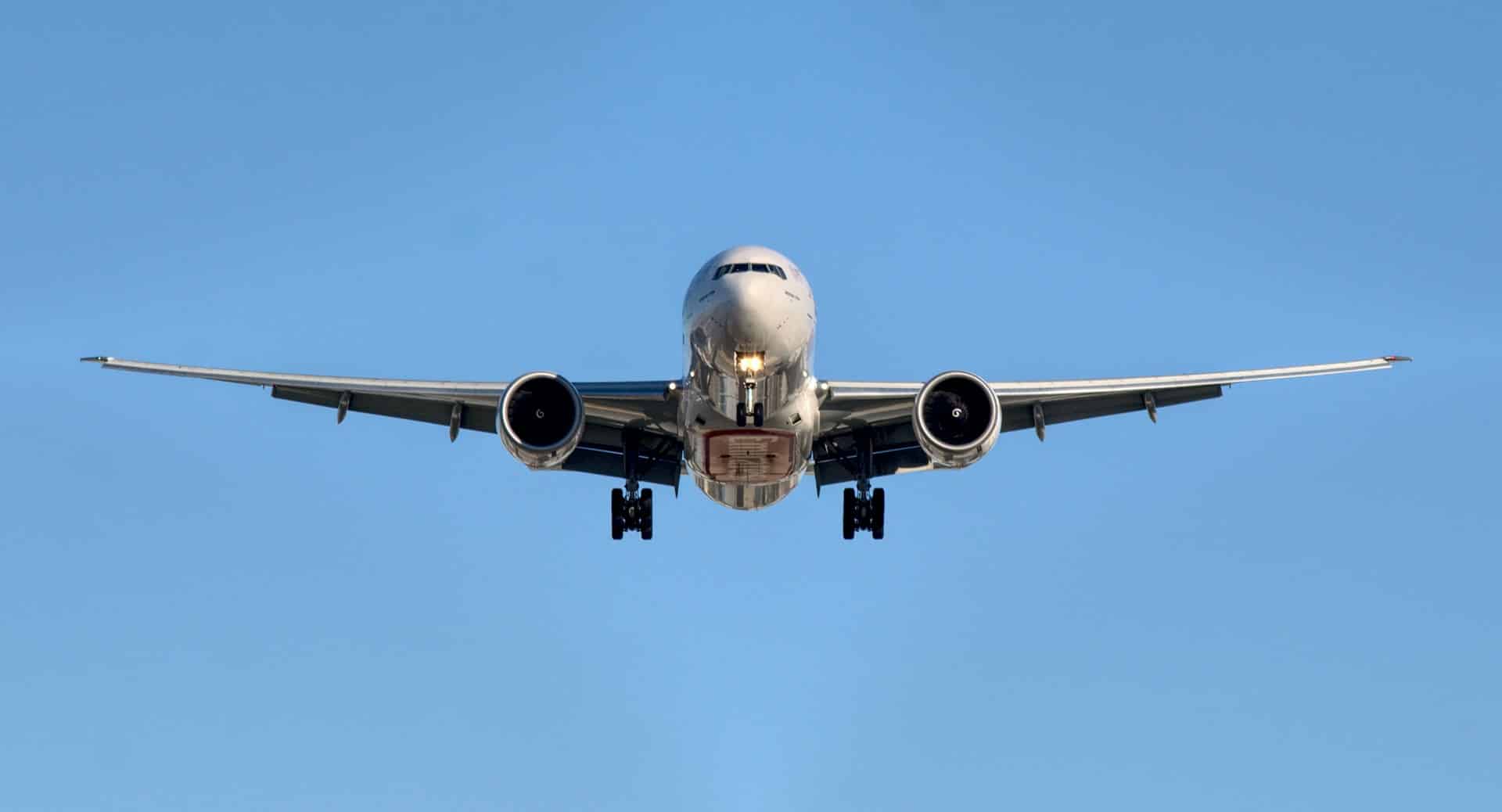
The Portuguese economy is among the most exposed in Europe to a potential disruption of the summer tourism season caused by constraints in the aviation fuel supply.
The alert is issued in KPMG’s report “European Economic Outlook,” in which the economic impacts of the current instability in the Strait of Hormuz are analyzed. The analysis foresees a new energy shock for Europe, with potential effects on inflation, consumption, supply chains, and sectors most dependent on international mobility, such as tourism.
Although growth of 2% for the Portuguese economy in 2026 is forecast, above the Eurozone average of 0.9%, Portugal appears among the countries most vulnerable to constraints in aviation fuel supply. This could result in a reduction of flights, in cancellations, or in declines in tourist bookings.
The report stresses that a “sustained disruption” in air mobility, whether through reduced flight availability or because more tourists opt for holidays closer to home, could “penalize export revenues from services and remove dynamism from one of the main engines of economic resilience in countries such as Portugal.”
“Tourism has been one of the pillars of Portugal’s economic resilience in recent years and continues to be a relevant competitive advantage for the country,” Miguel Afonso, Partner and Head of Clients & Markets at KPMG Portugal, says in a note.
However, he warns that “this strength also creates increased exposure to external shocks that affect international mobility, energy costs, or consumer confidence.”
“The potential pressure on aviation fuel should, therefore, be monitored closely, not only for the direct impact on the tourism sector, but also for the indirect effects it could have on consumption, employment, external revenues and business confidence,” he adds.
KPMG clarifies that the current energy crisis presents “significant differences” compared with 2022, which was marked mainly by Europe’s dependence on Russian gas. The ongoing disruption has “a more global nature,” the consultancy notes, and may reflect a broader set of commodities, “with potential effects on supply chains and on several sectors of the economy.”
“Europe’s direct exposure to gas linked to the Strait of Hormuz is more limited, which reduces the risk of a physical shortage similar to what was recorded in 2022, but the impact on global energy prices and on critical raw materials could be more widespread,” explains KPMG.
Among the products potentially affected are crude oil, liquefied natural gas, aluminum, helium, ammonia and fertilizers. Analysts warn that many of these goods are essential for strategic industrial sectors and that short-term substitution possibilities are limited.
KPMG acknowledges that the recent announcement of an agreement between the United States and Iran, which includes the reopening of the Strait of Hormuz, “could mitigate some of the risks associated with global energy markets identified in this analysis.”
Still, it warns that “the realization of these effects will depend on the implementation of the agreement and the evolution of geopolitical and trade conditions in the region.”





