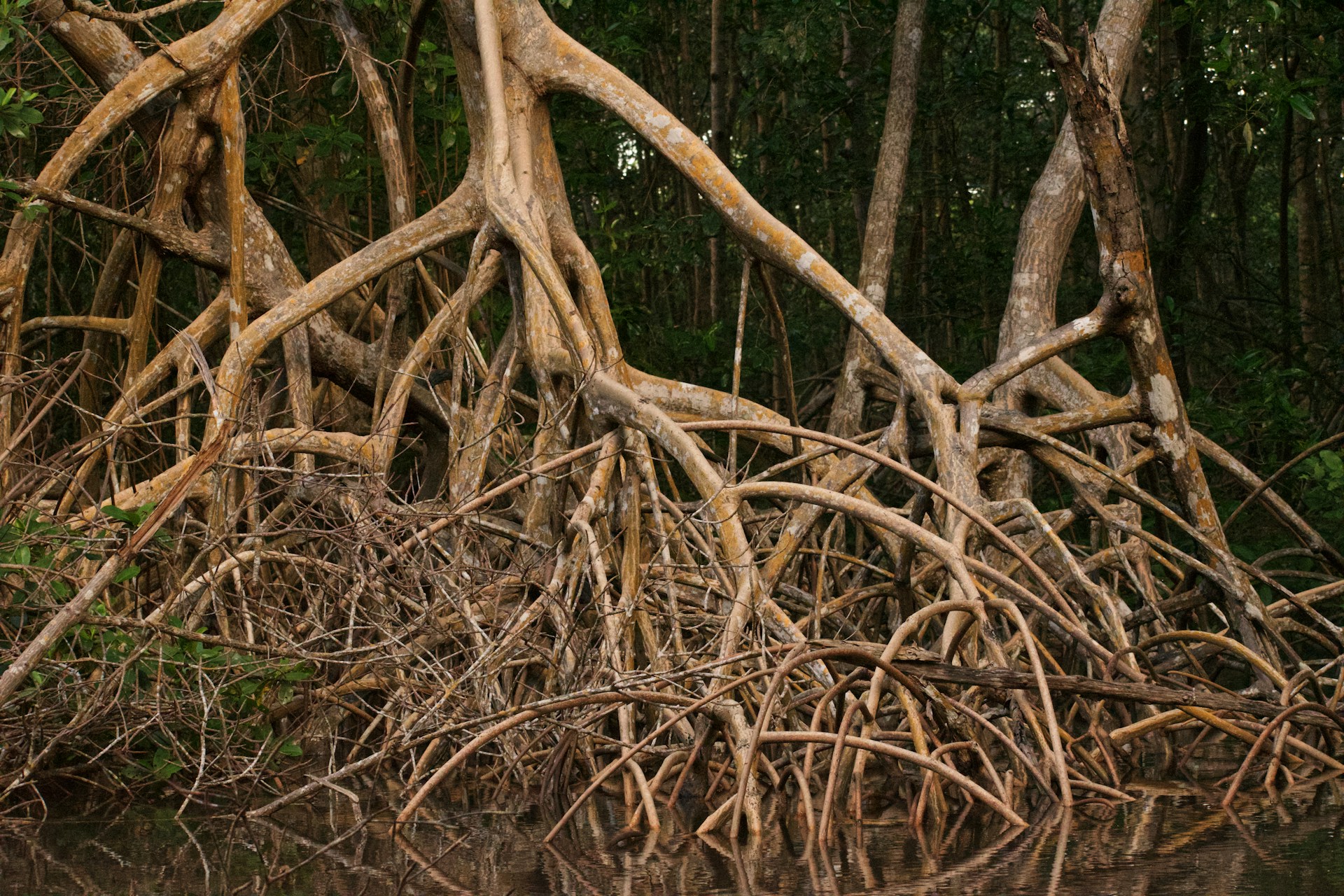
Mozambique lost about five thousand hectares of mangroves in 2024, one of the highest levels recorded in recent years, mainly due to the impact of climatic events, specialists announced today during a conference on environmental monitoring in Maputo.
The data were presented at the Technical Conference on Monitoring, Reporting and Verification (MRV) and Implementation of the National System for Data Management on Mangroves and Seagrasses, which is taking place in Maputo until Friday, bringing together national experts and cooperation partners.
“The highest peak of mangrove loss occurred first in 2019 and the latest in 2024,” said Hercílio Odorico, a member of the Monitoring, Reporting and Verification Unit during the presentation of data on ten years of monitoring deforestation in Mozambique, adding that the degradation of these ecosystems continues to require more effective protection and management measures.
According to the forestry engineer, an analysis of mangrove ecosystems identified, in 2024, one of the highest levels of loss observed in recent years, in a trend associated with the increasing frequency and intensity of climatic phenomena.
The data also indicate that the Niassa Province, in northern Mozambique, and Zambezia and Manica in the center of the country, were the greatest contributors to the loss of forest cover in the last ten years, reflecting a growing pressure on natural resources and the need for targeted interventions in the most affected areas.
According to the specialist, the monitoring also enabled identifying a gradual expansion of deforested areas to the north of the country, as well as locating the districts with the highest incidence of forest loss, providing detailed information to support decisions by local and national authorities.
The Monitoring, Reporting and Verification Unit uses satellite images and methodologies validated internationally to track the evolution of deforestation, currently possessing historical data that allow identifying where, when and why vegetation cover loss occurs in Mozambique.
The coordinator of the Monitoring, Reporting and Verification Unit, Aristides Muhate, argued that the production of scientific data is fundamental to support public policies, guide investments and reinforce the country’s capacity to respond to the challenges of climate change.
“We want to bring solutions to address the challenge of climate vulnerability (…), the data should help decision-makers know where to invest, where investments face fewer risks of being affected by climate actions and where they will have less impact on natural ecosystems,” Muhate told Lusa.
The official noted that Mozambique has about 2,700 kilometres of coastline, whose protection must be reconciled with the country’s economic development objectives, advocating sustainable management of natural resources based on credible and up-to-date information.
Muhate warned that climate events are becoming “increasingly intense and frequent,” increasing the impacts on communities and the costs associated with responding to floods, inundations and other natural disasters.
“It is important and essential that we invest in these technologies, because they will help us solve problems, decide where to restore ecosystems, conserve key areas for biodiversity and promote economic activities with lower environmental impact,” he stated.
During the conference, the specialists argued for strengthening the use of Earth observation technologies, artificial intelligence and the integration of different databases to improve environmental monitoring and support strategies for conservation, climate adaptation and sustainable development.