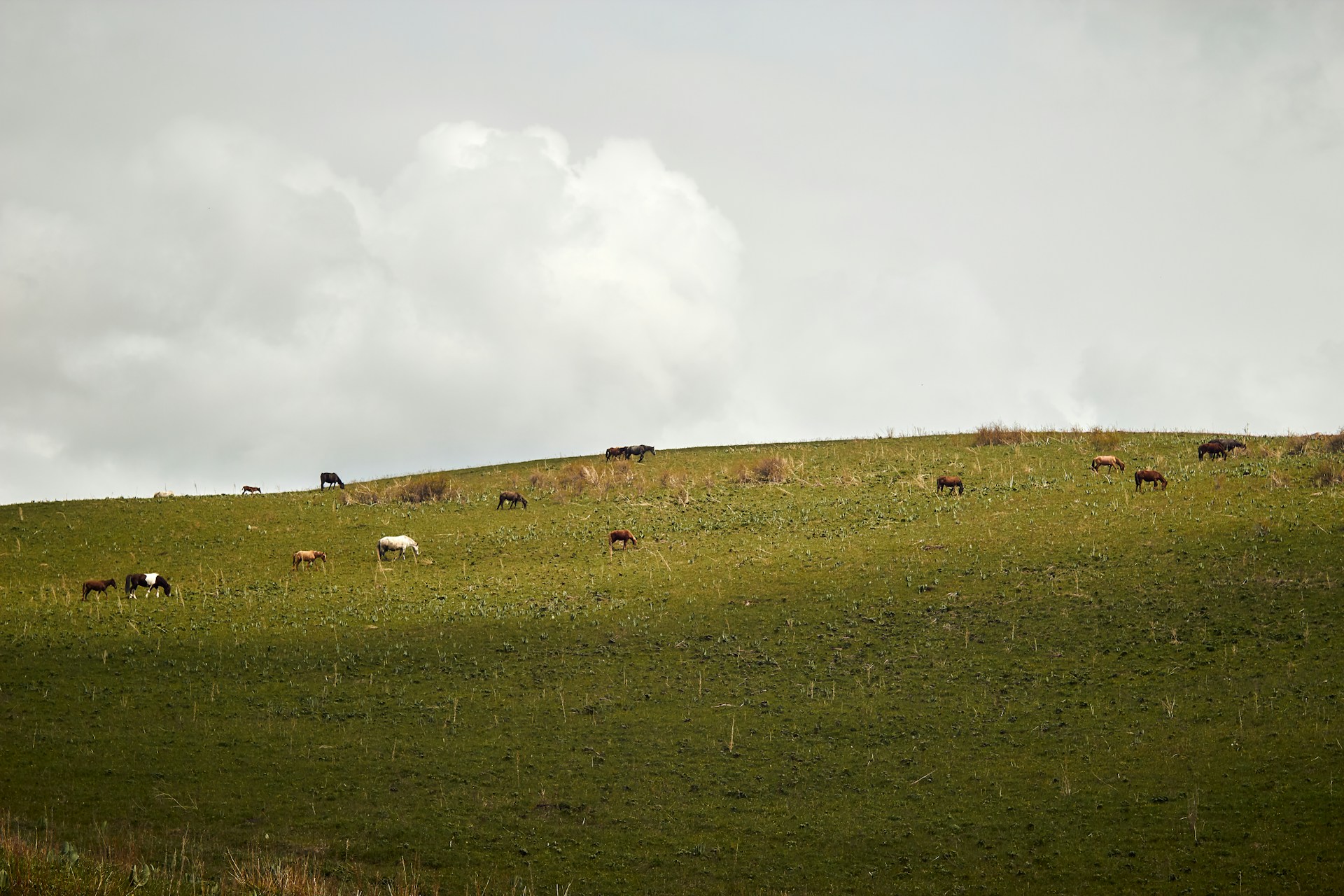
Climate change and unsustainable land use are placing increasing pressure on the world’s pastures, with half already degraded, and threatening food systems, water security, biodiversity, and the livelihoods of communities.
The warning was issued today in a statement by the United Nations Convention to Combat Desertification (UNCCD), on World Day to Combat Desertification and Drought, whose celebrations are taking place in Kenya with the theme of pastures as the backdrop.
UNCCD notes that scientists warn that rising temperatures and worsening drought conditions are increasing pressure on pastures, which cover more than half of the Earth’s land surface, support about two billion people, and provide nearly 70% of the feed for global livestock.
As drought intensifies and affects more people, governments, scientists and local communities are calling for urgent action to protect and restore pastures and to support those who care for them and rely on them.
In a message marking the day, the UN Secretary-General, António Guterres, recalled that 2026 is also the International Year of Rangelands and Pastoralists, an opportunity to support pastoralists and Indigenous peoples “whose traditional knowledge can help safeguard these ecosystems”.
“To protect our future, we must protect the land,” he stressed.
Under the theme “Pastures: Recognize. Respect. Restore”, World Day focused on the growing importance of sustainable grazing, drought resilience and ecosystem restoration.
The UN notes in the statement that despite the pressures there are solutions to improve the situation, such as rotational grazing or silvopastoral systems, Indigenous knowledge and community management, which can restore degraded lands.
Healthy pastures are typically more resilient to drought.
Pastures and herders will be a focus at the 17th UNCCD conference (COP17), which takes place this year in Ulaanbaatar, the capital of Mongolia, from 17 to 28 August.
The World Day to Combat Desertification and Drought was proclaimed by the United Nations General Assembly in 1994.