Carbon markets, particularly voluntary ones, have been the subject of increasing public attention, with the launch of the Portuguese market, the announcement of the European market, and the consolidation of the Spanish market alongside private initiatives on a global scale.
At a moment when the rapid circulation of information raises questions about these mechanisms, which continue to be below the level of development desired in Europe, the Instituto Superior de Agronomia, ADENE – Agência para a Energia, the Agência para o Clima and Mota-Engil ATIV promoted the conference “The Iberian Forest and the Voluntary Carbon Markets”, held at the Instituto Superior de Agronomia, in Lisbon, within the scope of EU Green Week 2026.
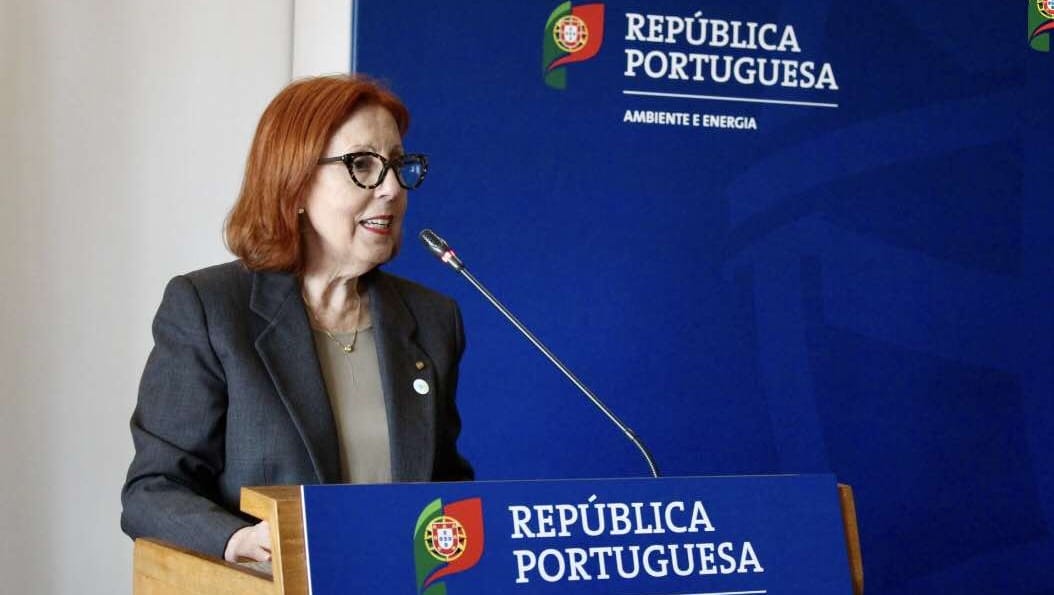
In the opening session of the event, the Minister of Environment and Energy, Maria da Graça Carvalho, highlighted, cited in a press release, that progress is underway in the operationalization of the Voluntary Carbon Market in Portugal, stressing that the expansion of the methodological framework to new types of forest projects is in development, namely “Reforestation” and “Enhanced Forest Management”, with its approval imminent.
Assuming the forest as a Government priority, the official noted that there are, however, several challenges to address in the immediate future: “In the forest sector, and with three dedicated methodologies, it is important to spur the emergence of good projects, which contribute to the sustainability of forest management, but also to the reduction of risks and the valorization of the territories, taking as a starting point the sequestration of carbon and the sale of the respective credits. It is, however, essential to manage expectations properly, to make fundamental rules such as additionality understood, to recognize the great technical complexity inherent to markets and methodologies, and to acknowledge that we must have a long-term investment logic so that the results are achievable.”