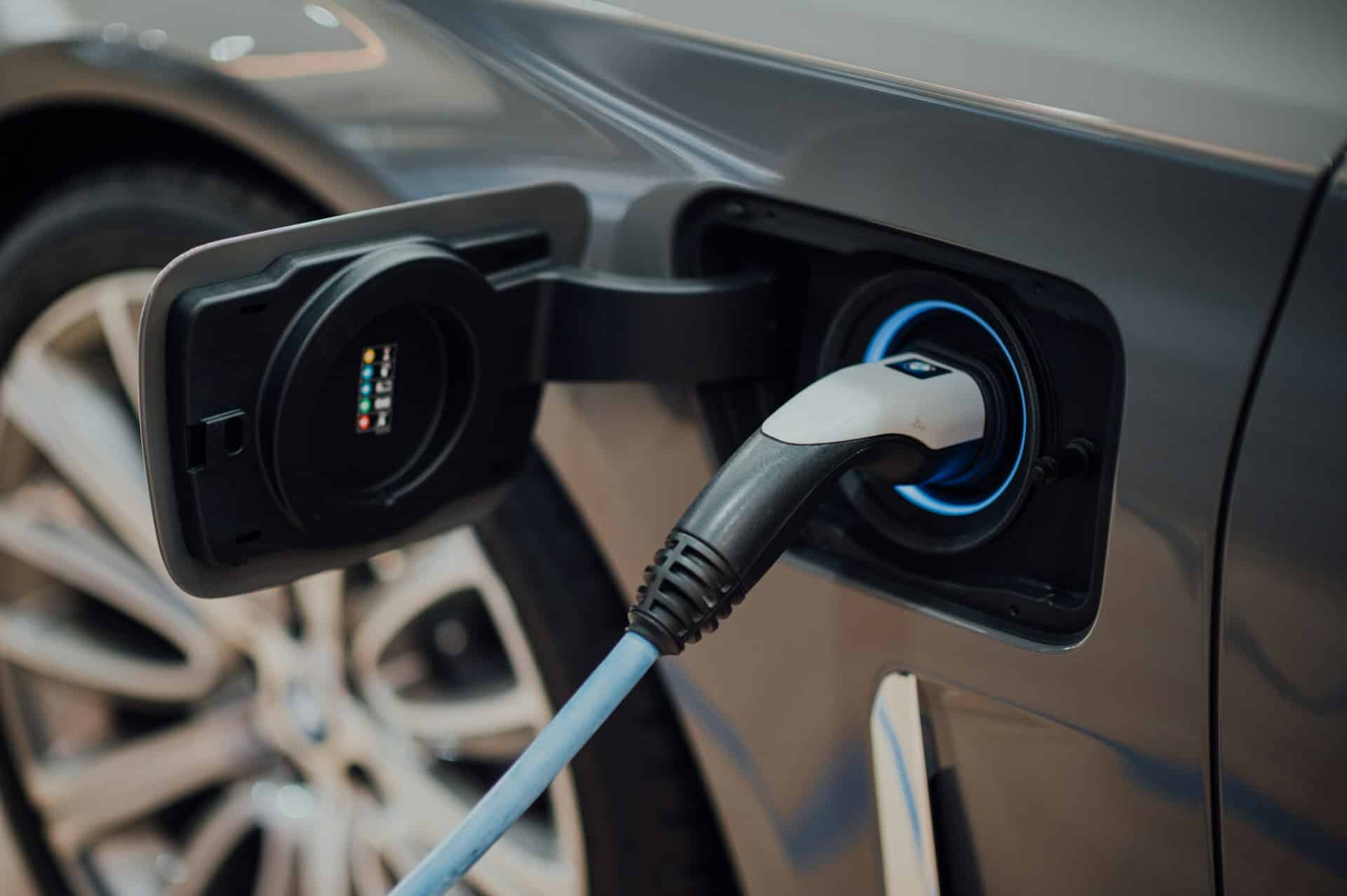
The electrification of mobility within Portuguese companies is no longer merely a trend and is now consolidating as a way to address the challenges of the energy transition and to control costs.
The conclusion comes from the latest “Automotive and Mobility Barometer 2026,” promoted by the Arval Mobility Observatory, which reveals that 52% of companies in the country already have at least one electric passenger car in their fleets. It is estimated that over the next three years, electric vehicles will represent on average 22% of Portuguese companies’ fleets.
Regarding infrastructure, the survey, in which Portugal involved 304 companies, from micro to large, from diverse sectors, shows that 85% of companies have policies that already consider or will consider charging vehicles at their own facilities.
As for at-home charging by drivers (a practice adopted or planned by about a fifth of the companies), the wallbox stands out as the equipment preferred by 68% of these organizations.
In addition to the energy transition of vehicles, alternative mobility also seems to be gaining ground.
According to this barometer, 53% of Portuguese companies have already implemented at least one alternative mobility solution to the car.
“A notable evolution,” highlights Arval, is the creation of corporate mobility plans. The data show that 22% of companies already have a plan for home-to-work travel. Of these, 22% apply the plan to all employees and 33% direct it specifically to those who do not have a company car, “demonstrating a more transversal view of mobility.”
The main motivations for implementing these policies go far beyond the fleet: 39% of companies justify them with their Corporate Social Responsibility policy, 38% with the improvement of the company’s image and attractiveness, and 36% to address Human Resources needs, such as retention and recruitment of talent. In the environmental field, 40% of companies have already defined or are evaluating fleet decarbonization objectives.
The 2026 Barometer also demonstrates “the resilience of the business fabric,” notes Arval. This is because 88% of national companies believe that their fleet will grow or maintain its size over the next three years.
However, mitigating the rise in financial costs is identified as one of the major challenges in management.
To counter this obstacle, Portuguese companies are taking concrete actions. About 44% already resort to specialized support to find efficiency solutions.
In fleet renewal, renting continues to gain momentum, being the option chosen by 37% of managers. Furthermore, in a strategy aligned with the European market, 44% of companies already include used vehicles in their acquisitions or leases, and 42% consider maintaining this practice in the next three years.