Only about 10% of the foods most consumed by Portuguese people aged between three and 17 are simultaneously nutritious, have lower environmental impacts, and are affordable.
The conclusion comes from a study published in the journal ‘Critical Reviews in Food Science and Nutrition‘, led by the Faculty of Nutrition and Food Sciences and the Public Health Institute, University of Porto, both of the University of Porto.
The objective was to understand which foods are, simultaneously, sustainable and best accepted by children and youths. The study was based on information collected from 521 children and 633 adolescents within the National Diet and Physical Activity Survey. These data allowed identifying the most consumed foods and evaluating their sustainability based on nutritional, environmental, and economic indicators.
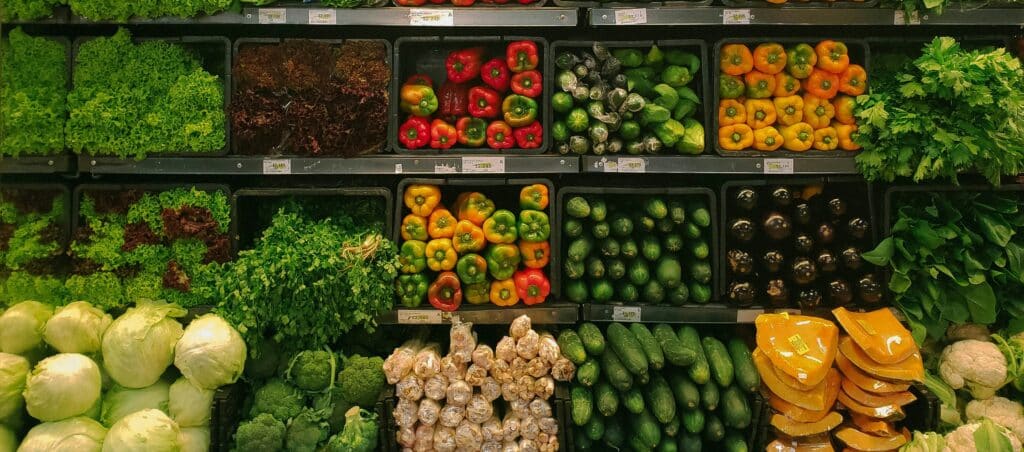
The results show that only a restricted set of foods meets the criteria that the researchers say are essential for a healthy diet. Fresh and processed vegetables, fresh fruit and canned fruit, legumes, pasta, rice, tubers, natural juices and nectars are foods considered to have high nutritional density, low environmental impact and, on average, lower costs. However, the research shows that they represent only about one tenth of the usual dietary choices of Portuguese children and adolescents.
The research team explains that, often, foods with higher nutritional quality tend to be those with higher greenhouse gas emissions and higher costs.
Animal-origin products, such as meat, fish and eggs, are an example of this, the researchers point out: although they provide important nutrients for growth, they are also responsible for greater land use and a higher carbon footprint.
In contrast, ultra-processed foods exhibit poorer nutritional quality, although some may be more affordable economically.
For the study authors, these results show that there is a need to rethink food policies and health promotion strategies aimed at young people. In this sense, they argue that the creation of sustainable dietary guidelines must consider the balance between health, environment, cost and cultural preferences. Otherwise, these recommendations will be difficult to implement in practice.
“Policies to promote more sustainable agricultural production and measures that ease economic access to fruits, vegetables and legumes can also play a decisive role in changing behaviours,” stresses the study’s lead author.
Considered by its authors to be the first in Portugal to simultaneously integrate nutritional, environmental, economic and sociocultural dimensions in the analysis of the dietary choices of children and adolescents, this research opens the way for future revision of the national dietary guidelines, incorporating more precise suggestions about the most sustainable options within each food group.