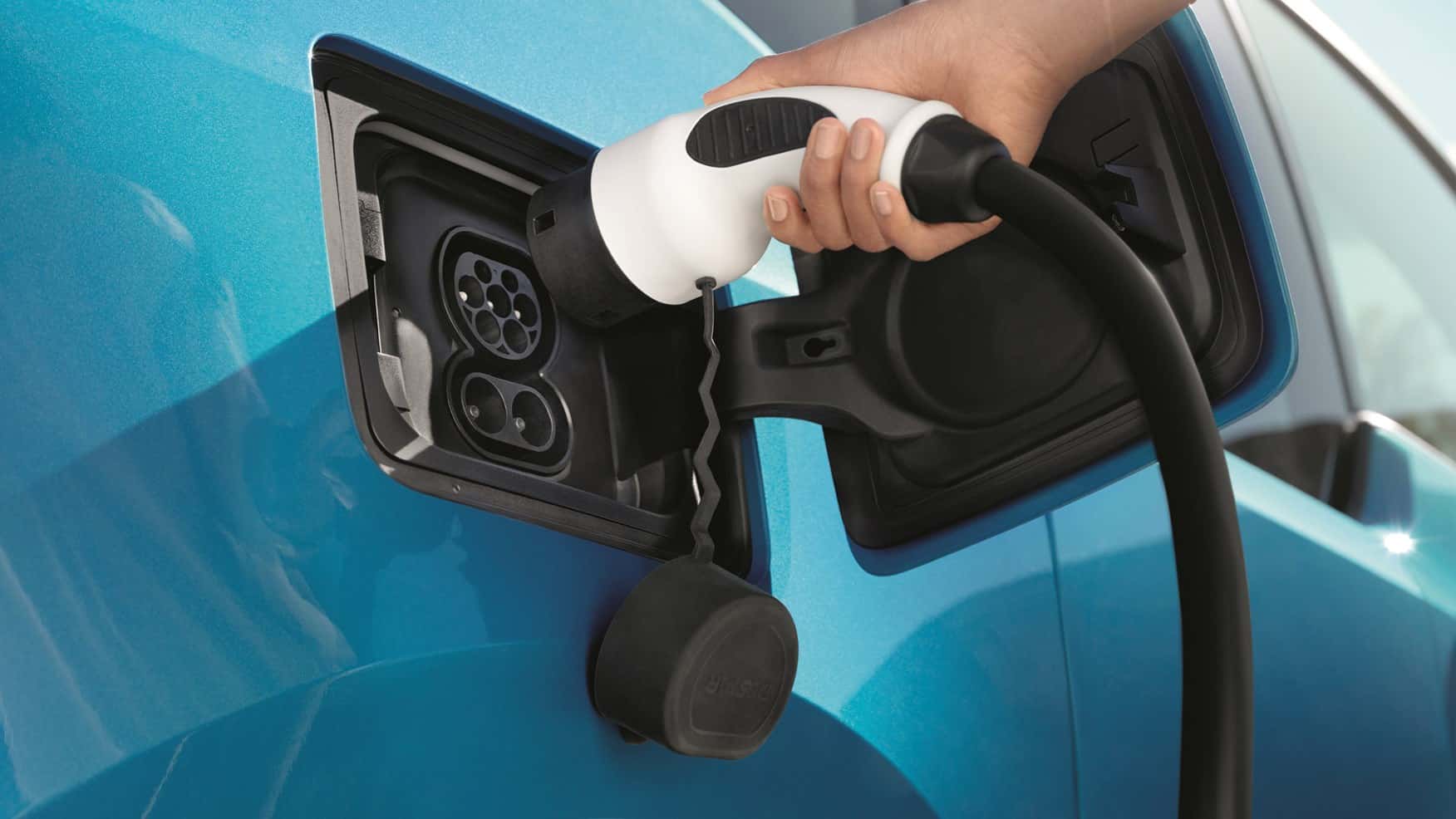
Whoever is going to take summer holidays by electric car can significantly reduce travel costs with a simple measure: charging the battery at home before departure. The conclusion comes from Selectra, which estimates that this option can represent savings of more than 50% compared to the predominant use of fast chargers along the journey.
With thousands of Portuguese people preparing to travel from north to south of the country during the summer months, the car remains the transportation method chosen by many families. In the case of electric vehicles, planning the charging can have a meaningful impact on the holiday budget.
According to Selectra’s calculations, a trip of about 500 kilometres, such as between Porto and the Algarve, could cost between €15 and €18 when the vehicle is charged at home before departure. Drivers who rely mainly on fast chargers along the route could spend between €32 and €40.
In comparison, the same journey undertaken in a petrol car can be around €59, depending on the vehicle’s consumption and the price of fuels.
“The biggest savings factor on an electric car trip does not depend only on the vehicle, but also on the charging planning. Starting the trip with the battery charged at home helps reduce costs, increase the available autonomy, and decrease the need to rely on fast chargers during the journey,” say experts from Selectra Portugal.
Charging at home remains the most economical option
Despite the higher initial investment associated with buying an electric vehicle, the operating costs remain one of the main advantages of this technology.
According to Selectra’s analysis, considering an average consumption between 16 and 18 kWh per 100 kilometres and a domestic electricity price between €0.18 and €0.21 per kWh, traveling 100 kilometres can cost only between €3 and €4.
On the other hand, a petrol car with an average consumption of 6.5 litres per 100 kilometres and a fuel price near €1.80 per litre could spend about €12 to travel the same distance.
In practice, this means that the energy cost of an electric vehicle charged at home can be three to four times lower than that of a conventional car.
Convenience comes at a price
Although fast and ultra-fast chargers are a practical solution during long trips, convenience comes with an added cost.
While home charging allows benefiting from lower tariffs — especially during off-peak periods, when electricity can cost between €0.10 and €0.15 per kWh — fast charging stations typically have considerably higher prices.
For a 60 kWh battery, a full charge at home could cost between €11 and €15. At a fast charger, the amount could exceed €30, depending on the operator and tariff conditions.
Five recommendations to save during the holidays
To reduce the costs of summer travel, Selectra advises electric-vehicle drivers to:
- Fully charge the battery before starting the journey;
- Schedule charging for off-peak periods whenever possible;
- Plan ahead the charging points along the route;
- Use fast chargers only when necessary;
- Adopt efficient driving, avoiding abrupt accelerations and excessive speeds.
In addition to the direct savings, these measures can help increase the vehicle’s range and make the trip more comfortable.
As electric mobility gains traction in Portugal, planning remains one of the main allies for drivers to maximize the economic advantages of electric vehicles, especially during periods of higher road usage.