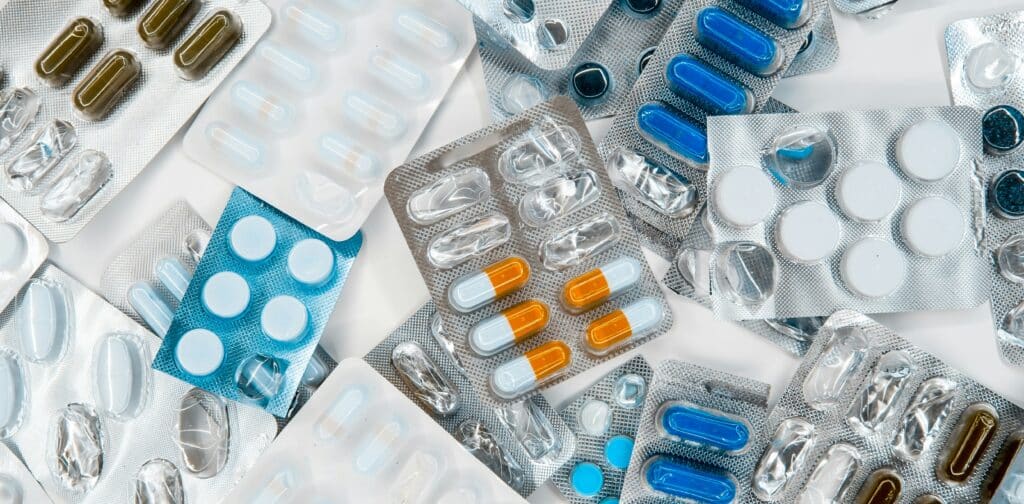
Portugueses entregaram 1.398,9 toneladas de medicamentos fora de uso e respetivas embalagens em 2025, mas 3,46% do que no ano anterior, segundo o relatório anual da VALORMED. Deste total, 94,4% foram recolhidos através das farmácias comunitárias e locais de venda de medicamentos não sujeitos a receita médica, confirmando a importância da rede farmacêutica como principal ponto de proximidade para a correta gestão destes resíduos.
The volume collected corresponds, on average, to about 3.8 tonnes of waste per day. Over the year, 367,190 containers were directed to sorting, approximately one thousand per day, originating from SIGREM – the Integrated System for the Management of Packaging and Medicine Waste.
No final de 2025, o sistema contava com 3.294 pontos de retoma ativos, assegurando uma cobertura nacional para a devolução de medicamentos fora de uso e respetivas embalagens.
“Os cidadãos estão cada vez mais conscientes da importância de devolver os medicamentos fora de uso nas farmácias, um gesto simples que evita que estes resíduos sejam colocados no lixo doméstico ou despejados através do esgoto”, afirma Luís Figueiredo, diretor-geral da VALORMED, citado em comunicado.
According to the official, delivering at take-back points ensures that the waste is routed to proper treatment, reducing the environmental impact associated.
Em termos de desempenho, a taxa de recolha de embalagens atingiu 15,91% no subsistema das farmácias comunitárias e locais de venda de medicamentos não sujeitos a receita médica, enquanto no subsistema veterinário se fixou nos 30%.
More than 1,200 tonnes treated
During 2025, VALORMED ensured the treatment of more than 1,276 tonnes of waste. Of this total, 480 tonnes were directed to recycling of paper, cardboard, plastic and glass. The residues of medicines and other pharmaceutical waste were sent for safe destruction.
Recycling allowed the recovery of more than 335 tonnes of paper and cardboard, 119 tonnes of glass and 25 tonnes of plastic, contributing to the reintegration of these materials into the circular economy.
The system also recorded a reduction of more than 53% in waste improperly deposited in VALORMED containers, which were outside the scope of the system, a result the entity attributes to awareness-raising actions developed with the population.
A survey conducted by Intercampus among 870 citizens, within the Dia ECOMED initiative, revealed that 48.3% of respondents say they already deliver unused medicines at a VALORMED collection point.
More participating companies
Despite its status as a non-profit entity, VALORMED also recorded growth in company participation in SIGREM. In 2025 new pharmaceutical companies joined, bringing the number of participating packagers to 189, responsible for declaring about 345 million packaging units placed on the market, up 2.83% from the previous year.
Also increased the number of participating locations for the collection of unused medicines, notably among local outlets selling non-prescription medicines.
VALORMED highlights the collaboration between the pharmaceutical industry, distribution and collection points as one of the factors that have allowed improving the prevention, collection and recycling of these wastes.
“This collaboration enables concrete results in prevention, collection and recycling, reaffirming that sustainability is an essential component of the pharmaceutical sector, even with challenges still to overcome,” emphasizes Luís Figueiredo.
Awareness for health and the environment
Awareness and environmental education were also strengthened during the year, with the launch of a new national campaign, the creation of the Escolas de Valor initiative and the development of the podcast Conversas de Valor, dedicated to topics related to health and sustainability.
VALORMED also promoted in-person actions, among which Dia ECOMED, and recorded growth on digital platforms.
Throughout 2025, 229 pedagogical actions were supported, 18.7% more than in the previous year, reinforcing the entity’s commitment to environmental literacy and to raising awareness about the proper destination of unused medicines.