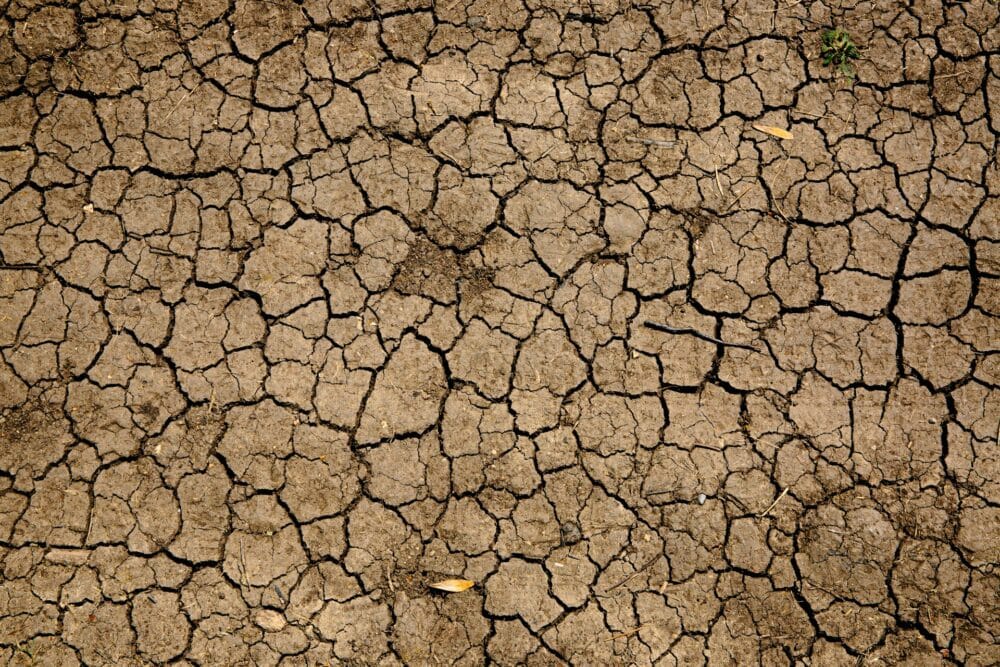
The European Commission’s Joint Research Centre regards that an El Niño episode in 2026-2027 is “virtually certain” and warns of impacts on climate and food prices.
The Joint Research Centre (JRC in the original acronym, “Joint Research Centre”) warns that El Niño (warming of the waters in the Pacific Ocean) could reach an unprecedented intensity, with impacts also on population movements and humanitarian risks.
These are the conclusions of the report published this Monday by the European Commission’s scientific service, which analyzes in advance the potential effects of the phenomenon, based on seasonal forecasts fed by the Copernicus Climate Change Service.
“The occurrence of El Niño in 2026-2027 is virtually certain,” the analysis states, adding that it is also expected to reach an intensity “very high,” with a “high probability” of becoming a “very strong” event and even of surpassing historical precedents.
El Niño is a natural climatic phenomenon that occurs regularly (an interval of three to seven years on average) due to the anomalous warming of a large area of the tropical Pacific and can alter rainfall, temperature, drought, and storm patterns in different regions of the planet.
“El Niño presents complex risks in multiple dimensions, uneven in its geography, but interconnected in its consequences,” warns the JRC, which lists extreme heat, drought, floods, food insecurity and the exposure of vulnerable populations among its main effects.
The report emphasizes that these impacts will occur in a context already marked by global warming, conflicts, displacements, fragile supply chains and high prices for energy and fertilizers.
According to the JRC, the difference between a strong event and an unprecedented intensity “is not merely meteorological,” but can translate directly into “hundreds of millions of additional people at risk.”
European scientists foresee that extreme heat will intensify in the tropics and subtropics from September, reach a peak between December 2026 and February 2027, and persist until spring.
The analysis identifies Sub-Saharan Africa, the South and Southeast Asia, Australia and large parts of the Americas as particularly vulnerable areas.
The JRC also points to an increased risk of drought across large parts of Australia, Southeast Asia, Southern Africa, Central America, the Sahel and the Indian subcontinent, while other regions, such as East Africa, Central Asia and parts of the Americas, could experience above-average rainfall.
In Europe, the report indicates that an especially intense episode could alter the usual pattern and lead to above-average temperatures, with warming intensifying across Eurasia through spring 2027.
In terms of food, the JRC identifies hard wheat as one of the most vulnerable commodities, with potential price increases, while the impact on other crops, such as maize, rice, soy or winter wheat, will depend on the final intensity of the phenomenon and the affected producing regions.
The report also states that climate-related migration is essentially “internal and short-distance” and adds that droughts cause more gradual and less visible displacements than floods or storms.
The European Commission’s Joint Research Centre emphasizes that the predictability of El Niño offers “a real opportunity” to anticipate measures, mobilize financing, strengthen early warning systems and prepare responses.