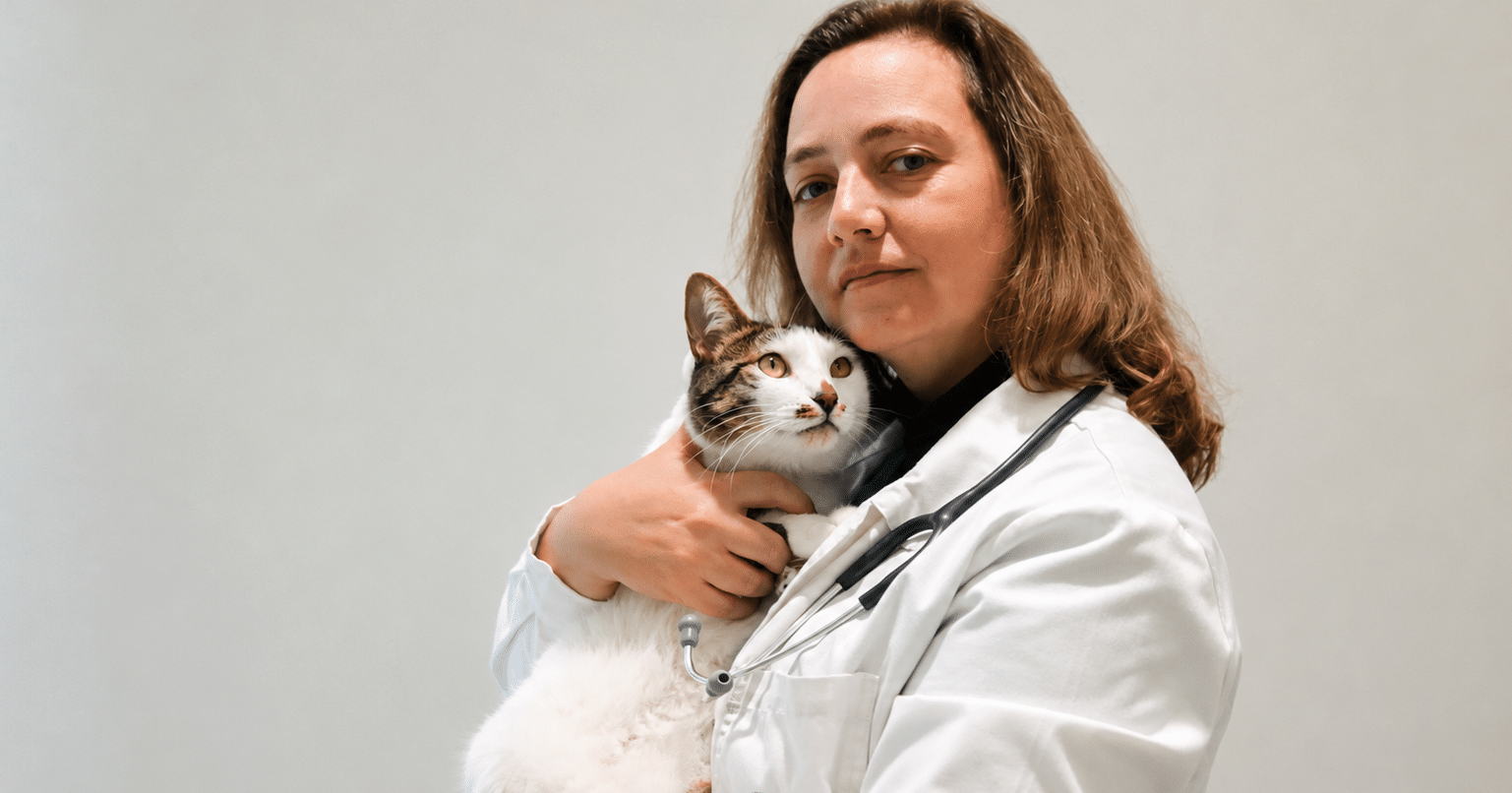
If you have a white cat or a light-colored coat, be aware that your furry friend faces an elevated risk of developing, just as humans do, sunburn and skin cancer. Prolonged sun exposure, especially during this time of summer, can be dangerous and lead to serious pathologies. Learn about the main risks, the parts of the body most affected, and, above all, what you can do to protect your four-legged companion from these dangers.
“Cats are often associated with long naps in the sun, but this scenario, which seems tranquil, natural, and an apparently harmless behavior, carries real and often undervalued risk, especially in cats with white or light fur. These animals have a specific vulnerability to ultraviolet radiation, with direct implications for the health of their skin,” says Fernanda Barradas, a veterinary physician at ZU, quoted in a press release.
The main explanation, she adds, “resides in melanin, the pigment responsible for the color of the skin and fur, and which, beyond its aesthetic function, acts as a ‘barrier’ against the harmful effects of ultraviolet radiation. And white or light-colored cats produce less melanin, which reduces this natural protection.” As a result, the veterinarian warns, “solar radiation penetrates more easily into skin cells, causing DNA damage. This mechanism is similar to what happens in humans with fair skin, who also have a higher risk of sunburn and skin cancer.”
Fernanda Barradas identifies three major consequences of prolonged sun exposure in these felines:
- Sunburn with erythema (redness), pain, and skin peeling.
- Actinic dermatitis – a persistent inflammation of the skin caused by repeated exposure to ultraviolet rays.
- Neoplastic transformation – over time, accumulated damage can lead to the development of squamous cell carcinoma, one of the most common skin tumors in cats and with dire consequences if not detected early.
The veterinary doctor warns that “this process is cumulative, or in other words, small repeated assaults over months or years can result in serious disease, even without obvious initial signs.”
Body parts most affected
“Lesions arise mainly in areas with less fur and little pigmentation, where natural protection is even more reduced.” Fernanda Barradas details the most vulnerable zones:
- Tips of the ears (auricular pavilion)
- Nose (nasal plane)
- Eyelids and lips
Indoor cats also at risk
“Even indoor cats can be at risk, since ultraviolet radiation can pass through window glass, causing skin damage over time,” warns the specialist.
Be vigilant for these signs
The early signs are often subtle, says the veterinarian, “and they can be mistaken for minor wounds such as, for example, reddened or irritated areas, crusts or persistent flaking, small wounds that seem to heal but reappear, and localized hair loss.”
For Fernanda Barradas, “these signs can then progress to ulcers, bleeding, and pain, and the lesions become deeper and more invasive. The risk is not the sun itself, but prolonged and unprotected exposure, which can turn small seemingly harmless lesions into serious health problems.”
Protect in 4 steps
Prevention is the most effective strategy and is based on reducing sun exposure, so the veterinarian’s recommendation is to follow these steps:
- Avoid exposure during peak hours (10 a.m.–4 p.m.).
- Provide shaded areas;
- Use sunscreens formulated for animals;
- Monitor the skin and, at any change, seek a veterinary consultation.
“Early veterinary assessment is crucial. When diagnosed early, carcinoma can have a significantly more favorable prognosis,” she says.
Consult a Veterinarian
Consult with your veterinarian about the most appropriate options for your pet’s context, taking into account factors such as breed, age, possible pathologies, specific characteristics, and the animal’s clinical history.