The rise in temperatures and the growing electrification of production processes are turning summer into a demanding period for companies in the Commercial and Industrial (C&I) sector, whose air conditioning, refrigeration, ventilation, and pumping systems significantly raise energy consumption.
According to recent data from REN (Redes Energéticas Nacionais), Portugal registered two consecutive historical peaks in electricity consumption for a summer period, reaching 171.1 gigawatt-hours (GWh), surpassing the previous maximum recorded in 2022.
“The summer very clearly exposes the vulnerability of companies to consumption peaks, high time-of-use costs, and poorly coordinated energy assets,” says Pedro Miranda, Co-Founder and CEO of Youdera. “The answer is not simply to consume less, but to consume more intelligently, integrating decentralized generation, storage, and operational management into a single value-creation strategy,” he adds.
In this context, Youdera, a company specialized in decentralized energy solutions and Energy-as-a-Service models, identifies five strategies to improve efficiency, reduce exposure to volatility and liquidity shortages in markets, and reinforce the energy competitiveness of C&I companies:
1 | Producing, storing and managing your own energy
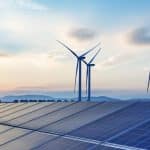
Local energy production through photovoltaic panels is the first step to reduce grid dependence, but the main advantages arise when this production is combined with storage systems. Batteries enable storing energy during periods of higher production and lower prices, a crucial capability to help companies reduce tariff peaks and increase self-consumption.
2 | Integrating LED lighting with intelligent load management
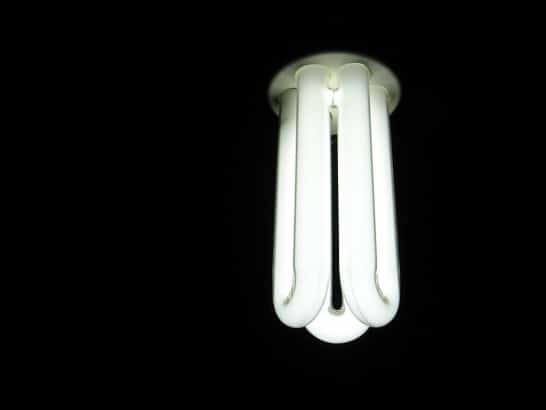
Replacing traditional systems with Light Emitting Diode (LED) lighting continues to be an efficient measure, but in the business segment, the greatest impact comes from integrating it with coordinated load management. The use of IoT sensors – which adapt to the external environment – and control systems allows adjusting consumption to the real occupancy of spaces, reducing waste.
3 | Optimizing industrial standby mode
In the industrial context, standby mode is not only associated with small equipment, it can involve pumps, production lines, and compressors that remain active even during periods of low utilization. Creating “zero-standby windows,” coordinated with production cycles and battery charging, allows reducing permanent consumption.
4 | Ensuring efficient climate control
In summer, air conditioning and refrigeration systems are among the main drivers of increased contracted power and peak consumption for companies. A battery can be used to limit the impact of the simultaneous start-up of high-power equipment, reducing peaks. Preventive maintenance and proper sizing of the machines are decisive actions.
5 | Adopting predictive thermal management
Intelligent thermal management can generate meaningful gains when it is aligned with weather data, sensors, solar production, and storage systems. By shifting part of the thermal load to more favorable periods, companies can reduce the strain on equipment, limit power peaks, and maintain the necessary operating conditions with less exposure to the market.
In the face of greater price volatility, increasing renewable production, and changing consumption patterns, active energy management should be a business priority. In the C&I sector, summer represents an opportunity for companies to test new flexibility models, accelerate operational efficiency, and strengthen energy competitiveness.