It is estimated that the annual cost of injuries to the hands and wrists of dog owners in the United Kingdom exceeds £23 million, with women and people aged over 65 years being the most at risk of being pulled by the dog’s leash, according to an analysis of the available data, published online in Injury Prevention.
Cases of injuries caused by dog walking have been increasing in recent years, in parallel with the rise in dog ownership and dog walks to improve physical fitness, the researchers explain. In the United Kingdom alone, there are about 8.5 million dogs — one for every seven to eight people.
Despite the many cognitive and physical health benefits, dog ownership is not exempt from injury risks, they add. However, few studies have reported the hand and wrist injuries suffered while walking the dog, despite all types of hand and wrist injuries accounting for between 10% and 30% of all visits to emergency services.
To fill this knowledge gap, the researchers scoured research databases, seeking relevant studies, with the aim of quantifying the risk profile and estimating the types and costs of hand/wrist injuries among dog walkers in the United Kingdom.
From an initial set of 102 studies, five were included in the evidence review. All were published between 2012 and 2024 and included a total of 491,373 patients, of whom almost three quarters (364,904) were female. About 65,623 (nearly 13.5%) were under 18 years old and 152,247 (31%) were over 65 years old.
In total, 491,400 injuries were suffered while walking the dog. Of these, 110,722 (22.5%) were specific fractures or soft tissue injuries of the hand and wrist. Finger fractures were the most common injury (34,051; 31%), followed by wrist fractures (27,904; 25%), soft-tissue injuries of the fingers (26,959; just over 24%), and soft-tissue injuries of the wrist (18,920; 17%).
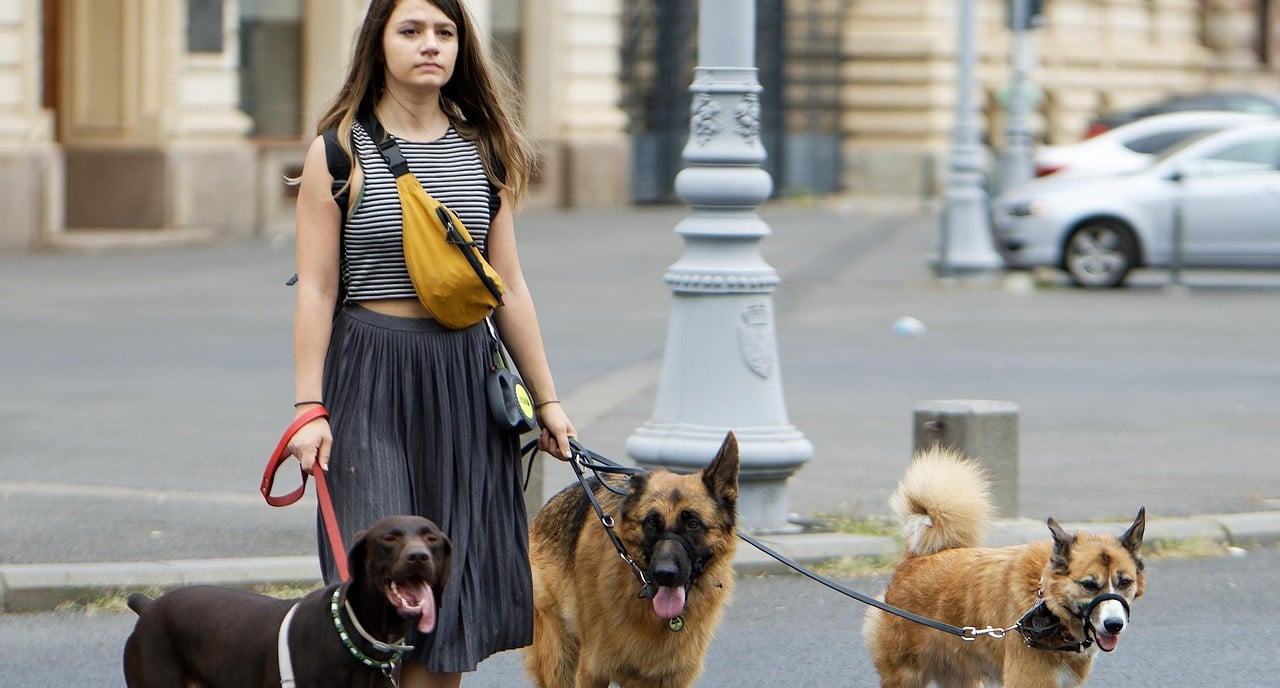
The direct or indirect role of the dog in the injury was reported in four of the included studies (458,749 patients). Being pulled on a leash with/without a fall was the most common cause of a direct injury, accounting for more than two-thirds of incidents (314,189; 68.5%).
Tripping on the leash/dog and falling (20%); and getting entangled in the leash with (11%) or without (1%) a fall were the remaining causes.
One study recorded a further 14 indirect injuries, which would not have occurred if the dog had not been present: 11 of these occurred while walking the dog, but were not caused by the dog pulling the handler on the leash.
Dog walking did not prove to be more risky than any other activity for sustaining a hand or wrist injury. But women and older adults were disproportionately affected by dog-walking-related injuries.
This finding is not entirely surprising, the researchers say, since older women are more likely to suffer from osteoporosis and, therefore, are more susceptible to fractures, while older people in general are more likely to experience balance and gait problems and vision issues, they suggest.
Based on the data from the included studies, and assuming the United Kingdom population is comprised of 45 million adults, the potential annual costs of surgery and casts for broken wrists resulting from dog-walking may exceed £23 million per year on the NHS in England, the researchers estimate.
And this does not account for the broader economic cost of these patients being unable to work and the potential increased need for care, they add.
The researchers acknowledge several limitations to their conclusions. Four of the five included studies were conducted in the United States. And three used the same data source. Trends in terms of dog ownership, dog breeds, leash type, and walking environments were also not analyzed in the included studies.
Nevertheless, the authors state: “Although this review does not demonstrate that dog-walking is an extraordinary risk factor for causing hand and wrist injuries in the adult population, compared with all other causes, it emphasizes that a significant number of these injuries can be attributed to dog ownership, particularly in the elderly and female population.”
They suggest: “Teaching safer leash-holding practices, such as holding the leash in the palm of the hand rather than wrapping it around the fingers or wrist, or choosing the leash, such as avoiding retractable devices that can lead to sudden increases in pulling force at the end of their working range, may be advisable.” Canine obedience training can also be helpful, they add.