The “Blue Sharks” gained global notoriety with Cabo Verde’s debut in the World Cup, but, beyond football, they participate in a conservation initiative for the species that bears their name and that faces several threats at sea.
“Cape Verde is home to many species of sharks and rays,” but they are under threat due to several factors, such as “pollution, warming of the sea, and illegal fishing,” says the hero of the match against Spain, the goalkeeper Vozinha, in the video of the campaign “Blue Sharks on the Field and at Sea.”
The Facebook-circulating initiative brings together the national team, environmental organizations of the country, and José Maria Neves, President of the Republic, as Patron of the UNESCO Ocean Decade Alliance.
Vozinha’s message is a plea for the defense of the oceans.
“I would like to raise awareness among all people to protect biodiversity, because our sea is our greatest wealth: we must do everything in our power to protect endangered species,” says the Cape Verdean goalkeeper.
Vozinha refers to a simple principle: “The sea is life. If we help the shark, the shark helps the sea, and the sea helps us.”
Ryan Mendes, Diney Borges, and Jovane Cabral are other players who participate in the video and appeal for shark protection, saying that with it they share its “strength” and the spirit of “resilience.”
Filmed on several islands, the campaign shared on the Patron’s page of the UNESCO Ocean Decade Alliance was filmed through Recife da Parda on Sal Island.
The area is a shark nursery, explains Tracy, one of the conservation technicians devoted to the species, noting that “protecting it is contributing to the balance of the ocean.”
Osvaldo and Natal, two fishermen, are also “guardians of the sea” who collaborate with NGOs whenever they detect pollution or illegal fishing, because “we must protect now, to leave something for the future,” just as they were taught by their parents.
The initiative presents itself as “an invitation to protect marine life and celebrate the strength of Cabo Verde, on and off the field.”
“When sport and conservation go hand in hand, the impact is even greater,” concludes the statement.
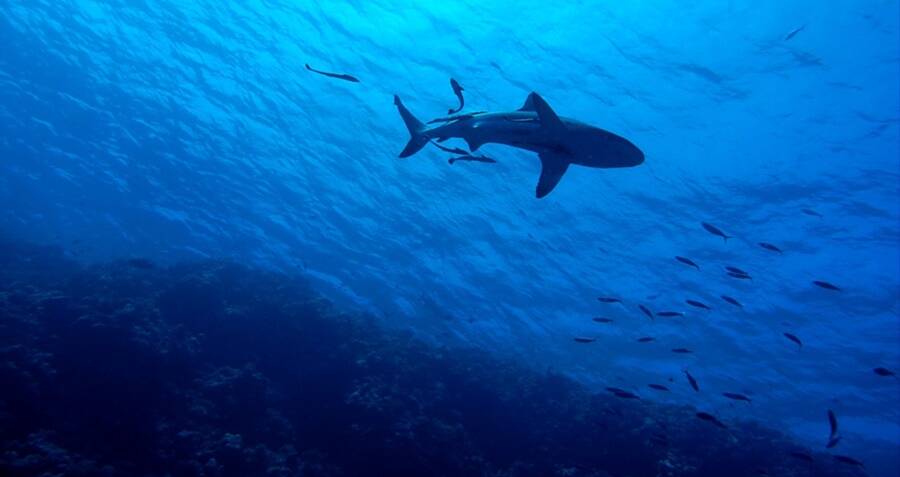
The Cabo Verde Institute of the Sea published last week a summary on the blue shark (Prionace glauca), “one of the species with the widest distribution on the planet, known for its long migrations, an essential predator for the health of the oceans with an important role in the dynamics of marine ecosystems.”
The waters of Cabo Verde are part of its migratory routes, making the archipelago “relevant for the study and conservation of this species,” it concluded.