The planet’s most remote zones are generally considered places where biodiversity can thrive and where threats to species are scarce. However, in the case of fish, the situation may not be so straightforward.
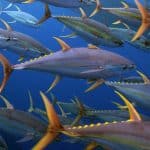
A team of scientists, as part of a study at the University of Helsinki, created a global risk map for fish populations. More than 6,000 species of fish and 119 coral species were analyzed, along with their distributions and respective ecological characteristics, as well as the interactions among them.
“To truly understand how global change is affecting natural communities and to identify effective strategies to mitigate the dramatic loss of biodiversity that is underway, it is essential to take into account the comprehensive complexity that emerges from biotic interactions,” explains specialist Giovanni Strona, who led the study.
The data point to a strong dependence of fish on corals, which increases as they are farther from humans. Thus, fish populations living in remote zones are more vulnerable to coral death. This phenomenon, which has been increasing, negatively affects nearly 40% of the fish species that inhabit every coral reef.
The researchers also decided to compare whether the risk of coral mortality offsets the benefits that these communities gain from being distant from human activities, such as fishing and pollution. It was found that ecological dependencies reduce the negative relationship that exists between extinction risk and distance from humans.
The study suggests that fish communities have no safe haven on the planet, regardless of their distance from the impacts of human action.
“The validity and relevance of these findings may extend well beyond reef fish, describing a world where remote locations, instead of being safe refuges for biodiversity, can be areas of critical vulnerability,” says Mar Cabeza, one of the authors and director of the Global Change and Conservation Laboratory at the University of Helsinki.