The sugars naturally present in foods such as fruit and honey may have played a much more important role in the evolution of the human brain than previously thought. The conclusion comes from a study by the universities of Sydney and Glasgow, published in the scientific journal Science.
Using a model spanning roughly four million years of human evolution, the researchers concluded that natural sugars may have provided the glucose needed to sustain brain growth long before the use of fire made starch-rich foods, such as tubers and cereals, easier to digest.
The investigation proposes a new perspective on human evolution, traditionally attributed mainly to increased meat consumption.
“Unlike raw starch, which does not release glucose, early humans probably depended on naturally sweet foods long before cereals became a regular part of the diet,” says Jennie Brand-Miller, Professor of Human Nutrition at the University of Sydney and the study’s lead author.
The brain needed more and more glucose
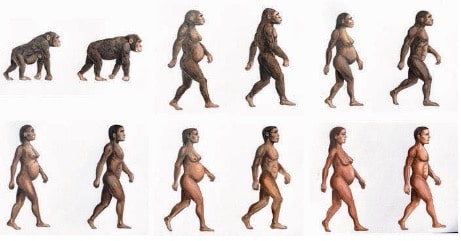
Over the course of evolution, the human brain increased from about 300 grams in early hominins to roughly 1,500 grams in Homo sapiens.
As it grew, glucose requirements rose as well, the brain’s main energy source, but also essential for red blood cells, the kidneys, and the reproductive organs.
“The human brain is unusually large for the size of our body and requires substantial amounts of energy,” explains Jennie Brand-Miller.
“Glucose is its main source of energy and, for much of human evolution, came from the carbohydrates present in foods such as fruit and honey,” she adds.
To test this hypothesis, the researchers calculated the body’s obligatory glucose needs at different stages of evolution and compared them with the foods that would have been available to our ancestors.
The model integrated information from food composition, metabolism, physiology, isotopic studies of fossils, dental morphology, archaeology, primate diets, and genetics.
Fruit first, tubers later
According to the results, the early hominins, including species such as Australopithecus afarensis (“Lucy”), Homo habilis and Homo erectus, depended heavily on carbohydrate-rich foods, especially fruit.
Later, with the generalization of fire use and cooking, they also began obtaining glucose from tubers and other underground starch-rich plants.
“When we think of carbohydrates, we often think of bread and cereals. But, for most of human evolution, they came from fruit, honey, and underground plants,” says Jennie Brand-Miller.
“The oldest evidence of seed grinding dates back to about 65,000 years ago, when the first grinding stones appeared to produce flour,”
Pregnancy may explain craving for sweet foods
The study also highlights the role of glucose during pregnancy and lactation.
According to the researchers, pregnant women required substantially higher amounts of glucose to meet the needs of the fetus, the placenta, and milk production. “When we think about the foods that sustained human evolution, we must consider not only brain growth but also the nutritional demands of pregnancy and child-rearing,” says David Raubenheimer, the study’s coauthor.
“The fetus and placenta markedly increase glucose needs, which helps explain why so many pregnant women crave fruit,” he adds.
The authors also suggest that children’s preference for sweet foods may originate from this greater energy need during brain development. “Our sweet tooth is instinctive,” says Jennie Brand-Miller.
“Children require more energy in the form of carbohydrates than adults because the brain can consume up to two-thirds of its basal metabolic rate during development,” Brand-Miller adds.
Natural sugars are not synonymous with poor nutrition
The researchers emphasize that the results do not mean that added sugars are beneficial, but rather that the sugars present naturally in foods such as fruit and honey played an important role in human evolution.
“In nature, sugars typically appear in foods that also contain fiber, vitamins, minerals and other beneficial compounds,” recalls Jennie Brand-Miller.
“Rather than fearing carbohydrates, people should favor high-quality sources such as whole fruit, legumes, and nutritious cereals, integrating a variety of these foods into a healthy diet,” she concludes.