The proposal to create the Serra da Estrela Special Conservation Zone Management Plan (ZEC), promoted by the Institute for Nature Conservation and Forests (ICNF), has today entered public consultation.
The period for citizen participation runs until July 16.
The ZECs are part of Natura 2000, “the ecological network that aims to contribute to safeguarding biodiversity through the conservation of natural habitats and of wild fauna and flora across the European territory”.
The Serra da Estrela ZEC Management Plan arises from the realization of the network’s objectives, taking the form of an instrument that “permits identifying the conservation objectives of natural values of community interest within the ZEC, which require the designation of designated areas for their conservation”.
It also allows, in light of conservation priorities, “the measures necessary to achieve these objectives, their respective forms of operationalization and the monitoring program for the implementation of these measures”.
The plan proposal was initially completed in March 2022, but was revised taking into account “the analysis of the impacts of large-scale fires that affected the area in 2022 and 2025”, with the final version now in public consultation.
In addition to the conservation objectives to be achieved with this management plan, the document under discussion identifies a set of complementary conservation measures, with the restoration of the composition, structure and continuity of the fluvial and riparian ecosystem as an example.
The promotion of sustainable management of meadows and pastures and of forest habitat types; the adaptation of planning and operation of integrated rural fire management to safeguard the protected natural values; and the strengthening of enforcement are other measures provided for in the document.
The Serra da Estrela ZEC covers an approximate total area of 88,536 hectares, spanning the municipalities of Celorico da Beira, Gouveia, Guarda, Manteigas and Seia, in the Guarda district, and Covilhã and Oliveira do Hospital, in the districts of Castelo Branco and Coimbra, respectively.
In the municipality of Seia, lies the highest point of continental Portugal, Alto da Torre, which reaches 1,993 metres.
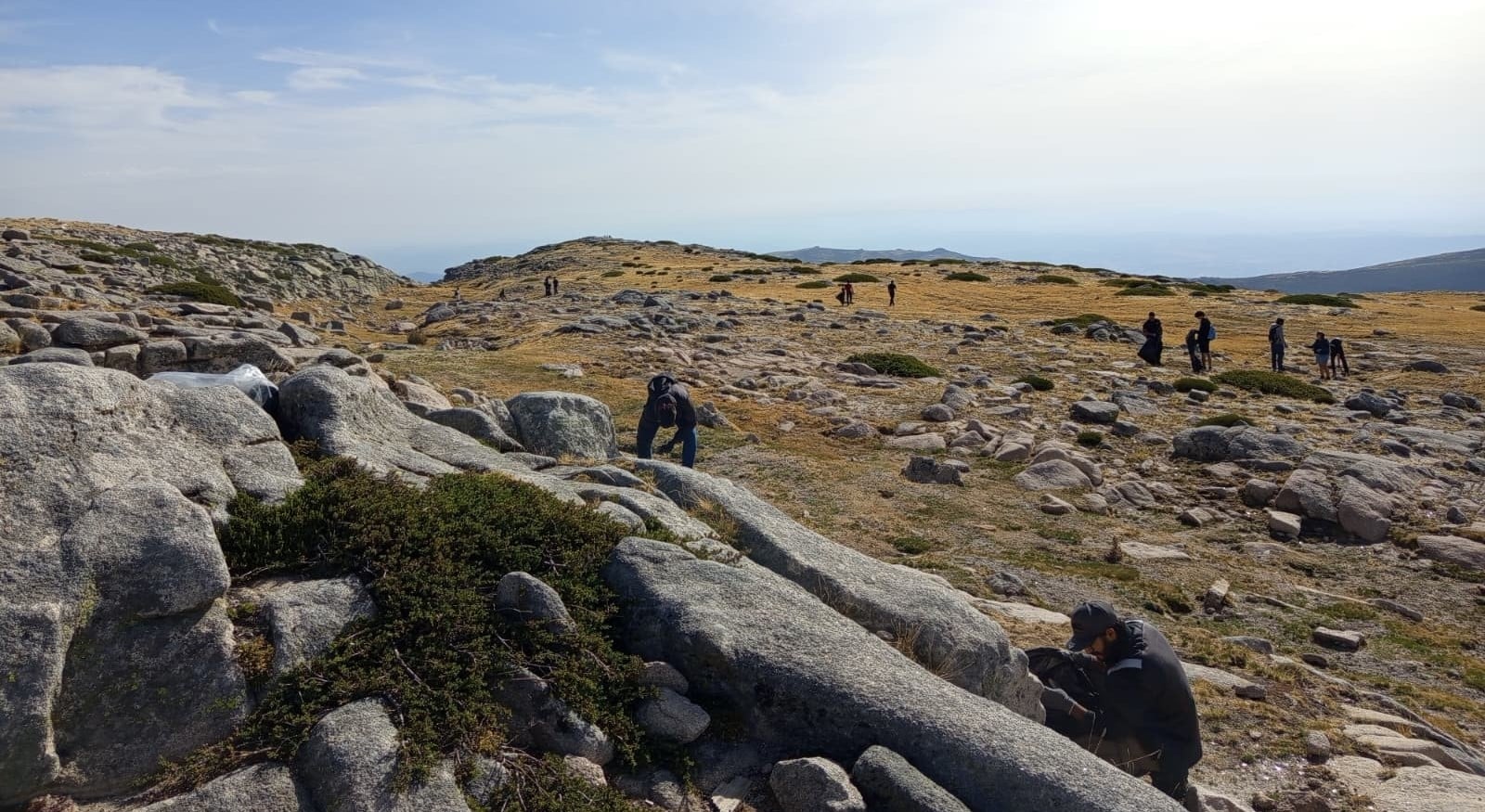
Besides presenting “a varied mosaic of habitat types, combining elements representative of several biogeographic regions”, the central plateau region of Serra da Estrela also has the peculiarity of being “the only place in Portugal where the mountain gecko (Iberolacerta monticola monticola), a subspecies of Iberolacerta monticola, occurs, an endemic taxon of the Serra da Estrela”.
The detailed characterization of the measures to be taken is all contained in the documentation available on the Participa.pt portal, where citizens can also leave their contributions.