Genomics can become a decisive tool for anticipating which populations of threatened species are most exposed to the effects of climate change, allowing conservation efforts to be directed to locations where they can make a difference before declines become irreversible.
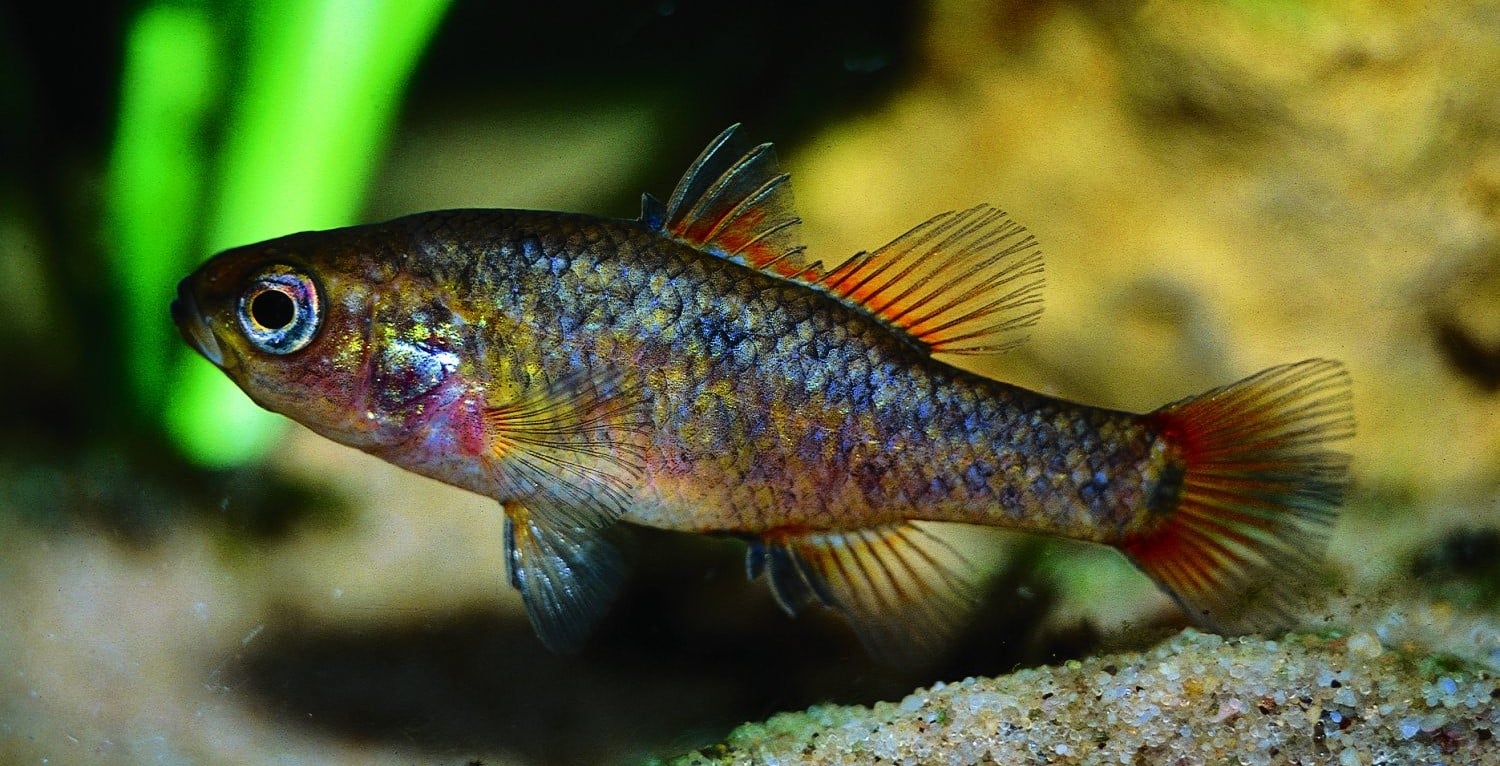
The conclusion results from a study led by researchers at Flinders University, in Australia, who analyzed Nannoperca australis, a small threatened freshwater fish that currently survives in isolated populations in the Murray-Darling basin.
Published in the Journal of Heredity, the work crossed climatic models with genomic data from hundreds of specimens. The approach allowed identifying the populations that may have greater difficulty in keeping pace with the warming of the planet and revealed, at the same time, that captive conservation programs can preserve the species’ capacity to adapt.
“Climate change does not affect all populations in the same way. By combining genomic data with climate models, we can identify populations that are at greater risk and help conservation authorities set priorities where actions could have the greatest impact,” explains Emily Booth, the study’s lead author.
Nannoperca australis is native to southeastern Australia and has suffered a sharp decline due to habitat loss and degradation, river regulation, and prolonged drought periods. In the Murray-Darling Basin, the species is currently confined to small populations, many of them isolated and with reduced genetic diversity, which may limit its ability to respond to environmental changes.
To understand how the situation could evolve, the researchers analyzed thousands of DNA markers from 467 fish collected at 30 locations along the species’ remaining distribution area.
The results revealed important differences between populations. The fish living in waterways in higher-altitude areas generally show greater vulnerability to future climate changes than those inhabiting wetlands and rivers at low altitude.
One of the most interesting findings is that altitude, on its own, emerged as a strong indicator of climatic vulnerability. This discovery could have practical applications in other freshwater ecosystems, allowing identification of populations potentially at risk without the need to perform detailed genomic analyses on all of them.
Conservation can also preserve adaptation
The study also analyzed a recovery program developed after Nannoperca australis disappeared from the Lower Lakes region in the Murray River during the so-called Millennium Drought.
Through a captive breeding and reintroduction program guided by genetic information, the species was re-established in the region.
The analysis now conducted indicates that the recovered population maintained the genetic capacity needed to adapt to future climate changes. For the researchers, this is important evidence that genetic conservation can do more than avoid immediate extinction: it can also help preserve a species’ evolutionary resilience to a changing climate.
“This is another study that demonstrates that genomics has ceased to be limited to describing biodiversity and has begun to actively contribute to its conservation. We can now identify the populations most vulnerable to climate changes and use this information to guide actions such as captive breeding, assisted gene flow, and habitat restoration,” says Luciano Beheregaray, professor at Flinders University and senior author of the study.
The conclusions may be relevant for many other species. Freshwater fishes are among the most threatened vertebrates on the planet, yet they continue to receive less attention in conservation than other animal groups.
The joint use of genomic data and climate models could, thus, help transform conservation into a more preventive strategy: first identifying the populations at greatest risk and concentrating on them measures such as habitat restoration, captive breeding, or the strengthening of genetic diversity.
The study, published in the Journal of Heredity, was peer-reviewed.