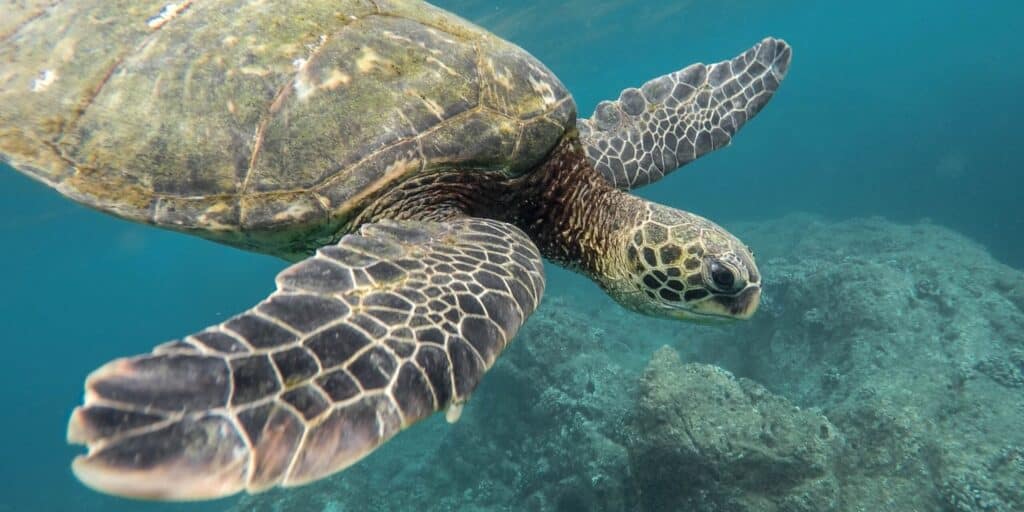
With the arrival of good weather, there are also frequent trips to the beach — and with them, the probability of witnessing situations of marine animals beached along the coast increases, such as turtles, dolphins or even seals. This type of situation can be as unexpected as it is striking, raising questions about how to act. To ensure the encounter can be lived calmly, the Zoomarine Center for the Rehabilitation of Marine Species – Porto d’Abrigo – offers some simple tips that can help guarantee the safety of the animal and of those who find it:
1. Stay calm and keep your distance: Do not try to touch, feed or return the animal to the sea. These animals are wild, not accustomed to human contact, and, often, may be injured or ill, requiring specialized veterinary care.
2. Minimize noise and keep curious people and pets away: Create a safety perimeter to prevent the animal from feeling more stressed. That person who wants to take a photograph or touch the animal? Help them keep their distance. And your dog? It’s also better to keep it away.
3. Observe without interfering: Try to identify the type of animal (turtle, seal or cetacean) and note characteristics such as size, color and possible injuries. Also check whether it looks alive or dead, without touching directly. Information about the animal’s behavior is also valuable to convey to authorities.
4. Record the exact location: Note reference points or use the mobile phone’s GPS location to facilitate the rescue.
5. Photograph carefully: If possible, take photos of the animal to help specialists in identification and assessment of health status.
6. Contact the competent authorities who are available 24 hours a day to guarantee the well-being of marine animals. The specialized technicians will inform you of the procedures to follow while the team has not yet arrived at the site:
· National number: ABRIGOS – Network for the Support of Marine Mammals / ICNF – 968 849 101
· Algarve Stranding Network (RAAlg): 968 688 233
· Albufeira – Zoomarine’s Porto d’Abrigo Rehabilitation Center – 289 560 300 (extension 3)
· Alentejo Stranding Network (ARROJAL): 932 004 615
· Lisbon and Tagus Valley Stranding Network (RAVLT): 911 111 241
· Northern Stranding Network (CRAM – ECOMARE): 919 618 705
Remember: the most important thing is to stay calm, respect the animal’s space and know that, in these situations, common sense is the best ally. Every minute counts and, with a simple gesture — such as calling the right contacts — you can be making all the difference. In addition to helping a living being in distress, you are also making a precious contribution to protect marine life and nature, concludes the Zoomarine Center for the Rehabilitation of Marine Species.