Children living in Small Island Developing States (SIDS) currently experience seven times as many heatwave days as at the beginning of the century, according to a report released yesterday.
SIDS, more than fifty countries and territories, face unique socioeconomic and environmental challenges and are highly vulnerable to climate change, the report notes, calling for greater support to help these countries become more resilient to climate change.
The Lancet Countdown 2025 report on “Health and Climate Change in Small Island Developing States” shows that the populations of these countries continue to bear an outsized and growing burden on health due to climate change.
Data from the report indicate that in 2024 ambient heat represented a record average of 3,000 hours of moderate heat-stress risk during outdoor light exercise.
That year, about 4.4 billion work hours may have been lost due to extreme heat, the highest value since monitoring began in 1990.
According to the document, also due to climate change, the risk of dengue, chikungunya and other mosquito-borne diseases is increasing.
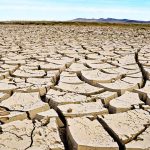
Prolonged drought led a further 2.7 million people to moderate to severe food insecurity, and in the oceans warming continued to threaten fishing, livelihoods and marine food security across all island nations, the report also notes.
Adaptation and early warning efforts continue to be constrained by limited institutional capacity, fragmented climate finance and insufficient investment in health adaptation. Only 10 of the 58 SIDS have national plans dedicated to health and climate adaptation.
Despite the challenges, the report notes progress. Photovoltaic energy capacity has more than doubled since 2020, and early warning systems are improving.