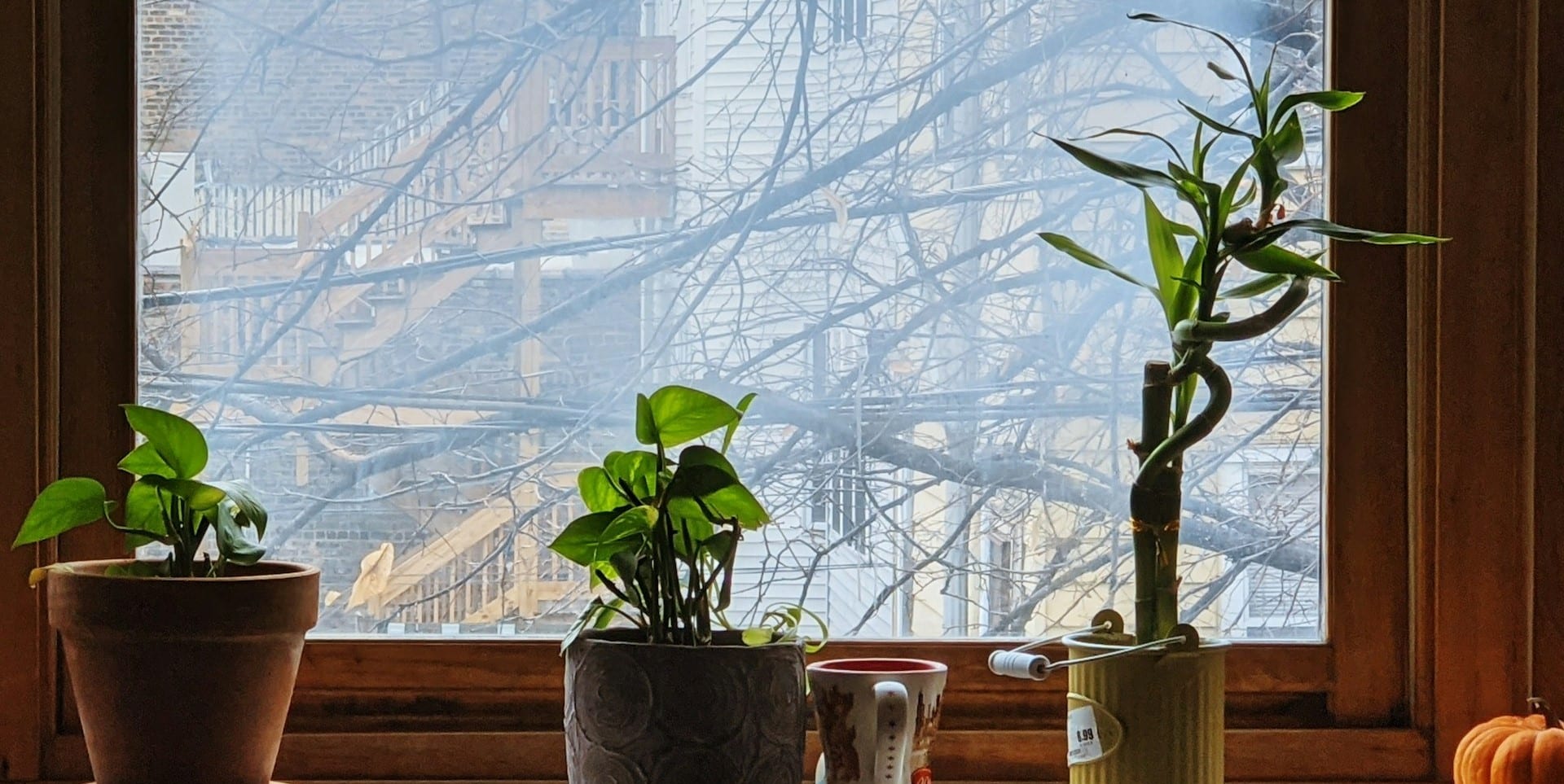
An unprecedented report on indoor air quality in Australia revealed significant gaps in data, public policies, and protective measures related to the air Australians breathe indoors — which accounts for up to 90% of their daily time.
Entitled The State of Indoor Air in Australia 2025, the report was coordinated by the Centre for Advanced Training at the Queensland University of Technology (QUT) — THRIVE, dedicated to advanced building systems to combat airborne infections. The study highlights health, well-being and economic risks associated with the poor indoor air quality in spaces such as homes, schools, workplaces, hospitals and public buildings.
The lead authors, Associate Professor Wendy Miller and Professor Lidia Morawska, both from QUT’s School of Earth and Atmospheric Sciences, analyzed 106 peer-reviewed studies, encompassing data from more than 2,500 buildings — a sample well below 0.03% of the country’s built environment. The findings point to substantial variations in the concentrations of the pollutants analyzed.
“This report serves as a starting point for monitoring indoor air quality and as a catalyst for an expanded dialogue among sectors and jurisdictions that leads to a national strategy,” explains Associate Professor Wendy Miller.
Meanwhile, Professor Lidia Morawska — internationally recognised for her work on air quality and airborne transmission of diseases — regards the report as a crucial step toward the development of effective policies.
“There has long been recognition of the link between indoor air and health. However, until now there was no national portrait of what Australians breathe indoors,” she states.
“This study provides the scientific basis needed to inform public policies, regulations and building practices that protect people from exposure to pollutants and airborne pathogens,” she emphasizes.
Morawska, who features on TIME magazine’s list of the world’s 100 most influential people for her contribution to the COVID-19 response, leads the THRIVE center and is a Laureate Fellow of QUT.
Key findings of the report
The report reveals that indoor air quality remains widely neglected in Australia’s building codes and public health strategies. The analysis indicates that less than 0.03% of the country’s buildings have been the subject of specific studies on indoor pollutants, highlighting a clear gap in knowledge and monitoring of this issue.
Among the pollutants most frequently detected are carbon dioxide, fine particles, volatile organic compounds, nitrogen dioxide and formaldehyde. The presence and concentration of these pollutants vary significantly depending on the type of building, geographic location, the design of ventilation systems and the usage patterns of spaces.
The report’s conclusions follow Morawska’s call in a 2024 article published in Science, where she advocates the creation of mandatory indoor air quality standards in public buildings.
“Clean air in indoor spaces must be a basic right, not a luxury,” she argues.
“Coordinated action among governments, industry and civil society is urgently needed to ensure safe, healthy and resilient indoor environments,” she concludes.