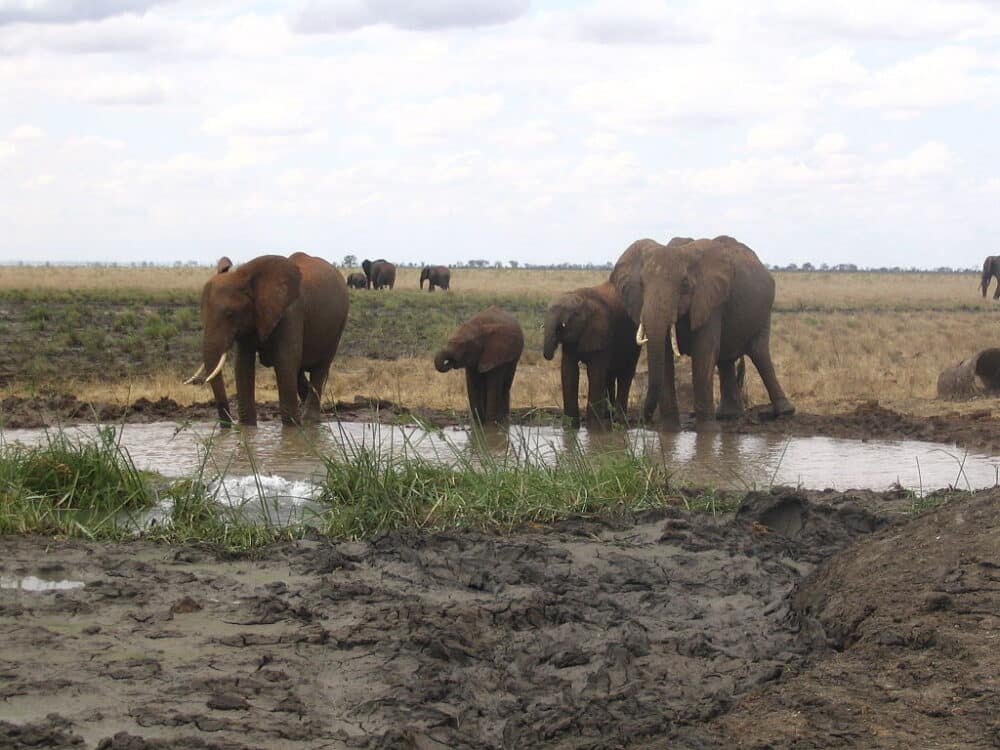
Mozambique has an estimated population of more than 21,000 elephants, according to preliminary data from the aerial census carried out in 2025, released today by the Mozambican National Administration of Conservation Areas (ANAC).
In a brief note with the number and without further details, ANAC calls for the protection of the African elephant, noting that it is the largest land animal on the planet and that it can live for more than 60 years.
“Protecting elephants means protecting many other species, natural resources and even people’s livelihoods,” reads the note released by the Mozambican conservation institution.
“In February, Mozambique announced a new biodiversity metric to measure the impacts of development on the African elephant, a species ‘prioritized for conservation’ in the country, as reported at the time by Lusa.”
“With this initiative, the Government of Mozambique and its partners reinforce the commitment to innovative technical solutions that promote more balanced development and the conservation of one of the country’s most emblematic species,” reads the note released at the time by the Foundation for Biodiversity Conservation (Biofund) of Mozambique.
The new National Census of Elephants and Large Mammals was conducted in 2025, seven years after the last count, and aimed to update the number of animals present and their distribution across Mozambican territory.
The census was supposed to be conducted every five years, but lack of resources constrained the process, said in September the Deputy Director-General of ANAC, Severiano Khoy.
Previous censuses conducted in Mozambique recorded a 13% drop in the elephant population, from 10,496 animals in 2014 to 9,122 in 2018, the year of the last census, as a result of poaching and natural phenomena.