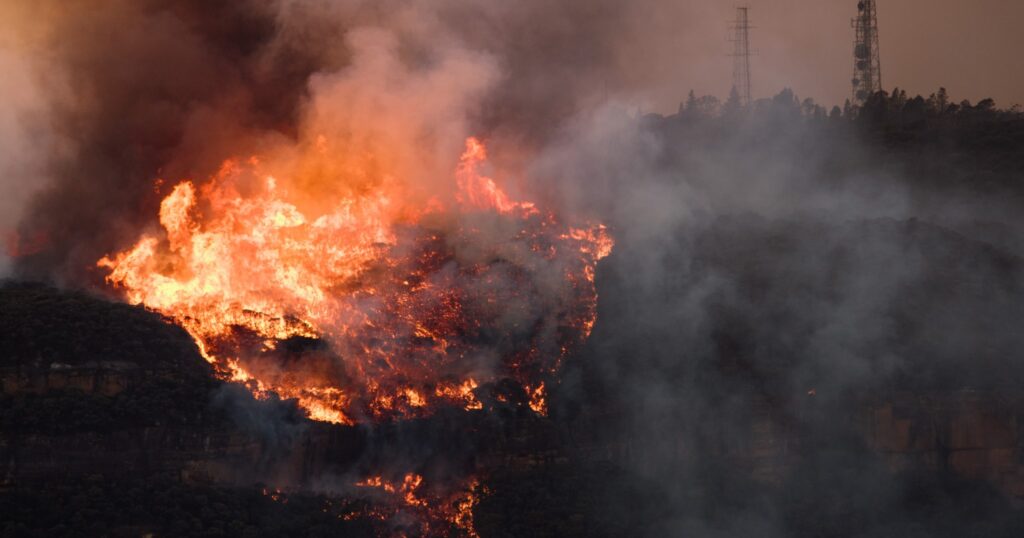
Urze – Forest Association of the Serra da Estrela Foothills is developing a pilot project for fire prevention through pastoralism using Cachena cattle in a 12-hectare area in Gouveia.
The action, which will run for five years, covers the Aljão Integrated Landscape Management Area (AIGP) in that municipality in the Guarda district, and is financed by the Recovery and Resilience Plan (PRR).
“Eleven cows have been on the site for two months, in a fenced area, with vertical grazing control collars,” Urze president Samuel Rebelo told the Lusa agency, noting that those animals are more suitable than goats for the terrain, since they also eat scrub and gorse.
In addition to fire prevention, the association’s objective is to produce meat and generate economic value.
“This innovative project has as its main objective to promote extensive grazing in forest areas, using the native Cachena cattle breed as an active agent in the management of forest fuel, reducing fire risk, preserving biodiversity and the socio-economic valorization of the interior,” summarized Urze.
The association believes that the introduction and maintenance of the Cachena breed in the forest mosaics of the Aljão AIGP “demonstrates how sustainable animal production and preventive silviculture can operate in symbiosis.”
“These cattle reduce the load of vegetal fuel, creating discontinuities in the vegetation cover vital to stopping large-scale fires, while producing high-quality meat linked to the native Portuguese genetic heritage.”
The Urze president underscored that, “instead of spending money on clearing fuel-management strips, every three years, which is not profitable and is very polluting, one should spend it on Cachena cows that bring added value.”
According to Samuel Rebelo, the intention is to replicate the pilot project in two more AIGPs, in Seia, over about 1,000 hectares, involving two groups of communal lands (baldios) between Gouveia and Alvoco da Serra (Seia).
To publicize the project, Urze is organizing a technical field visit on Tuesday morning, bringing together representatives from the agricultural, forestry and municipal sectors.