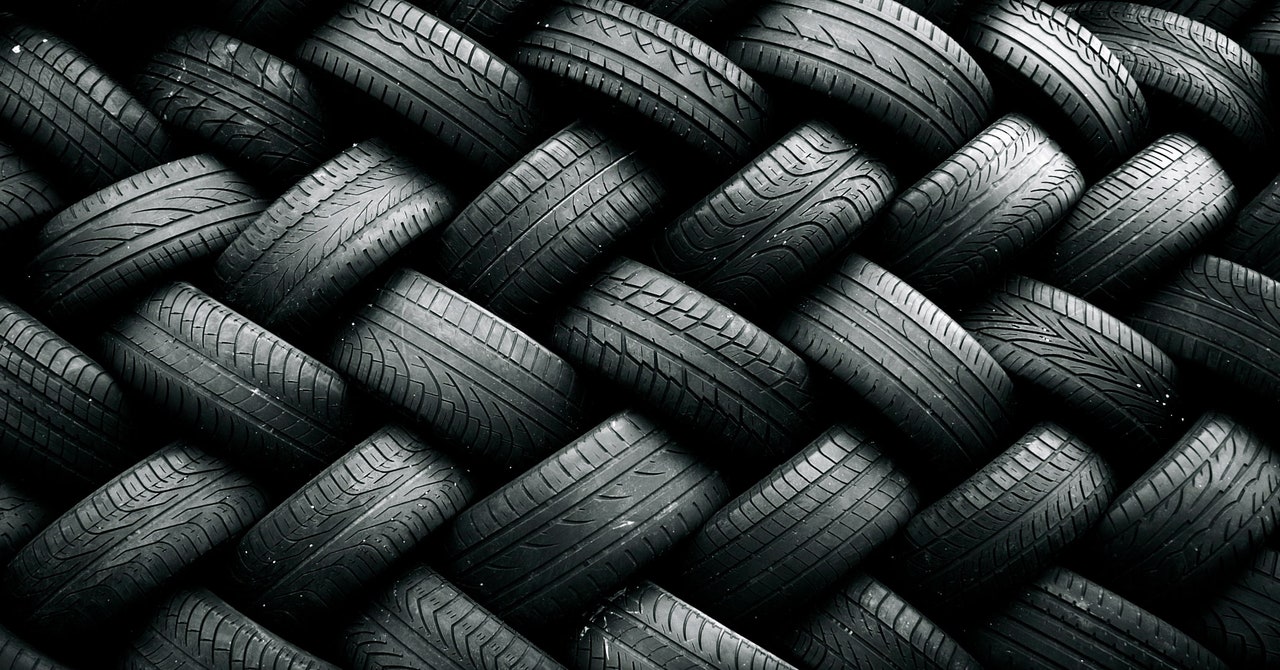
Torrestir, a Portuguese freight transport and logistics company, recorded in 2025 an estimated saving of 693.5 tonnes of CO₂ and 204.4 tonnes of raw materials through the sustainable management of its fleet’s tires, according to Michelin’s statement, as disclosed in a press release.
According to the same source, the result translates the impact of management oriented toward prolonging the life cycle of tires, integrating circular economy principles into an essential component of the daily transport and logistics operation.
According to Michelin, this estimate results from practices aimed at prolonging the tire life cycle, including retreading and the use of retreaded tires, which contribute to reducing the consumption of raw materials and the environmental impact associated with the operation.
For an operation based on a large fleet with high levels of utilization, tire management has an impact that goes beyond routine maintenance. Prolonging the life cycle of tires, under appropriate safety and performance conditions, reduces the need to use new raw materials and contributes to a more efficient use of resources throughout the tire life cycle.
Circular economy applied to the operation
Retreading allows prolonging the tire life cycle, reducing the need for full replacement and the consumption of raw materials associated with the production of new tires. In practice, it means extending the value of an already existing resource and reducing the environmental impact associated with its life cycle.
At Torrestir, this approach forms part of a broader efficiency and sustainability strategy applied to the operation. The company has been working across different dimensions, from fleet renewal and improved vehicle efficiency to renewable energy production, eco-driving training, and the adoption of solutions that promote more efficient use of resources.
Sustainable tire management adds a less visible dimension, but directly linked to the day-to-day activity. In a transport operation with intensive vehicle use, durability, reuse and life-cycle management of components can represent significant environmental benefits when applied consistently and at scale.
“In a transport and logistics company, sustainability must be present in concrete operational decisions. Tire management is a good example. Prolonging its life and reusing resources whenever there are conditions to do so allows us to combine operational efficiency with a reduction of environmental impact. It is this work, carried out in different areas of the company, that gives coherence to our sustainability journey,” notes Comendador Fernando Torres, founder and president of the Torrestir Group.
The distinction awarded by Michelin through the Certificate for Sustainable Tire Management recognizes these practices and quantifies, through the estimates presented by Michelin, the environmental benefits associated with Torrestir’s tire life cycle management.
For the Group, the result sits within a path oriented toward progressively more efficient resource use and the reduction of its environmental footprint, integrating efficiency, decarbonization and circular economy measures across the different areas of activity.