Humans have long been fascinated by eternal life. However, although advances in medicine and technology have increased longevity in our species, we have become more vulnerable to diseases, such as cancers, as we age.
Immortality, for now, is a unique trait of a jellyfish of the species Turritopsis dohrnii, a small gelatinous animal about five millimeters in size that is capable of reversing its life cycle when faced with adverse conditions, such as a lack of food, or when it suffers injuries. There is also the case of the naked mole-rat (Heterocephalus glaber), which can live up to 40 years due to its “superpowers” genetic.
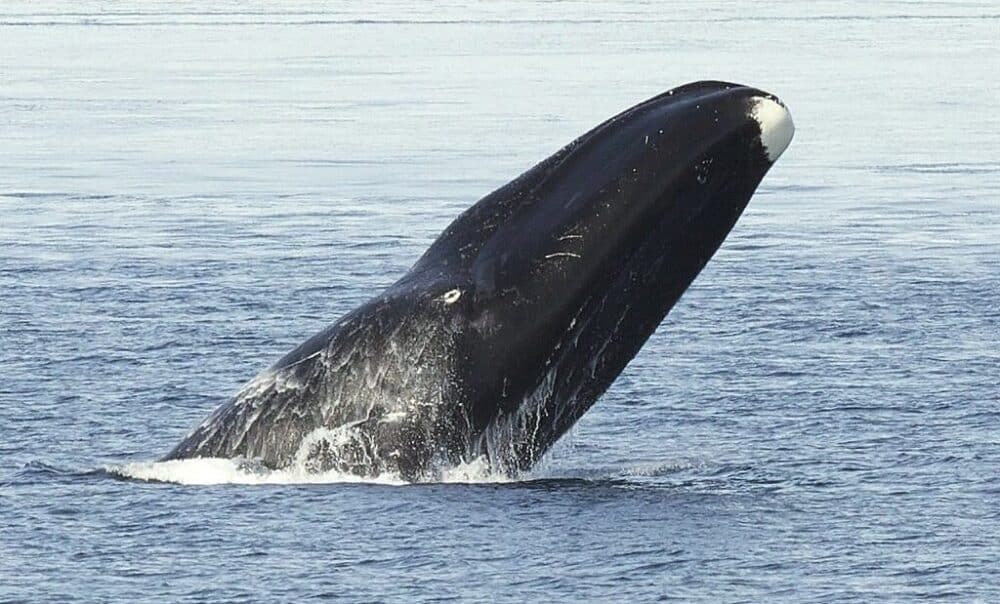
Nevertheless, long life can be found in other animals closer to our taxonomic “home,” among mammals. The Bowhead whales (Balaena mysticetus) are known to live up to 200 years old with remarkable resistance to disease.
Now, a study published recently in the journal Nature reveals the secret of this extraordinary longevity in one of the planet’s largest animals.
Led by scientists from the University of Rochester (United States of America), in collaboration with dozens of other specialists, the study advances that the capacity of Bowhead whales B. mysticetus to live so many years is encoded in a protein they call CIRBP.
According to the authors, this protein plays a fundamental role in repairing genetic damage that, otherwise, could cause diseases and, thus, shorten the life of these animals, as happens with humans.
In the article, the researchers say that these whales contain CIRBP quantities much higher than those of any other mammal, so this discovery may eventually contribute to other studies and investigations that help slow the effects of aging in humans, as well as the incidence of cancers and genetic damage.
“This investigation shows that it is possible to live longer than the typical human longevity,” says Vera Gorbunova, one of the principal co-authors of the study, in a statement.
“By studying the only warm-blooded mammal that lives longer than humans, our work provides information about the mechanisms that enable longer lives, highlighting the importance of genomic maintenance for longevity,” she adds.
The fact that the Bowhead whales B. mysticetus live in cold regions of the planet – they live almost exclusively in the cold waters of the Arctic and subarctic. This investigation also found that reducing the temperature at which the cells of these whales are exposed increases the production of the CIRBP protein. Now, scientists want to understand whether the same could happen with human cells.
Popular wisdom says that taking cold-water baths helps strengthen our health. It is possible that this is more than mere superstition, although more investigations are needed to confirm it.