Sogrape reduced in Portugal the total greenhouse gas emissions by 25.2% compared to 2021, while strengthening adaptation measures and ecosystem protection. On the International Day of Climate Action, observed on October 24, and in anticipation of the COP 31 Climate Conference and COP 17 Biodiversity Conference, the company highlights an approach that combines mitigation and adaptation to safeguard the future of wine, according to a press release.
According to the same source, in a sector particularly exposed to climate change, with impacts on vineyards, water availability, soil health, and grape quality, anticipating risks and strengthening the adaptation capacity of wine regions is a priority for Sogrape. This action is integrated into Seed the Future, the company’s sustainability program, which combines emission reductions with resource-use efficiency and the resilience of the vineyards and wine regions.
In Portugal, the emission reductions have been driven by energy efficiency initiatives, renewable energy production, and low-emission mobility. These have been complemented by measures along the value chain, particularly Scope 3, responsible for more than 94% of emissions, such as reducing bottle weight and incorporating recycled materials.
“Wine is born from the soil, and therefore caring for nature is caring for what we are and want to preserve for the future. At Sogrape, we are working to build more resilient wine regions, reduce our impact and prepare our vineyards and territories for a climate that is increasingly demanding. This is the responsibility we take on today, thinking about the legacy we want to leave to future generations,” says Mafalda Guedes, Director of Corporate Communications and Sustainability at Sogrape and the fourth generation of the founding family.
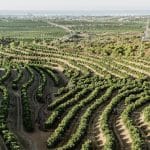
Adaptation begins with understanding the specific conditions of each region. In Portugal, Sogrape operates 31 weather stations and annually collects vegetation data from more than four million vines, supporting viticultural decisions more closely aligned with local conditions. Between 2022 and 2025, specific water use decreased by 40.5%, dropping from 21.9 to 13 liters per 0.75 L bottle of wine. In parallel, adaptation also means protecting biodiversity and the natural functions of vineyard landscapes, with around 36 hectares restored on Portuguese soil, with another 92 hectares undergoing restoration.
With presence in different wine-growing geographies, Sogrape tracks the evolution of climatic conditions at regional level and on each estate, recognizing that impacts and the necessary responses vary from territory to territory. Monitoring allows anticipating and adapting viticultural practices to the conditions of each site, contributing to protecting grape quality, vine resilience, and the character of the different regions.
Sogrape also participates in the International Wineries for Climate Action (IWCA), as a Silver member, taking part in the collective and science-based work developed by the organization to reduce greenhouse gas emissions in the wine industry. With an approach that blends emissions reduction, vineyard adaptation, and protection of nature and biodiversity, Sogrape continues to invest in the resilience of wine regions, helping future generations to continue producing great wines.