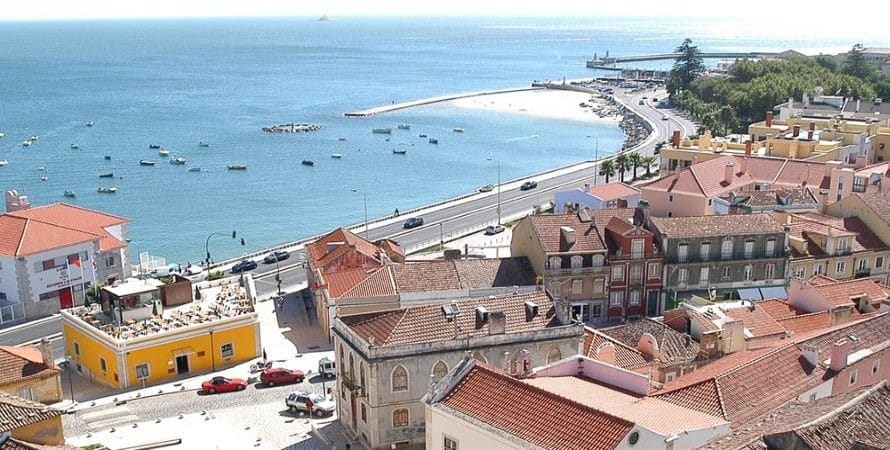
Portugal today marks the 130th anniversary of the first national oceanographic campaign, led by King Carlos I, beginning off the coast of Oeiras the first campaign of this year to monitor the impact of human activity on marine ecosystems.
The mission, under the responsibility of the Portuguese Institute for the Sea and Atmosphere (IPMA), is part of the first oceanographic campaign of this year under the European Union’s Marine Strategy Framework Directive and will last two weeks, taking place aboard the research vessel “Mário Ruivo”.
Campaigns carried out under this Framework Directive aim to assess the impacts of human activity on marine ecosystems, notably river and urban discharges, fishing, aquaculture, intensive coastal tourism, maritime transport, port and industrial activities, and the deposition of marine litter.
On September 1, but in 1896, began very close by, off the Cascais coast, the first oceanographic campaign directed by King Carlos I, aboard the yacht “Amélia”, which remained in that area until October 5.
The campaign, which extended offshore from Cape Espichel, Berlengas and Setúbal, aimed at the scientific study of the Portuguese coast, including its fauna.
Among the equipment used were Nansen bottles, water samplers at certain depths, and the so-called Nansen bottles named after the Norwegian scientist and explorer Fridtjof Nansen who invented them in the late nineteenth century.
More than 100 years later, the same type of instrument will be used today in the IPMA’s mission off the coast of Oeiras, lasting about an hour and conducted by six institute researchers, who will collect water and sediment samples, to be analyzed later in the laboratory.
A second campaign, this year, under the same European Union Marine Strategy Framework Directive, is planned for December, according to IPMA.
Altogether, the IPMA’s ship “Mário Ruivo”, named after the biologist and oceanography specialist who died in 2017 at the age of 89, will accumulate 115 days at sea by the end of the year, between oceanographic campaigns and equipment testing.
In August, IPMA coordinated a campaign in the north of the Azores to characterize the seafloor and its biodiversity, covering notably the Gnitsevich seamount complex and the Anti-Altair seamount, which was part of the program for the management and planning of the region’s oceanic protected marine areas.