The electricity consumption in Portugal rose by 3.1% between January and August, with solar production reaching, in the past month, a new peak in power output, according to data released by REN.
According to the same information, in August the electricity consumption in Portugal “maintained the growth trend, with an increase of 1.2% versus the same month of the previous year, or 2.2% after adjusting for temperature effects and the number of working days”.
From January to August period, “consumption registered a positive growth of 3.1% compared with the same period, or 3% when considering the same effects”.
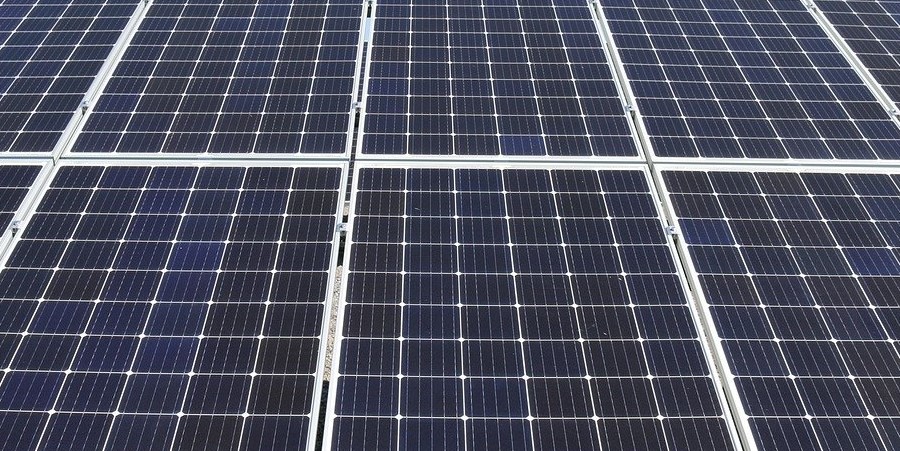
According to REN, solar energy production reached, in August, “a new peak in power, with around 3,850 megawatts [MW], accompanying the growth of installed capacity”.
REN highlighted that during August, “the meteorological conditions were less favorable for wind and photovoltaic production, with capacity factors of 0.87 and 0.82, respectively (the historical average equal to 1)”.
In hydro production, “inflows were higher than the average values, though with little significance as it is a summer month”.
Thus, overall, “renewable production supplied 52% of the national electricity consumption, non-renewable production represented 12%, while the remaining 36% corresponded to imported energy”.
Yet, electricity imports “reached a new maximum, with values above 5,200 MW, after the recent strengthening of the interconnection with Spain”, according to the same data.
Solar production, despite less favorable conditions, benefited from the increase in installed capacity, the operator of the national electricity grid noted.
“In the first eight months of the year, renewable production supplied 66% of consumption, distributed as hydroelectric (25%), wind (23%), photovoltaic (13%) and biomass (5%), with natural gas production representing 14% of consumption, while the remaining 20% were net imports.”}
According to REN, the national supply of natural gas was “carried out entirely from the Sines LNG terminal”, with the interconnection with Spain recording a net export balance equivalent to about one third of the national consumption.
“Between January and August, natural gas consumption rose 2.2% compared with the same period of the previous year”, REN noted, with the electricity production segment growing 7.4%.
Nigeria and the United States were the main sources of gas consumed in Portugal in the first eight months of the year, with, respectively, 57% and 31% of the total.
Russia, in turn, accounted for 6%, while the remaining 6% originated from the interconnection with Spain.