Considered the world’s largest wildlife photography competition, the Wildlife Photographer of the Year (WPY) marks this year its 62nd edition, with an unprecedented number of entries: more than 65,000, from 121 countries.
Developed and produced by the Natural History Museum in London, the initiative aims to showcase the most extraordinary images of the natural world, to inspire and to draw public attention to the issues currently faced.
The winners of the 2026 edition will be publicly announced on 13 October, at a ceremony in that British museum presented by Chris Packham and Megan McCubbin, conservationists and hosts of television programs about wildlife.
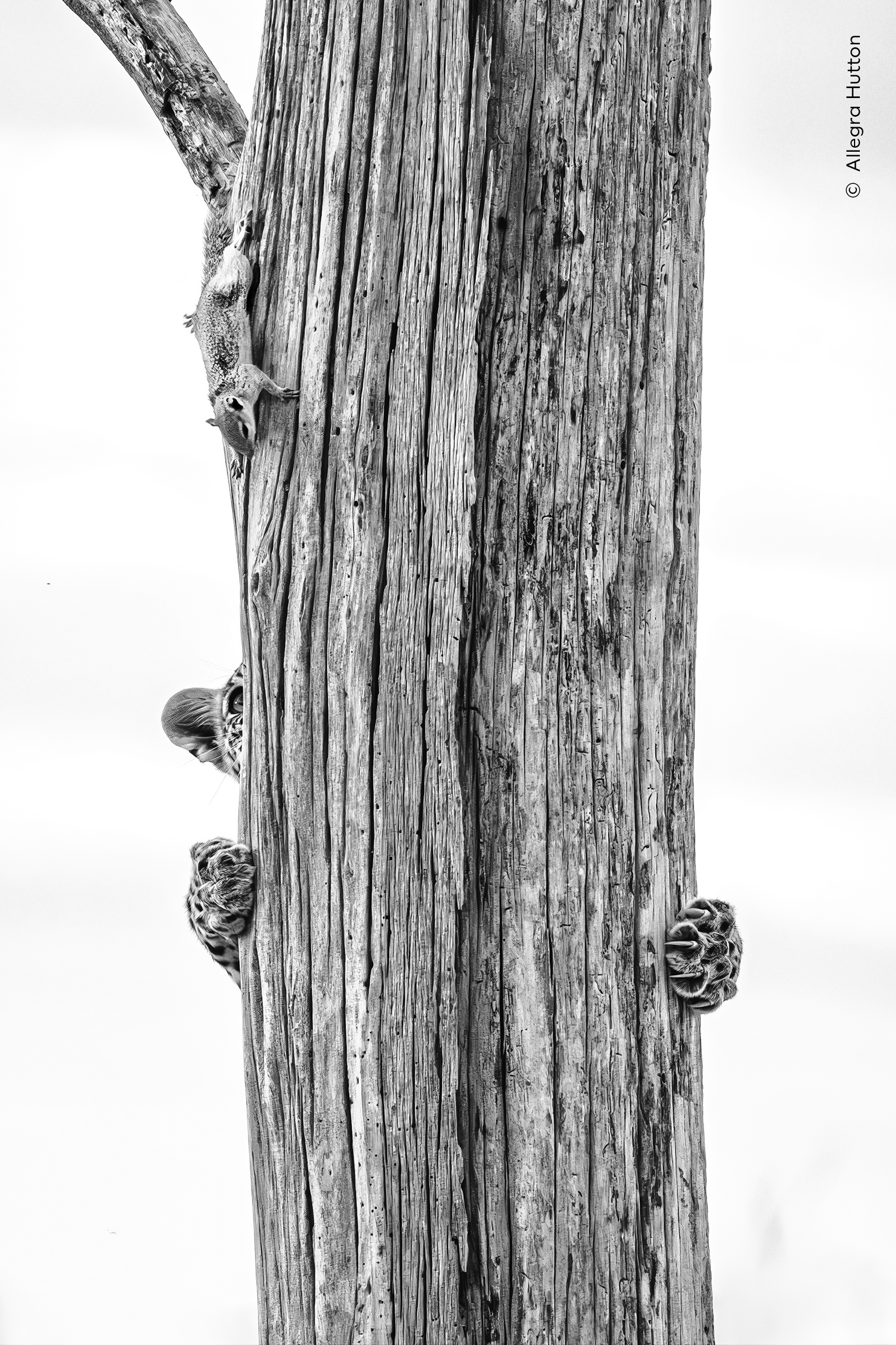
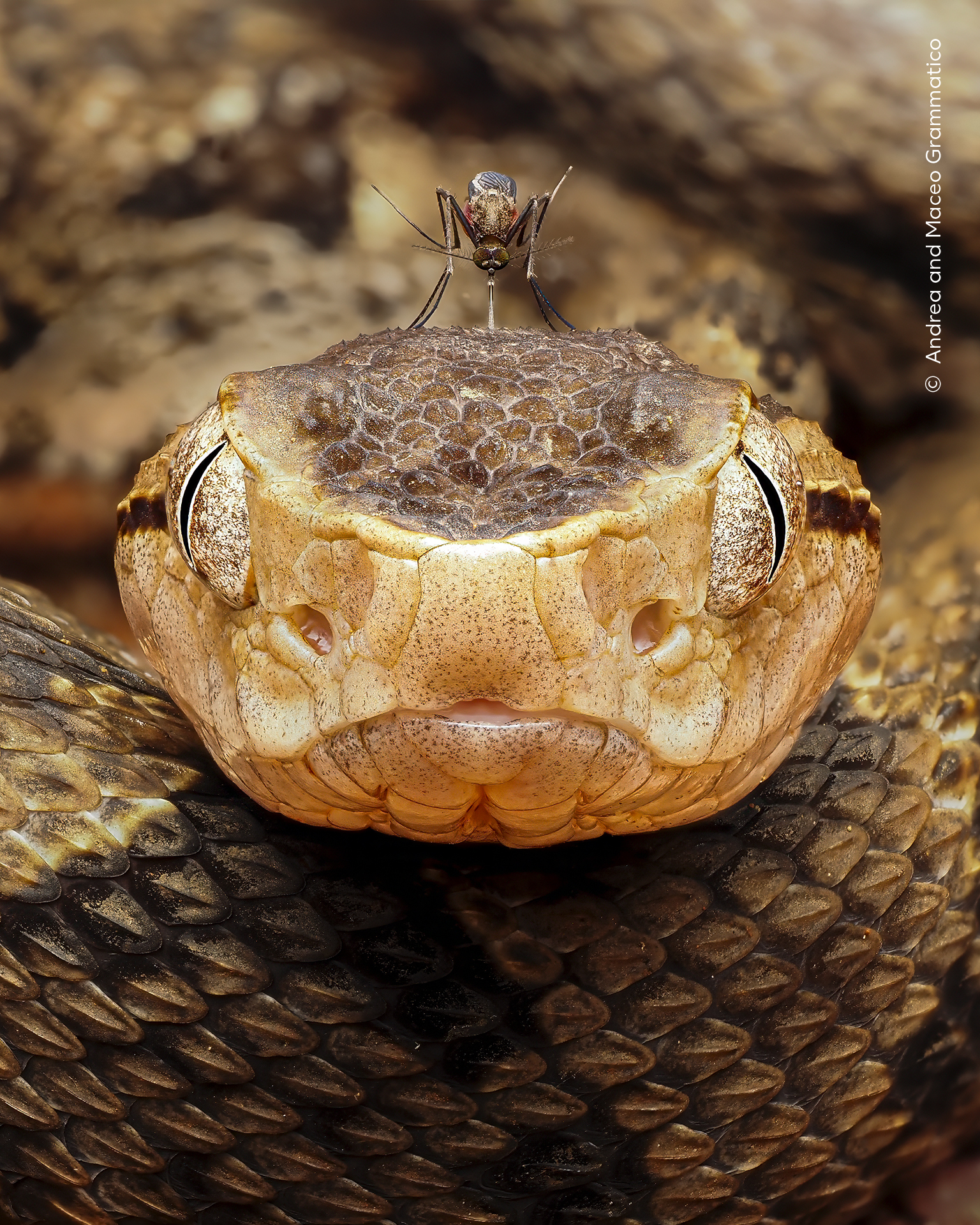
The 100 photographs selected by the jury will be on display at the museum from 16 October, but the organization has already released some, to whet curiosity.
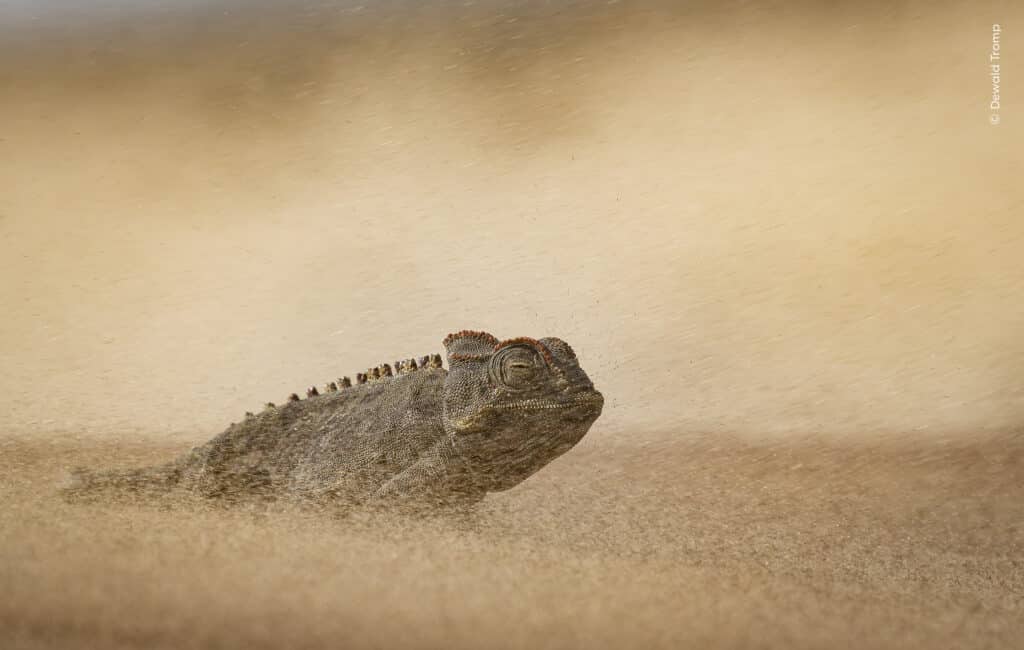
Among those chosen are a fearless chameleon facing a storm head-on, a special relationship between a rhinoceros and a small bird, a mother orca mourning her deceased calf and carrying its lifeless body through the sea, a frog with poor aim and a bear forced to ride a tricycle in a circus in Guatemala.
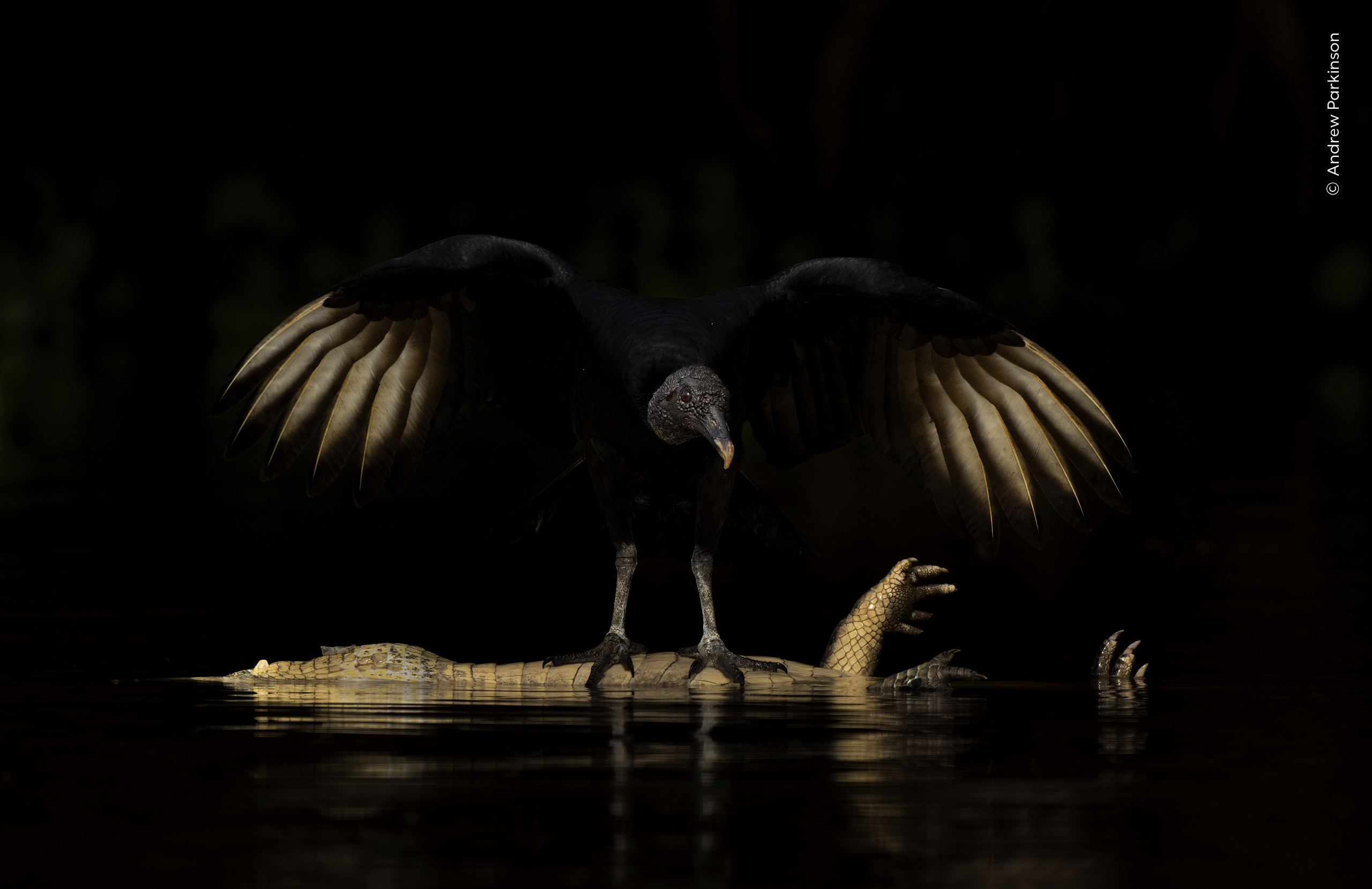
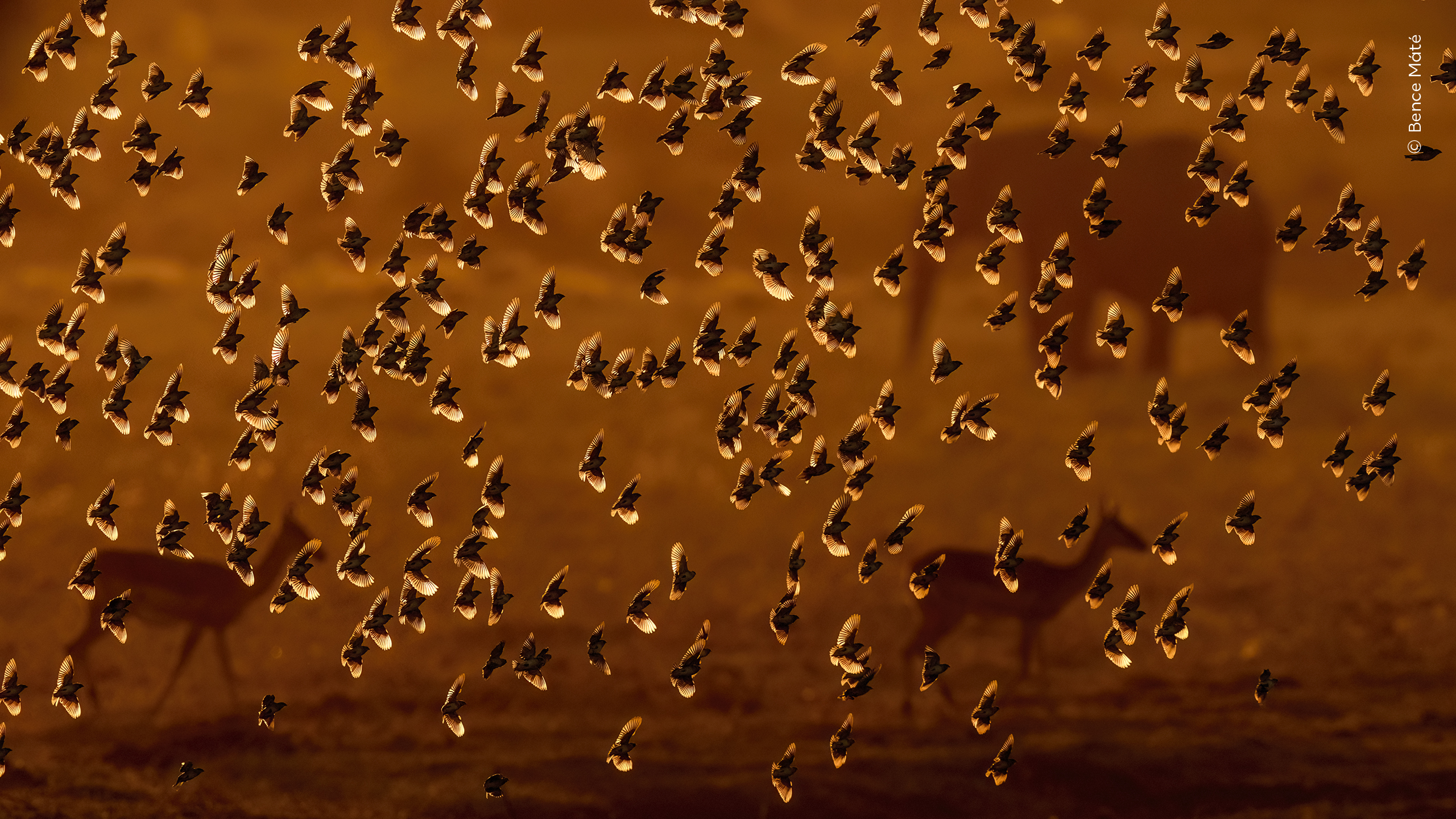
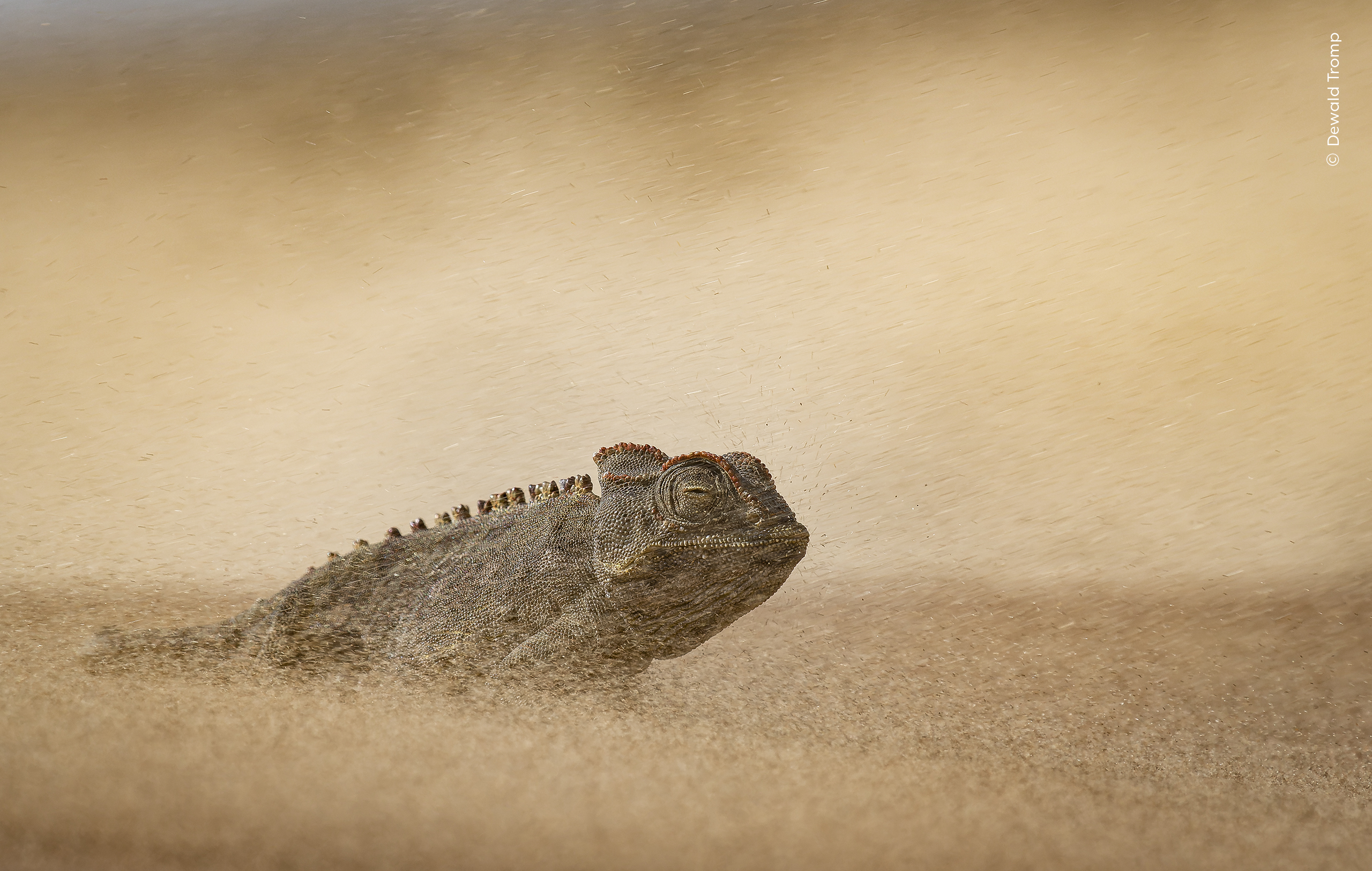
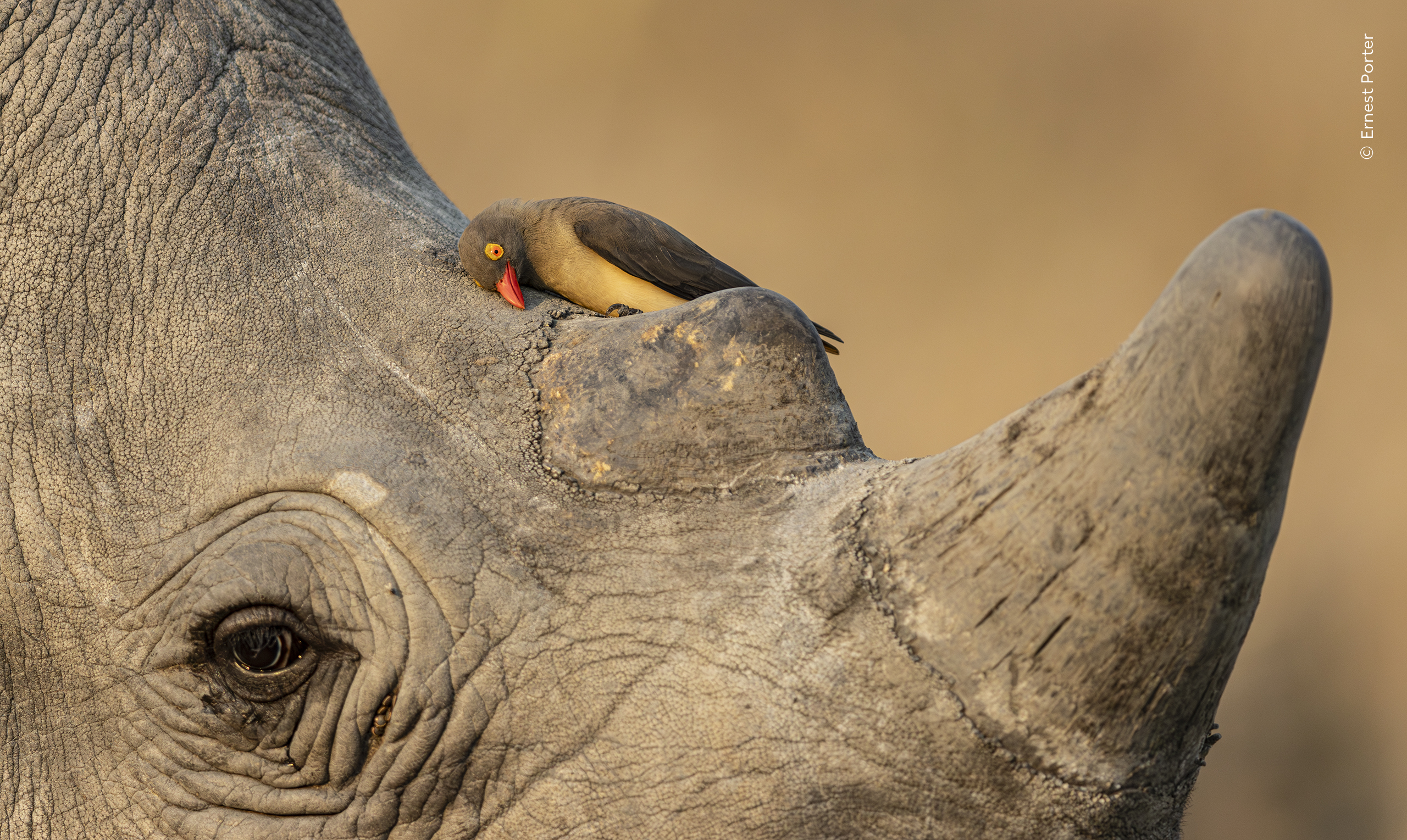
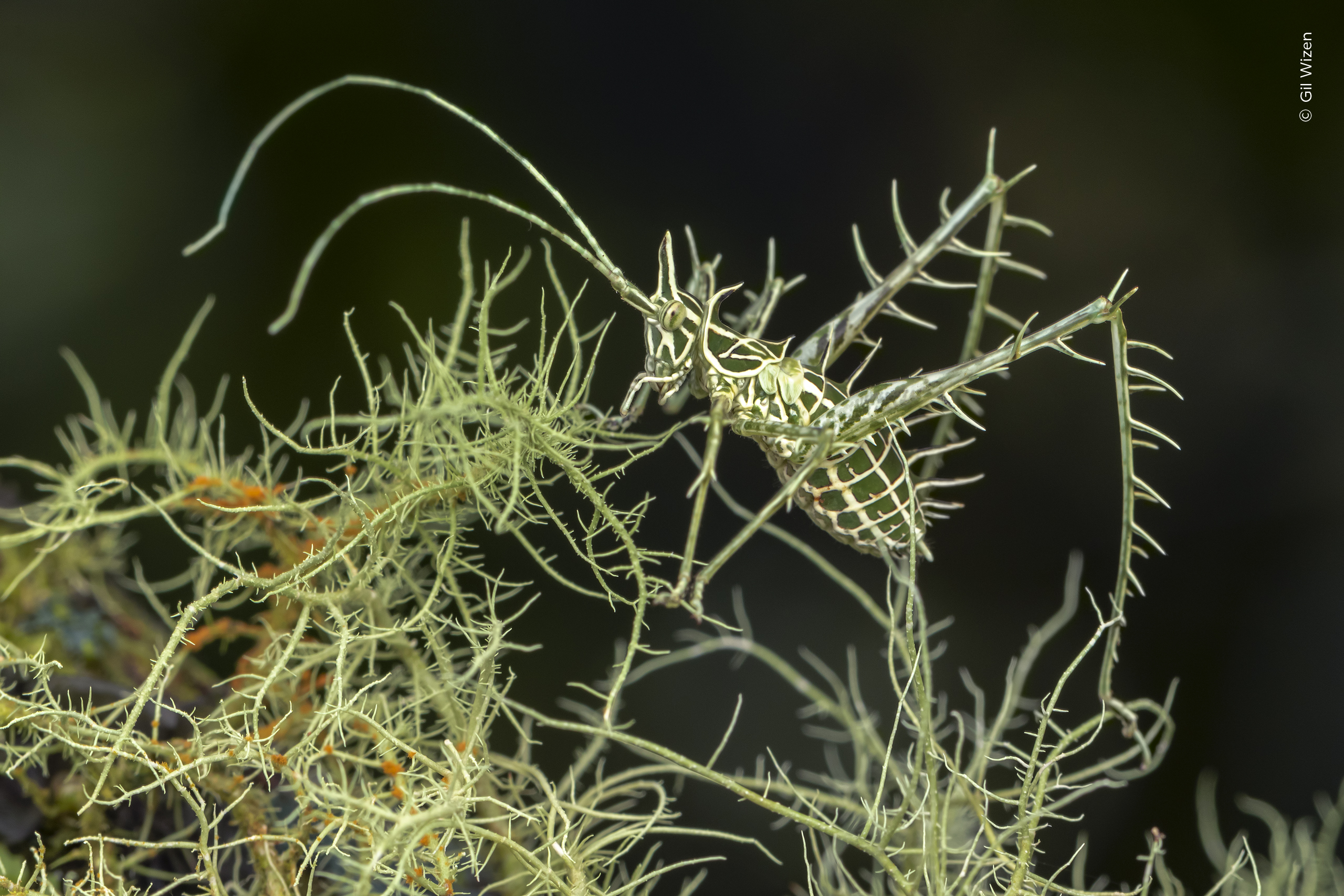
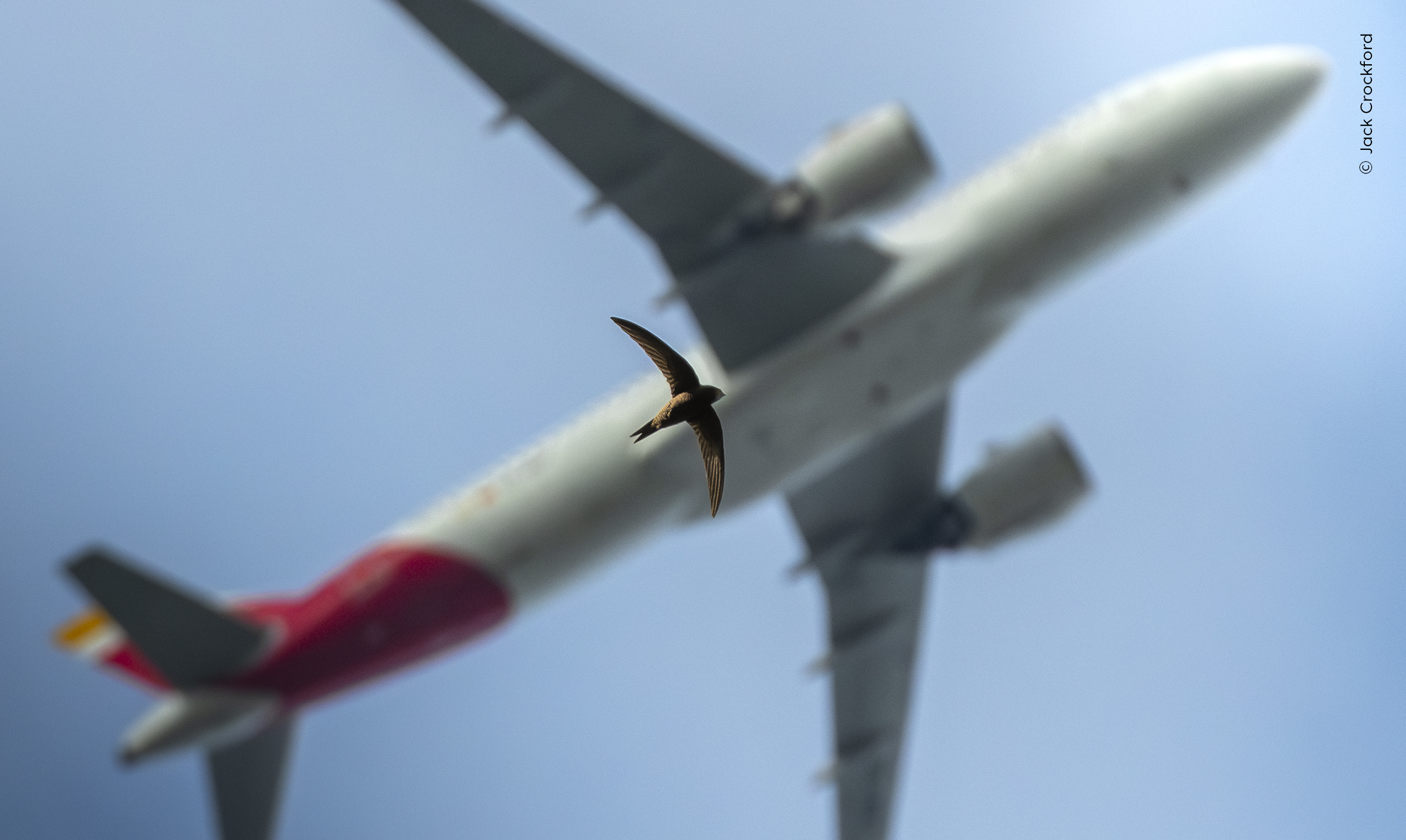
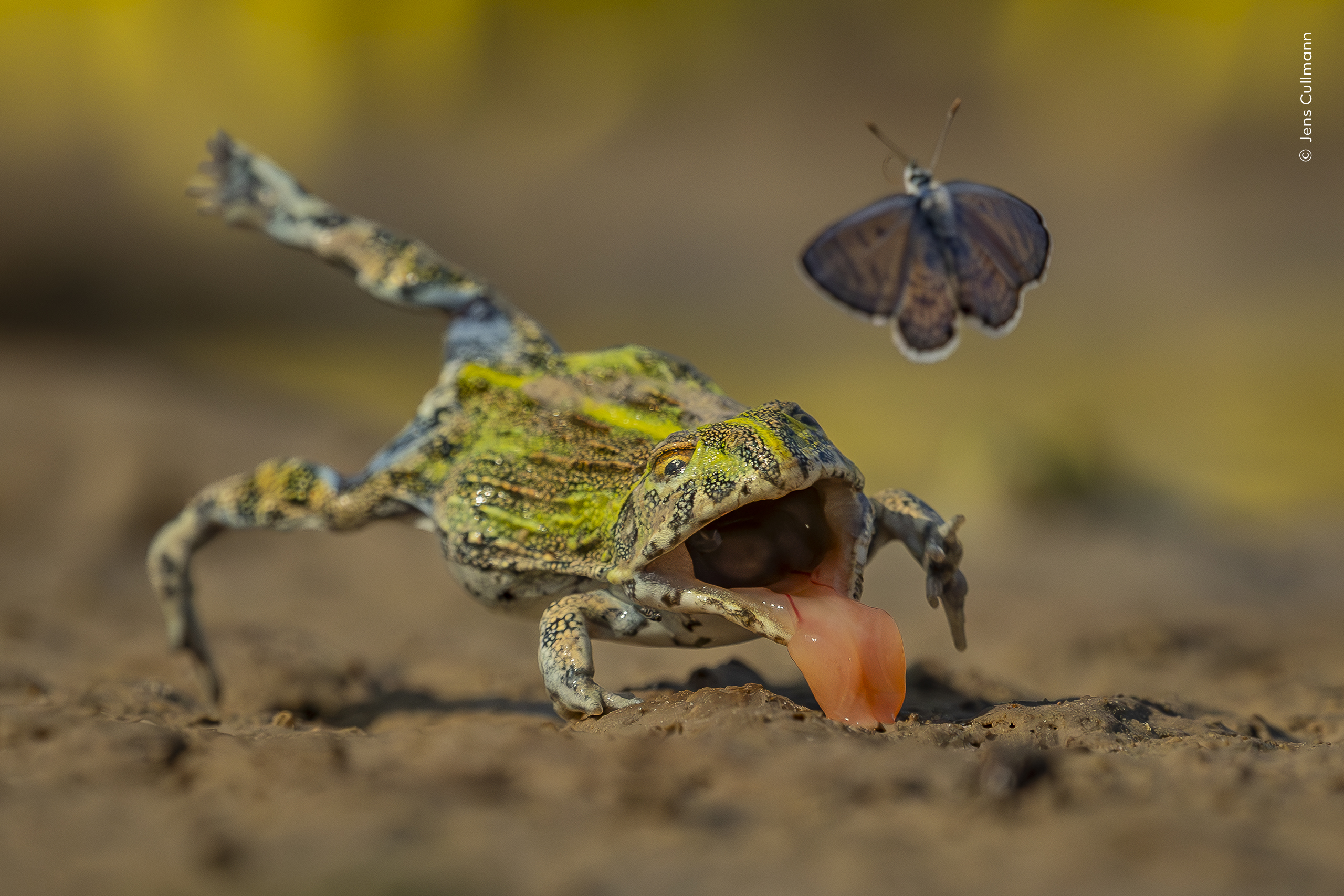
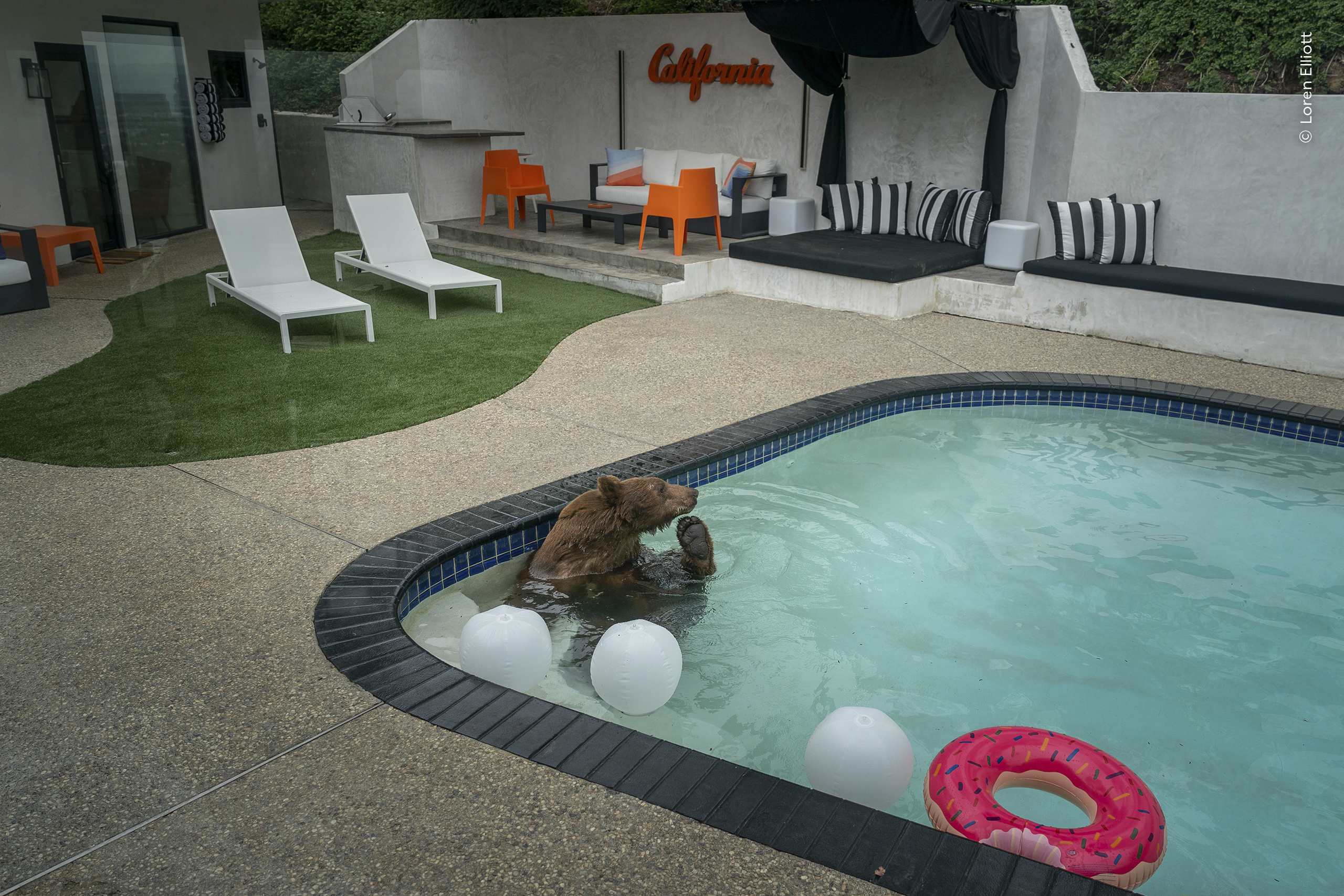
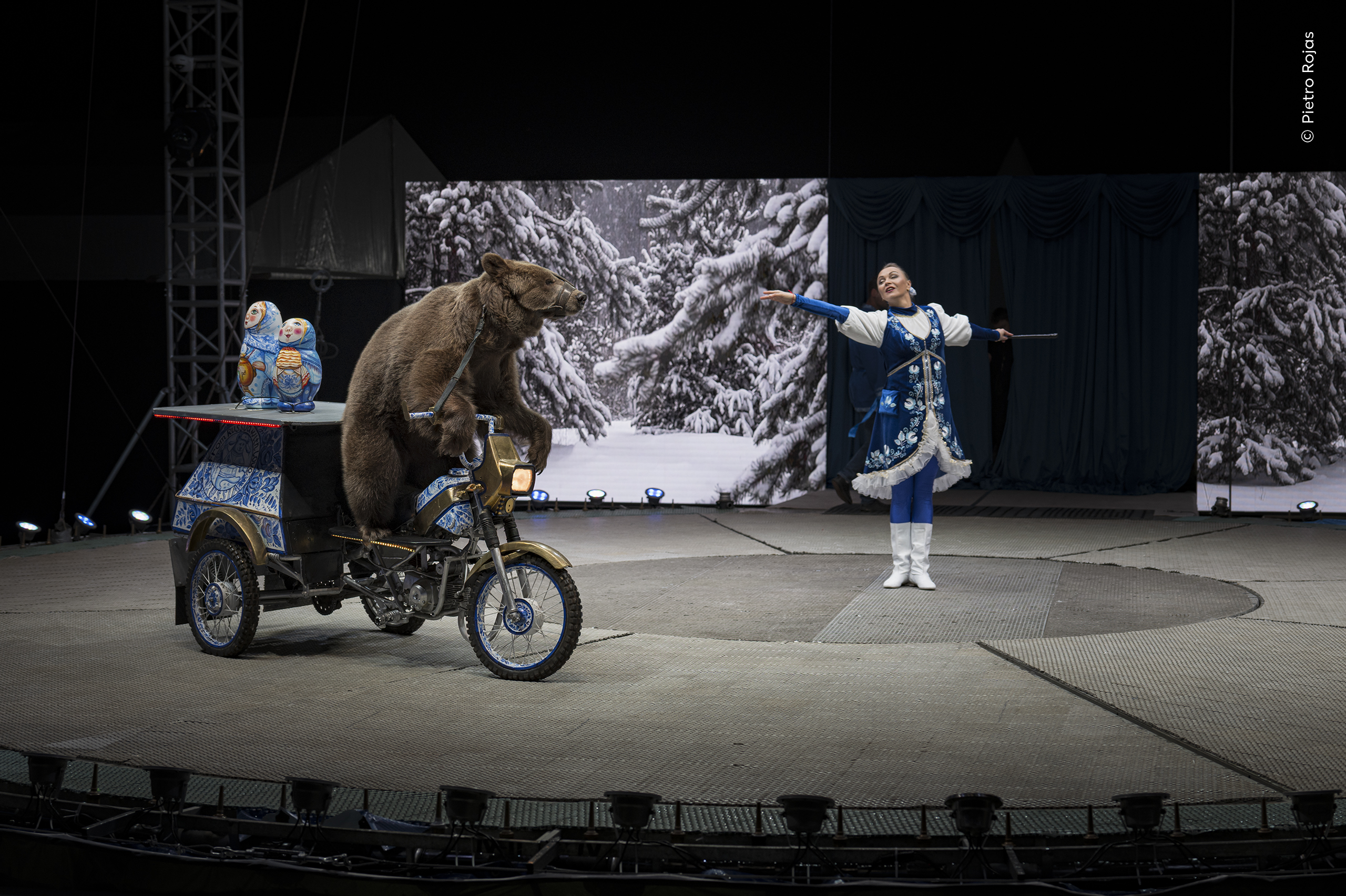
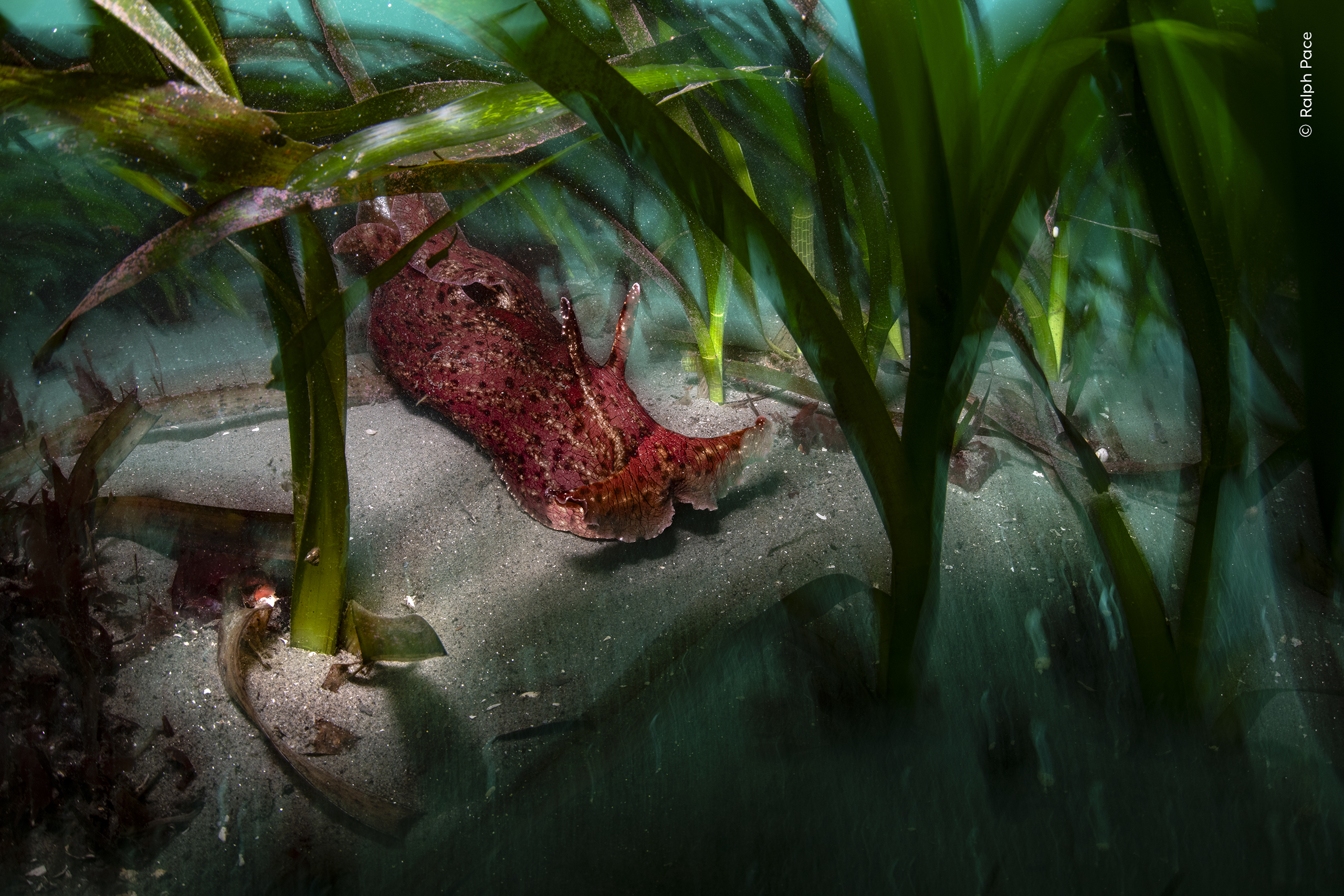
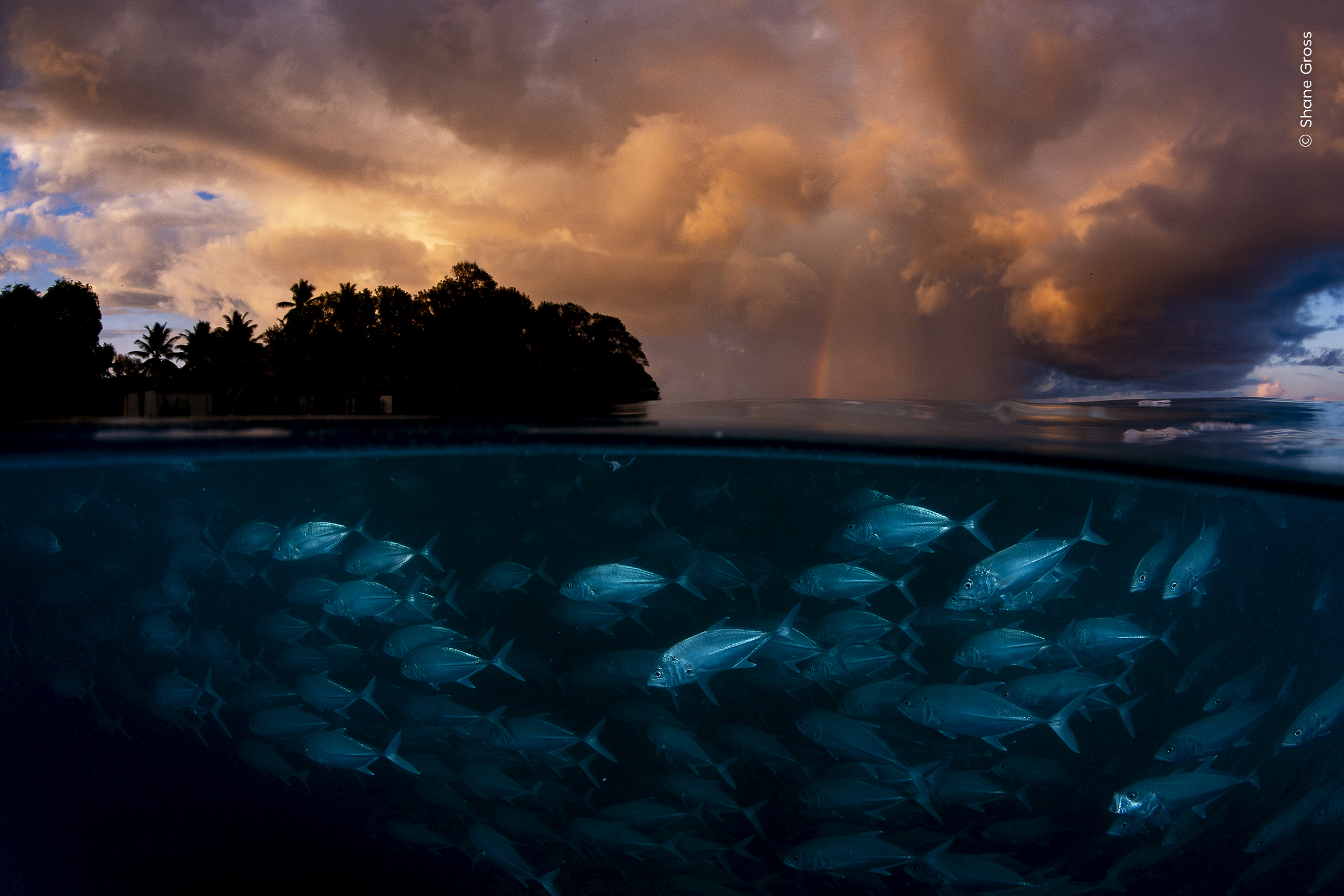
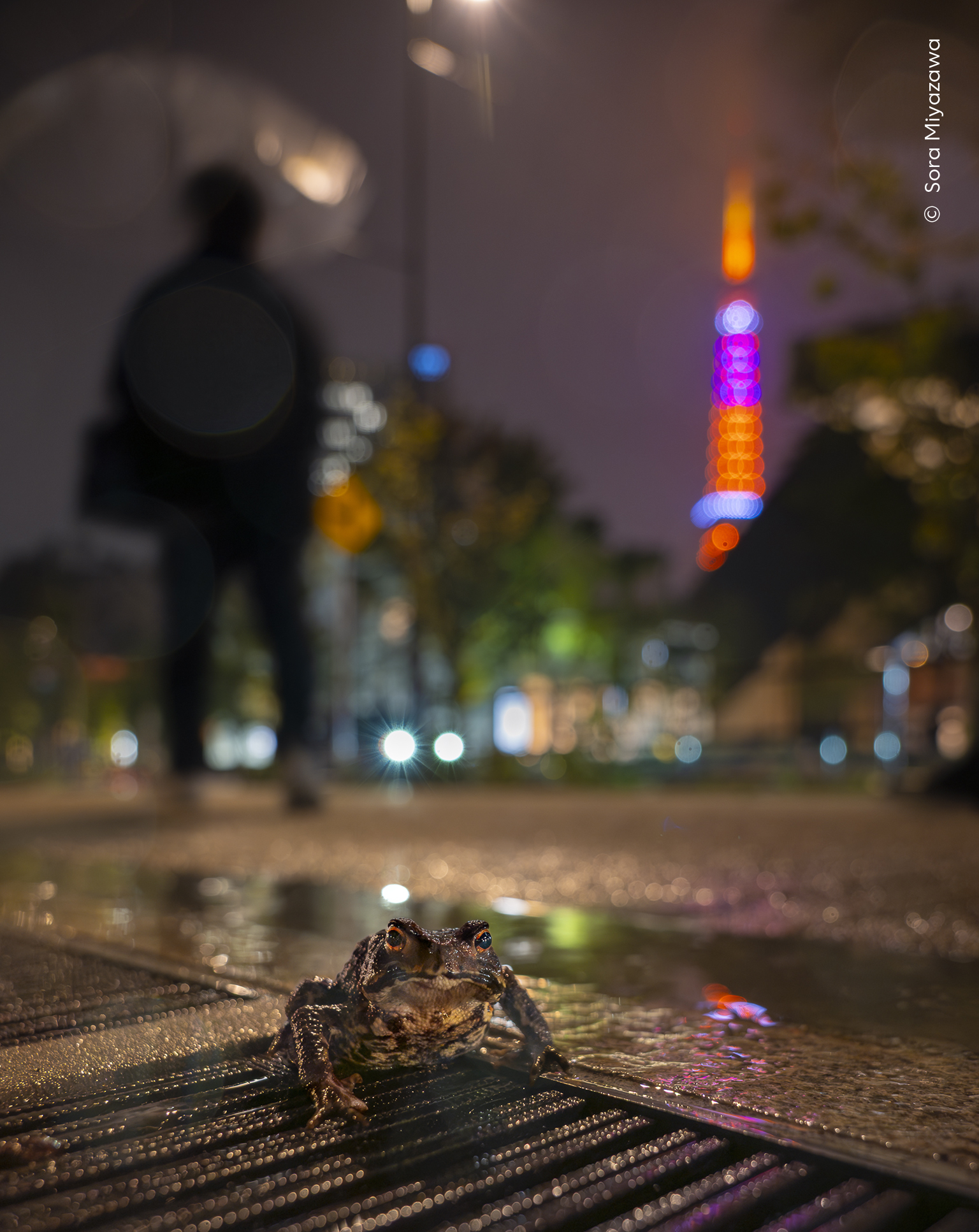
“Every year I think that the works submitted to our competition cannot be any better… and every year I see that I am mistaken!”, says Kathy Moran, chair of the WPY 2026 jury.
“These images pave the way to a deeper appreciation and to a deeper commitment to our natural world,” she adds.
The applications for the next edition open on 19 October and close on 3 December.
“At a time when nature is under more pressure than ever, these photographs remind us as much of what is at stake as of what is worth protecting,” notes Doug Gurr, director of the Natural History Museum.
According to the museum, the exhibition will also inform visitors about how the planet’s habitats are changing. In addition to the photos on display, information will be provided about some of Earth’s habitats, namely, how much of that region’s biodiversity remains, on a 0% to 100% scale. This measurement is made through the Biodiversity Intactness Index, created by the museum and adopted by the Convention on Biological Diversity as an official indicator to support decision-making.