Nearly three out of every four globally protected marine areas are polluted by sewage discharges, according to a new study.
According to the investigation by the Wildlife Conservation Society (WCS) and the University of Queensland (Australia), the problem is even more severe in the regions most fundamental to coral reefs and tropical marine life: between 87% and 92% of protected areas are being affected. It is estimated that sewage pollution in these zones could be up to 10 times higher than in surrounding waters that are not protected.
These alarming conclusions result from the assessment of more than 16,000 protected marine areas across the Middle East and North Africa, the Indian Ocean, the Coral Triangle (which spans Southeast Asia and the Western Pacific), Australasia and Melanesia, East Africa, and the Caribbean and Bahamas.
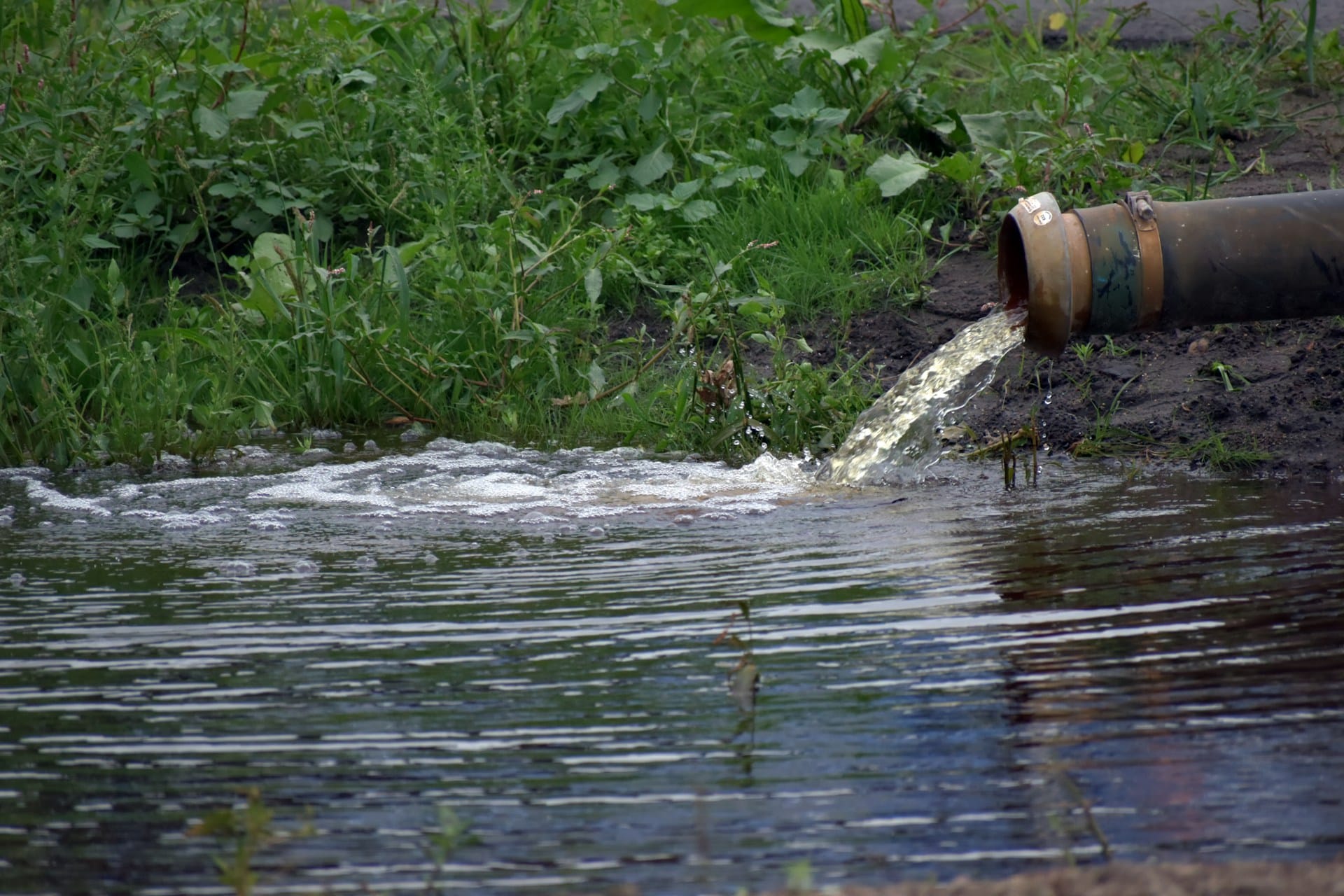
The WCS explains in a press release that sewage—household and industrial wastewater that flows through wastewater systems into rivers and seas—carries nutrients, pathogens and chemicals that have negative impacts on important coral reefs and seagrass meadows and also affect coastal ecosystems.
Studies have already shown that sewage pollution is associated with the decline of coral reefs worldwide, harmful algal blooms, and even Alzheimer’s-like diseases in dolphins.
In 2022, more than 190 countries adopted the Kunming-Montreal Global Biodiversity Framework, one of its major objectives being to protect 30% of the world’s terrestrial, marine, freshwater, and coastal habitats by 2030. However, the authors of this article published in the journal ‘Ocean & Coastal Management’ warn that these efforts to protect more and more areas of the ocean are failing in one crucial aspect: protected marine areas cannot fulfill their role if they continue to be contaminated by pollution.
“What we found was impressive,” says David Carrasco Rivera, who, along with Amelia Wenger, co-authors the study.
“By using data on global pollution, we mapped the exposure to wastewater of thousands of protected marine areas and made comparisons with nearby unprotected waters,” he explains. “Region after region, the areas reserved for conservation were, in fact, more polluted than the areas without any protection,” he adds.
On the other hand, Amelia Wenger warns that even an “exemplary-managed” protected area does not provide biodiversity and people benefits if it remains exposed to sewage pollution that is discharged into the seas or the rivers that eventually drain into them.
“We cannot put a barrier inside the protected area to stop the entry of pollution. The solution has to be found on land, upstream, and must be part of how governments plan and fund the protection of the ocean. Right now, that is not happening,” the researcher says.