Exposure to high levels of ultraviolet radiation during short periods can cause severe DNA damage in tadpoles, compromising their development and contributing to the global decline of amphibian populations. The conclusion comes from a study conducted by researchers at the University of Queensland, in Australia.
Published in the scientific journal Journal of Experimental Biology, the work shows that it is not only the total amount of ultraviolet B (UVB) radiation received that influences biological impacts, but also the intensity with which that radiation reaches the organisms.
“We found that it was not just the total UVB dose that mattered, but also the intensity of exposure, which overwhelmed cellular repair mechanisms and left residual damage in the DNA,” explains Niclas Lundsgaard, an aquatic ecologist and the study’s lead author.
According to the researchers, tadpoles subjected to short but intense exposures to UVB suffered about 50% more DNA damage than those exposed during longer periods at lower radiation levels, although both groups received the same total UVB dose.
Damage accumulates more quickly
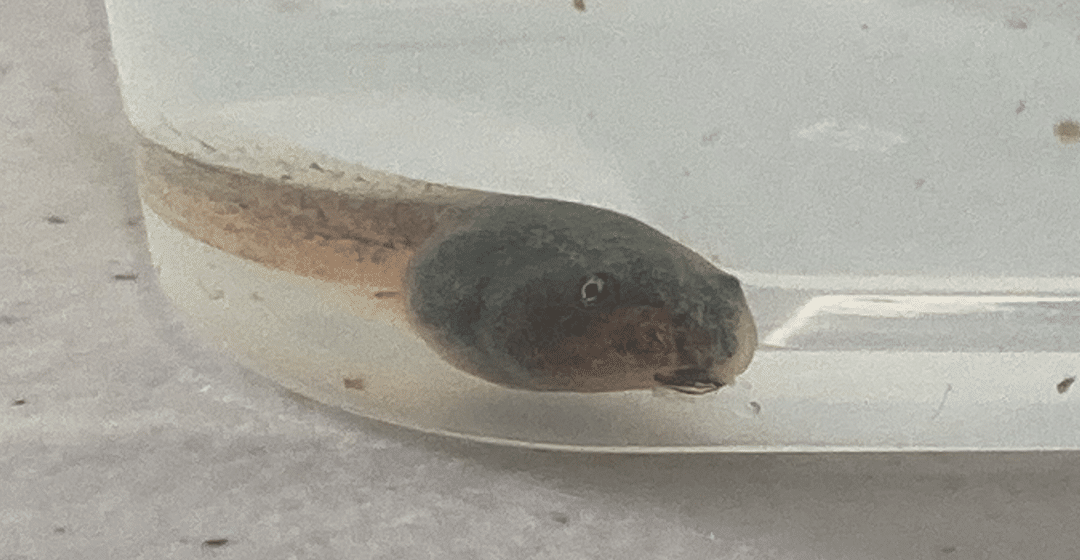
The investigation focused on tadpoles of the Australian species Limnodynastes peronii, known as the striped swamp frog. In a laboratory setting, the scientists divided the animals into two groups: one was exposed to UV radiation equivalent to the intensity recorded at noon, for a short period, while the other received half that intensity for twice as long.
The results showed that the more intense exposure caused the accumulation of genetic damage three times faster, and that part of this damage persisted beyond the exposure period.
“Traditionally, it was assumed that, receiving the same total amount of radiation, the effects would be similar. However, we found that high-intensity exposure was significantly more harmful,” says Lundsgaard.
Smaller tadpoles are more vulnerable
The study also identified that smaller individuals showed greater sensitivity to UVB radiation, accumulating more DNA damage than larger tadpoles.
The researchers warn that such lesions could affect the animals’ growth, hinder metamorphosis to the adult stage, or even cause their death.
Environmental changes can worsen the problem
The finding comes at a time when scientists are trying to better understand the multiple factors responsible for amphibian declines in various regions around the world. Climate change, changes in cloud cover patterns, habitat degradation, and increasing exposure to solar radiation are pointed to as potential threats.
For the authors, the results suggest that episodes of particularly intense UV radiation may pose a higher risk than previously estimated for amphibians and possibly for other groups of animals.
“Understanding these mechanisms in frogs raises new questions about the impacts of ultraviolet radiation on other species, an area that deserves further investigation,” concludes Lundsgaard.
Amphibians are considered important indicators of ecosystem health, so their increasing vulnerability may reflect broader environmental changes with consequences for biodiversity.