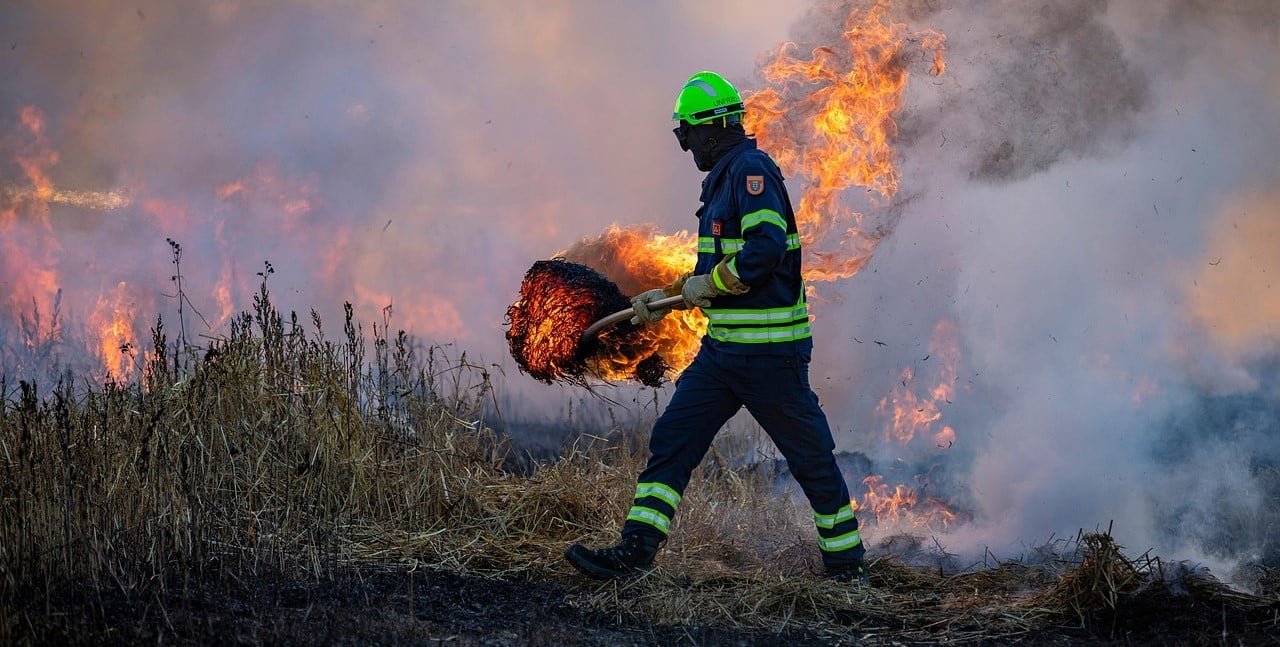
Australian researchers warn that there is still much to discover about the risks of toxic smoke and the best ways to protect those who fight fires.
We can—and must—do more to protect firefighters from the harmful effects of smoke from wildfires. This is the main Conclusion of a team of Australian researchers who analyzed existing studies on the health impacts of smoke and the mitigation strategies available.
The aim was to answer questions raised by the firefighters themselves about the risks they are exposed to and to contribute to improving on-the-ground safety guidelines.
The scientific review identified several areas of concern, including the type of protective equipment that should be used, how it should be maintained, the direct health effects of smoke and potential long-term impacts.
According to the researchers, there are already studies that document cardiac and respiratory risks, as well as an increased likelihood of developing certain types of cancer due to prolonged smoke exposure.
However, important knowledge gaps still exist, notably regarding the best way to manage and decontaminate protective equipment and the effects of new firefighting practices, such as the management of fires in electric vehicles and contact with modern flame retardants.
The team contends that understanding these risks and investing in effective preventive measures is essential to ensure that firefighters — often at the frontline of climate-related catastrophes — can carry out their work safely and with less long-term health impact.