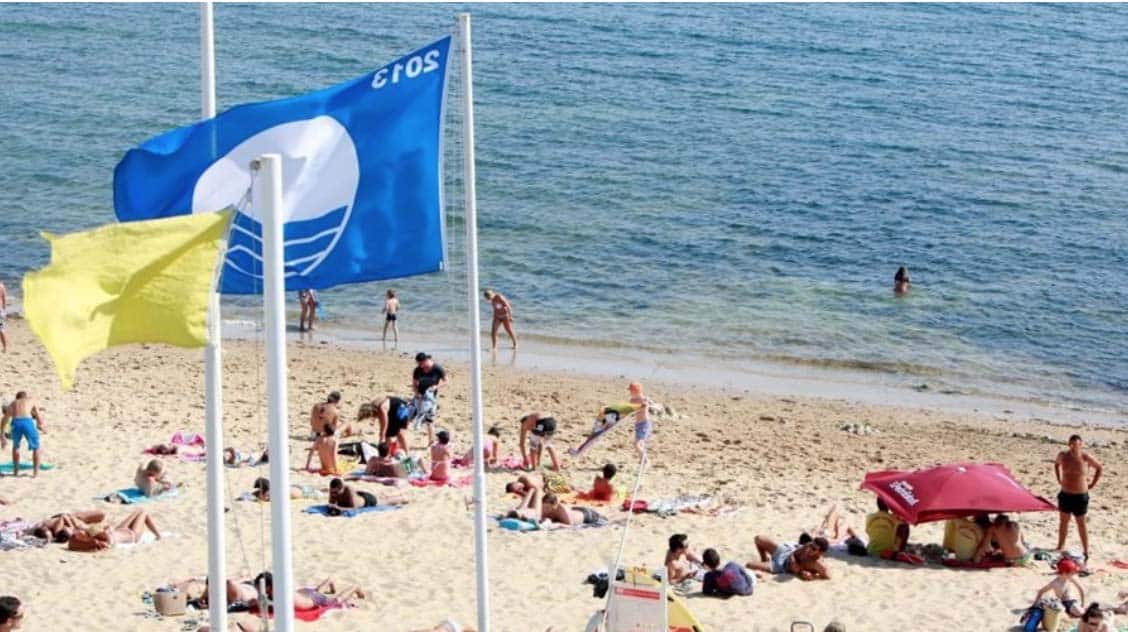
As summer begins, many people decide to take holidays and recharge their batteries. While relaxation is always welcome, it is important not to overlook behaviors that, although common, can be harmful to the environment.
To help everyone seeking to reduce their individual footprint and raise awareness among family, friends and colleagues during this time of year, Goparity, a platform for impact finance, has gathered three tips to consider:
1. Choose sunscreens less harmful to the environment: A first conscious step can be to check labels and choose products that contain the fewest chemicals. Several sunscreens have microplastic particles in their composition that contribute to thickening or improving their appearance, also acting as UV filters that are cheaper. When you dive into the sea after applying these sunscreens on your body, the microplastics end up released directly into the ocean, harming the balance of the ecosystem. Moreover, it is known that more than 3,500 popular sunscreen products still contain chemical substances, such as oxybenzone and octinoxate, highly harmful to ecosystems like coral reefs.
2. Opt for a conscious, local, and seasonal diet: From the foods you eat to the way they are transported, more sustainable choices can be made. It is important to choose thermally insulated and reusable bottles or containers whenever possible. These are more cost-efficient, in preserving the temperature of the water and better for the environment; the same can be said about how you transport and store the foods consumed at the beach, such as sandwiches or fruit—the food brought from home in containers that can be washed and reused is preferable to relying on ready-made meals, packaged in single-use containers. Additionally, opting for seasonal foods produced in Portugal, such as Algarve oranges or Fundão cherries, will not only contribute to the local economy but avoid the carbon emissions of transporting foods from other countries and continents and the energy costs of conservation in freezers.
3. Seek to reduce your personal ecological footprint: The transport chosen and the way homes are cooled are two good starting points. Home climate control can weigh heavily on the environmental footprint of each person. Despite improvements in recent years, Portugal remains behind the European average regarding the energy efficiency of buildings, so you may prioritise natural ventilation and energy-efficient equipment, such as fans. When it comes to trips to holiday destinations, it’s always good to try to avoid flying and, if possible, opt for public transport, such as trains, or carpooling, to make choices more environmentally friendly (and in many cases cheaper). According to data from ZERO, an intercity train or bus trip between Lisbon and Porto has a footprint of 3.8 kg CO2 per person and 4.6 kg CO2 respectively, whereas making the same journey alone in a diesel car would weigh in at 50.2 kg CO2 emissions.
Beyond these individual behaviours that have a meaningful impact when reproduced at scale, Goparity calls on all companies and organisations, taking into account their collective impact, to consider how they can minimise their environmental footprint. Goparity’s main mission is the democratisation of access to sustainable finance, linking companies and individuals who want to invest in projects with a positive impact on people and the planet.
Goparity has already enabled more than 35 million euros in investments by more than 45,000 registered members. The projects funded through the platform have positively impacted around 89,000 people, created almost 5,000 jobs and contributed to avoiding the emission of 25,000 tonnes of CO2 into the atmosphere each year.