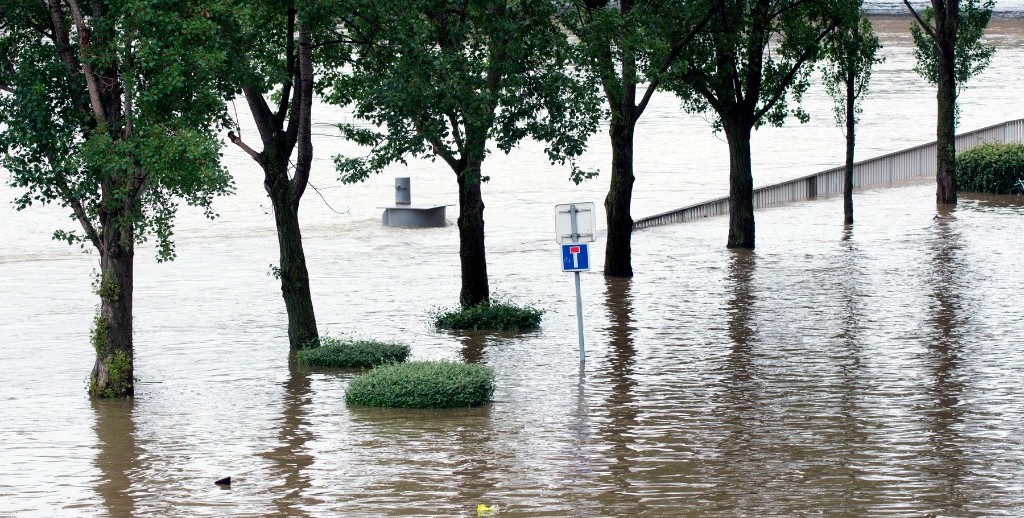
The Ministry of Environment and Energy will make around 4.2 million euros available for a new set of interventions aimed at the recovery and rehabilitation of areas affected by a succession of severe weather events that hit Portugal in early 2026 and caused floods, landslides, rockfalls, damage to waterways and strong erosion and destruction in several coastal areas, according to a press release.
According to the same source, of this amount, almost 3.2 million euros are allocated to 23 municipalities for recovery interventions in watercourses and along the coast, and 1 million euros to APFF – Administração do Porto da Figueira da Foz, S. A., for dredging in the Mondego River estuary, necessary following the storms that affected its hydrographic basin.
The municipalities covered by this set of supports are Albufeira, Alcoutim, Aljezur, Anadia, Baião, Belmonte, Castro Marim, Ferreira do Zêzere, Fronteira, Lagoa, Lagos, Manteigas, Marvão, Mealhada, Nelas, Portalegre, Portimão, Santa Comba Dão, Sever do Vouga, Silves, Tomar, Trofa and Vendas Novas.
The interventions form part of the Government’s response to the damage caused by adverse weather conditions that affected different regions of the country and complement the supports already mobilized for the territories covered by the calamity and contingency situations.
In the wake of Storm Kristin, on January 28, and the bad weather that followed in February, the Government adopted a set of exceptional measures to support the recovery of the territories, including the reconstruction and rehabilitation of environmental heritage and emergency interventions in environmental infrastructures.
This will be one of the last groups of municipalities to begin receiving support from the Environmental Fund for recovery and rehabilitation of the coastline, slopes, waterways and water resources affected by the 2026 weather events. This support continues the response to damages identified by the municipalities and competent authorities and allows moving forward with interventions deemed a priority for the recovery of the territories.
For the Minister of Environment and Energy, Maria da Graça Carvalho, “it is essential to complete the recovery of the affected territories. This has been the commitment we have assumed since the very beginning: to be on the ground, to work in close coordination with the municipalities and to ensure that the identified needs have a concrete and adequate response to the reality of each territory.”
“Over the past months a process of damage assessment and definition of priority interventions has been developed, taking into account the specificities of the affected areas. We can now move forward with implementing these measures and continue the recovery process,” adds Maria da Graça Carvalho.