In the most comprehensive global analysis of genetic diversity ever conducted, an international team of scientists concluded that genetic diversity is being lost worldwide, but conservation efforts are helping safeguard species.
The study of reference, published in the scientific journal Nature, was led by Catherine Grueber, from the University of Sydney (Australia), and by a team of researchers from countries such as the United Kingdom, Sweden, Poland, Spain, Greece and China.
The data span more than three decades (from 1985 to 2019) and analyze 628 species of animals, plants and fungi across all terrestrial and marine kingdoms of the Earth.
Two-thirds of the populations analyzed are experiencing a decline in terms of genetic diversity, but conservation efforts aimed at improving environmental conditions, increasing populations and introducing new individuals for reproduction — for example, habitat restoration and animal translocations — are maintaining and, in some cases, increasing the genetic diversity of populations.
In a statement, Grueber says that “there is no way to escape the fact that biodiversity is declining at an unprecedented rate worldwide — but there are glimmers of hope. Conservationists’ actions are reversing these losses and helping to create genetically diverse populations that can face future challenges.”
The team of scientists used innovations in genetic analysis to gain new insights from studies conducted decades ago. By creating a common measurement scale, they were able to compare across studies, even when different methodologies were used and genetic data were collected in different ways.
“This kind of global, comprehensive study would not have been possible even ten years ago,” says Grueber.
“Advances in genetics and statistics have given us new tools that mean we can continue to learn from studies long after they have been conducted — a huge advantage when we are analyzing populations and trends on a global scale,” she adds.
Conservation efforts that can improve or maintain genetic diversity include translocations — in which animals are moved between populations to benefit a species or an ecosystem — habitat restoration, population control — in which some individuals are removed to improve the conditions of those remaining — and the control of wild species or pests.
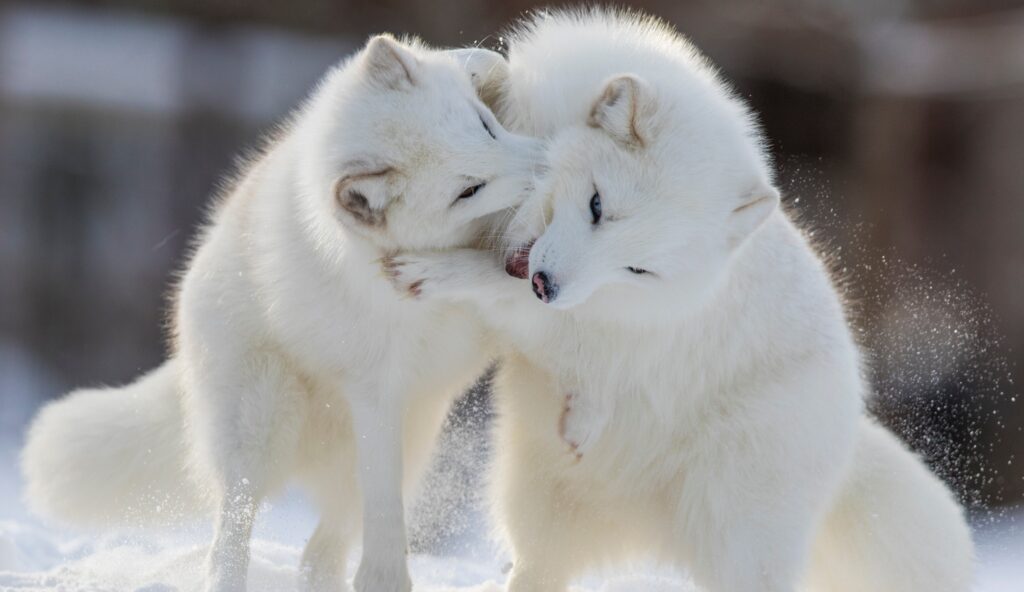
The successes include the reintroduction of the golden rabbit in areas of Western Australia, the release of Arctic foxes from captive-breeding programs in Scandinavia, the translocation of greater prairie chickens to existing populations in North America and the effective treatment of diseases in black-tailed prairie dog populations, which improved the health of colonies in central-northern Montana, USA.
The authors hope that the results will encourage further conservation efforts and lead to greater protection for populations that are currently unmanaged.
Co-author Robyn Shaw, from the University of Canberra, concludes that, “despite the successes, we cannot become complacent. Two-thirds of the populations analyzed face threats and, among these populations, less than half have received any form of conservation management. It is vital that we learn from what is working so that we can protect species in the long term.”