The scientific exhibition “Fish Intelligence: Behavioral Complexity in an Underwater World” will be inaugurated at 5:30 p.m. on June 11, at the King D. Carlos Sea Museum in Cascais.
An initiative of the Faculty of Sciences of the University of Lisbon (FCUL), through the MARE – Center for Marine and Environmental Sciences, the exhibition will be open to the public from June 12 to September 14. Admission to the inaugural session is free.
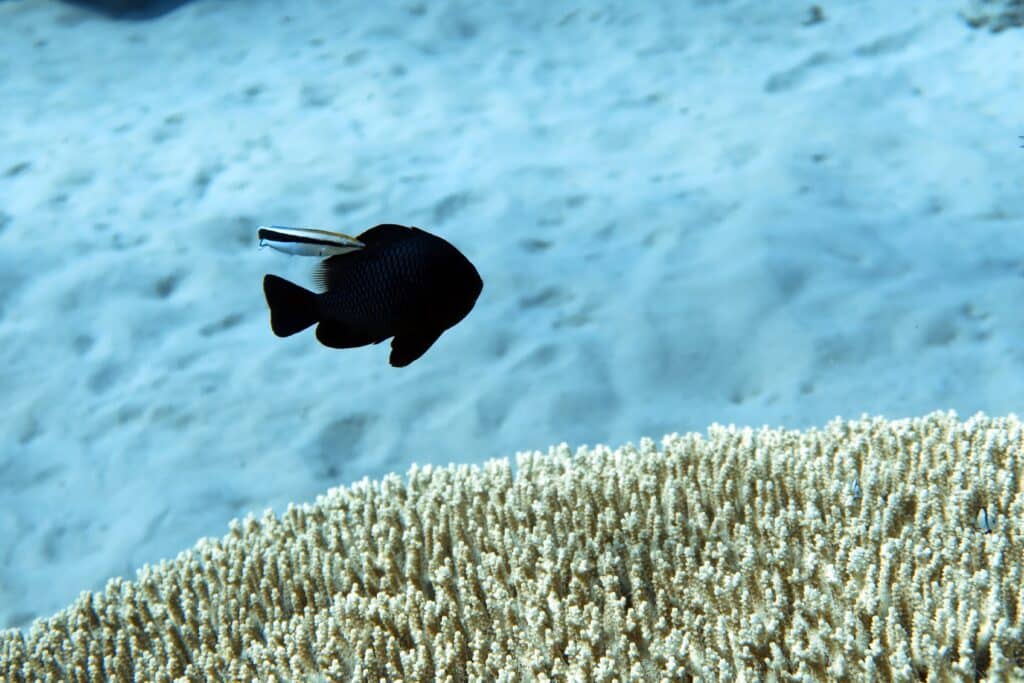
In a statement, FCUL explains that the exhibition invites visitors to discover the behavioral complexity of fish and to challenge preconceived ideas about animal intelligence, through the latest results from the scientific research conducted by MARE researchers.
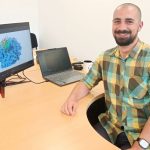
Coordinated by José Ricardo Paula, principal investigator of the MARE Laboratory of Behavioral Complexity and professor at FCUL, the exhibition presents seven panels with scientific information accompanied by original illustrations by biologist and illustrator Lia Neves, designed especially for this project.
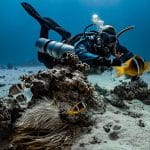
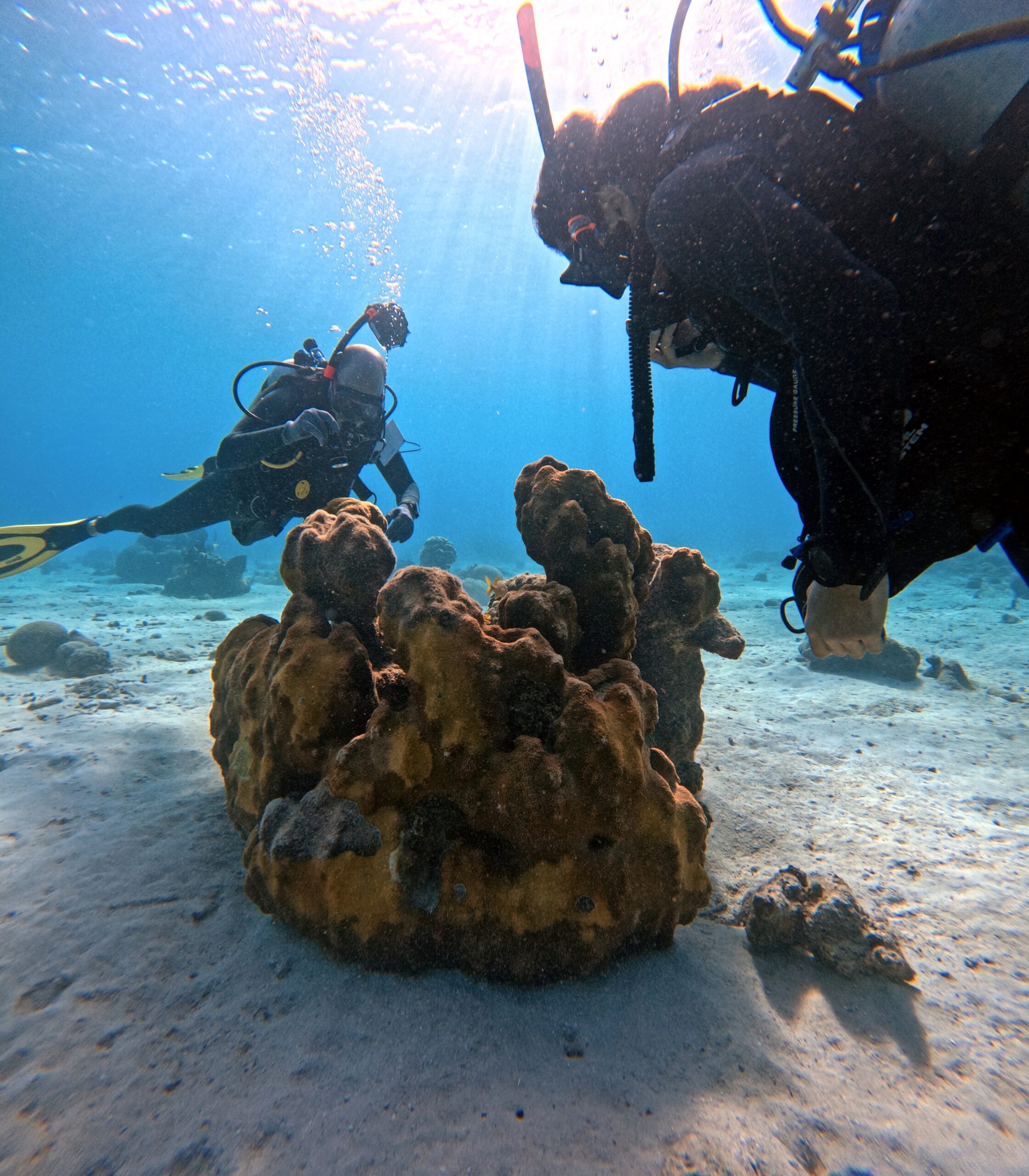
The exhibition route also includes a documentary by Vasco Pissarra, which shows different laboratory tests and fieldwork conducted in coastal areas to study the behavior of fish. FCUL adds that visitors will also be able to explore several 3D reproductions that highlight differences and similarities between brains of fish and those of other animal groups.
“This exhibition aims to break down prejudices about animal intelligence, while revealing that fish can exhibit complex behaviors and even resemble those of humans,” explains José Ricardo Paula.
The researcher and coordinator of the initiative says that “during the exhibition, visitors will discover similarities between the brains of fish and those of other animals, and learn how the researchers at MARE have studied animal behavior both at the Guia Maritime Laboratory and in coastal areas.”
The exhibition results from several research projects developed by MARE in recent years and aims to “bring the public closer to the science produced in Portugal, showing how the study of animal behavior contributes to a better understanding of marine biodiversity and cognitive processes in the natural world,” says the higher education institution.
The initiative is supported by the Cascais Municipal Council, the Luso-American Development Foundation (FLAD), the “La Caixa” Foundation, and the Foundation for Science and Technology (FCT).