From innovation in medicine to the energy transition, through territorial planning and the evolution of geographic data, the new agenda of the podcast ‘DNA of Engineering’, from the Ordem dos Engenheiros Região Sul (OERS), highlights the role of engineering in areas critical to the future of society. Between July and September, four new episodes bring together leading experts to show how different engineering specialties respond to concrete daily challenges, the organization said in a press release.
According to the same source, the episode schedule resumes on July 29 with a conversation devoted to biomaterials and their transformative potential in medicine, guided by the question “How are biomaterials revolutionizing medicine?”
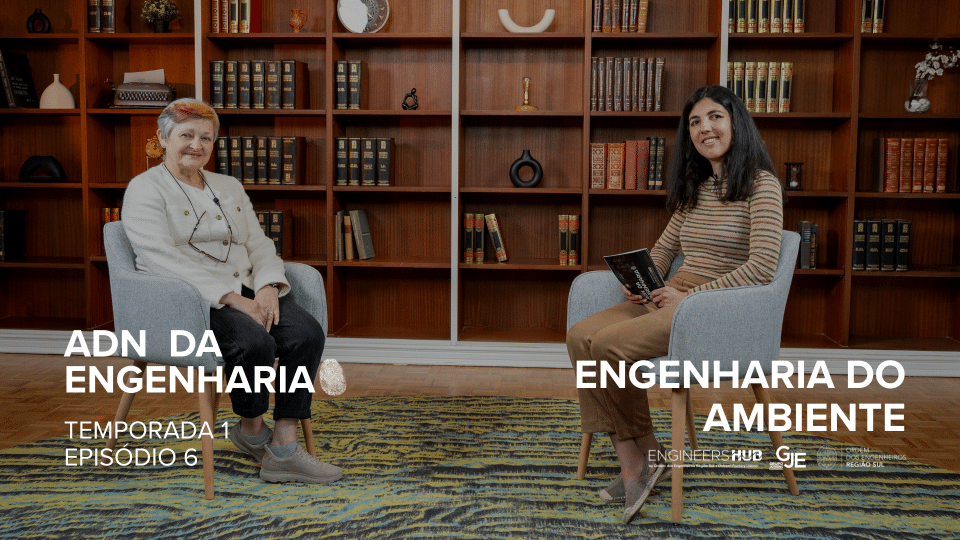
The topic will feature João Paulo Borges, professor and researcher at NOVA School of Science and Technology, a specialist in Materials Engineering. On August 12, the debate shifts to Environmental Engineering, with a reflection on “What is the importance of strategic environmental assessment in territorial planning,” voiced by Maria do Rosário Partidário, a full professor at Instituto Superior Técnico and a specialist who joined the Independent Technical Commission for the evaluation of the New Airport.
On August 26, Mechanical Engineering will be in the spotlight with an episode dedicated to green hydrogen and its role in the energy transition, based on the question “Is green hydrogen close to reality or distant promise?” The conversation will feature Pedro Amaral Jorge, president of the OMIP Group. On September 9, the debate will be dedicated to Geospatial Engineering, with a reflection on the future of geographic data and smart maps, under the banner “Are we teaching maps to think?”, with Edgar Barreira, a specialist in geographic information systems at Esri Portugal.
With a biweekly schedule and episodes of up to 30 minutes, ‘DNA of Engineering’, promoted by the Young Engineers Group of the OERS, seeks to bring engineering closer to citizens, demystifying the various specialties and showing their direct impact on everyday life. The podcast can be followed on Spotify, YouTube and Apple Podcasts.