Controlled burns used to reduce the load of vegetation fuel and to lower the risk of wildfires may be causing a significantly higher number of deaths of small animals than is currently recorded, according to a new study conducted by researchers at the University of Adelaide.
The investigation concluded that most mortality traces disappear within just a few days after the fires, which may be leading to an underestimation of the true impact of these operations on wildlife.
The study, published in the scientific journal Australian Journal of Zoology, analyzed ten controlled burns conducted between 2022 and 2024 in the eucalyptus forests of the Mount Lofty Ranges region, in South Australia.
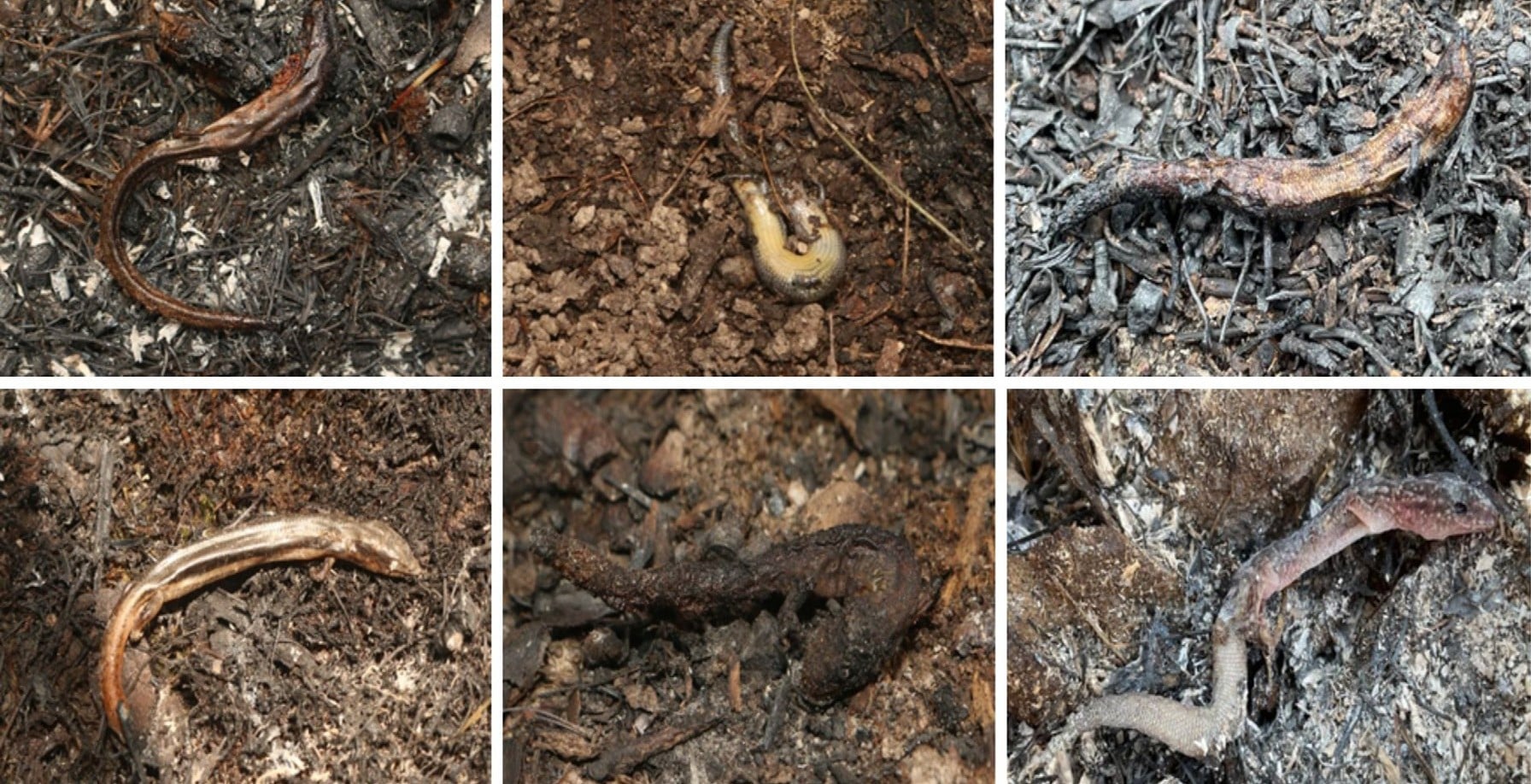
During fieldwork, the researchers identified 27 dead lizards belonging to four different species. More than half of the recorded carcasses were found just 28 hours after the fires were extinguished.
However, after 12 days, all traces had disappeared.
According to the authors, the rapid removal of carcasses by birds, foxes, cats, and various invertebrates makes it difficult to accurately assess mortality when surveys are conducted several days after the fires.
“The timing of monitoring is crucial,” says Shawn Scott, a researcher at the School of Biological Sciences at the University of Adelaide and the lead author of the study.
“If surveys are conducted days or weeks after the burn, there is a high risk of drastically underestimating the number of animals killed, compromising understanding of the fire’s effects on biodiversity and animal welfare,” he adds.
Impact could extend to other species
Although the investigation focused specifically on lizards, scientists believe the same phenomenon could affect assessments of mortality in other groups of small-bodied animals, including mammals, amphibians, and invertebrates.
The authors therefore argue that fauna assessments should be conducted in the hours immediately following burns, allowing for the collection of more rigorous data on their ecological effects.
“Our recommendation is that surveys be conducted right after the controlled burns. This will allow a better understanding of the impact on other species, including small mammals, frogs, and invertebrates,” says Scott.
Researchers challenge perceptions about controlled burns
The research also challenges some ideas commonly associated with controlled burns, which are typically considered less harmful to wildlife due to their lower intensity compared with large-scale wildfires.
For Sophie Petit, a co-author of the study, it is important to recognize that these interventions continue to pose a direct risk to animals.
“Controlled burns kill animals, just like any other fire,” states the researcher.
“It is illusory to think that all animals can escape. Regardless of it being a low-intensity fire, it is still fire,” she adds.
Need for more data on ecological costs
Controlled burns are widely used in southeastern Australia as a forest management tool, aiming to reduce the amount of vegetation fuel and limit the severity of future fires.
However, the researchers warn that there is still scant scientific information about the number of animals killed during these operations, largely because mortality surveys are rarely conducted immediately after the fire.
According to Shawn Scott, the absence of robust data makes it difficult to evaluate the balance between the benefits of burns for fire prevention and their costs for biodiversity conservation.
The authors also note that the effectiveness of controlled burns in reducing the risk of large fires remains a topic of scientific debate, underscoring the need for more comprehensive studies on their environmental impacts.
Rapid monitoring could become a recommendation
The team hopes that the results will encourage land-management authorities to incorporate rapid fauna surveys into controlled-burn programs.
According to the researchers, this practice would yield a truer picture of the fire’s effects on Australian wildlife and contribute to management policies that reconcile fire prevention with biodiversity protection.
As controlled burns tend to become more frequent in several regions of southeastern Australia, the authors consider that the immediate collection of data on animal mortality will be essential to assess the true impact of these interventions on ecosystems.