The Circular Economy is one of the major pillars of efforts to make human existence on planet Earth more sustainable. It aims to be a break with the traditional linear economic model of “extract, produce, use, throw away.”
Without this circularity, materials and other resources will continue to be intensely extracted from natural ecosystems, degrading them and pushing ecological webs, communities and entire species ever closer to collapse and extinction, along with the ecosystem services that, whether we recognize it or not, we all depend on and that are fundamental to several major economic sectors.
Last January, the current Government approved the new Action Plan for the Circular Economy with a horizon of 2030 (PAEC 2030), meaning it should be realized in four years. The time window is short and the road ahead remains long, considering that in Portugal circularity is still residual; just look, for example, at the packaging recycling rates that stubbornly remain below the defined targets.
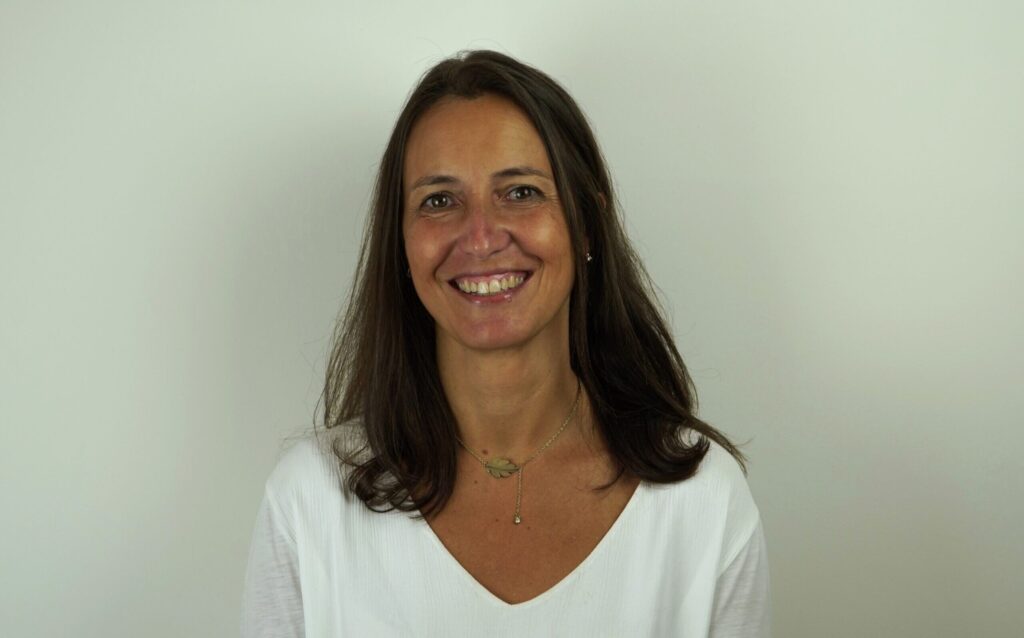
With the new PAEC 2030, what can we expect from the circularity movement in Portugal and what impacts can be anticipated for people and companies from now on? Luísa Magalhães, executive director of Smart Waste Portugal, explains what PAEC 2030 could bring anew.
At the beginning of January, after several years of waiting and with the previous plan having ended in 2020, the Government approved the new Action Plan for the Circular Economy, the PAEC, with a horizon of 2030. How does this new PAEC differ from the previous one? Are there significant improvements or points that fell short of expectations?
The Action Plan for the Circular Economy up to 2030 was finally approved on January 9. As of the date of this interview, the official document was still awaiting publication, but the expectation is that it will continue the previous plan, strengthening it with more effective monitoring, financing, and taxation instruments.
Compared to the previous plan, which played an important role in the initial mobilization of the different sectors and in integrating the circular economy topic into the national agenda, this new PAEC arrives in a more demanding context, both in terms of European targets and the growing pressure on natural resources and economic competitiveness. It is therefore expected to be more mature, with more concrete objectives, more robust indicators, and greater alignment with public policies and financial instruments.
The PAEC seeks to accelerate the transition to an economic model that decouples growth in resource consumption from waste production, in line with national and European commitments to achieve carbon neutrality by 2050. The plan’s framework itself recognizes that Portugal still faces challenges in efficiently using resources, reinforcing the urgency of this transition to more efficient, regenerative, and resilient models. It also highlights a focus on priority value chains, the promotion of circular cities and business districts, and the integration of circularity as a factor of competitiveness and innovation.
Nevertheless, it will be essential to ensure that this strategic ambition translates into concrete measures, notably through the simplification of processes, the creation of investment incentives, and the promotion of markets for secondary raw materials. The real impact of the PAEC will depend, above all, on its effective implementation on the ground.
This new PAEC originally had the horizon 2023-2027; public consultation closed in November 2024. After delays, it ended up set for 2025-2030. Could the waiting period between PAECs in some way hinder or complicate the country’s path in the Circular Economy, knowing that circularity here remains below what is necessary and desired?
The PAEC is a fundamental instrument to support and guide strategic decisions in the field of the circular economy, providing a clear framework for the actions of the different stakeholders. Still, the absence of a new plan during this period did not completely halt progress in the area. We can point, for example, to the creation of the Portuguese Circularity Cluster, led by Smart Waste Portugal and the CECOLAB – Collaborative Laboratory for the Circular Economy, which received recognition under the New Clusters of Competitiveness in February 2025.
Over the past years, many organizations, including Smart Waste Portugal’s Members, have maintained a strong commitment to the circular economy, recognizing it as an essential pillar to ensure competitiveness and long-term sustainability. Entities continued to invest in circular solutions, driven not only by growing environmental awareness but also by economic, regulatory, and market factors, including European Union requirements, rising raw material costs, and the need to strengthen the resilience of supply chains.
Despite these efforts, we recognize that the absence of an updated plan may have contributed to some fragmentation and less coordination among initiatives, as well as greater uncertainty about the future framework. The existence of a clear national strategic instrument is essential to guide investments, align public policies, and reinforce the confidence of economic actors.
In this context, it is crucial that this new plan also contributes to simplifying processes that often block or delay circularity initiatives in companies, notably at the level of declassification, valorization, and use of waste and by-products. The promotion of markets for secondary raw materials is a central element of this transition and constitutes one of the main challenges identified by our Members. It is hoped that the adoption of the new PAEC will create more favorable conditions for their use, reducing dependence on virgin resources.
How will PAEC 2030 help Portugal strengthen its efforts to mitigate the environmental and social impacts caused by centuries of a linear “extract–produce–use–dispose” economy?
PAEC 2030, in continuity with the previous plan, identifies structured actions at three levels: macro, meso, and micro, reflecting the need to act systemically and in an integrated way.
At the macro level, there are highlighted transversal initiatives related to the development of economic and fiscal instruments that incentivize circular practices, the creation and strengthening of financing lines, the promotion of education and training at different levels of schooling and sectors, the strengthening of research, development and technological innovation, as well as the establishment of partnerships and the promotion of ecodesign.
At the meso level, the document focuses on priority value chains with high potential for impact, namely electrical and electronic equipment, plastics, distribution and retail, the agri-food sector, construction, textiles, and tourism. These sectors are particularly relevant, both for the volume of resources they use and for the potential for valorization and innovation they present.
At the micro level, interventions focus on territories, notably through promoting more circular cities and business districts, encouraging industrial symbioses, resource optimization, and the creation of more sustainable local solutions.
It is also important to highlight the central role of monitoring, with the definition of general and specific indicators that will allow progress to be tracked and the impact of implemented measures to be evaluated. This monitoring capacity is essential to ensure policy effectiveness and to adjust strategies whenever necessary. By promoting more efficient use of resources, preventing waste generation, valorizing materials, and developing new business models, PAEC will contribute not only to reducing environmental impacts but also to generating economic value, creating skilled jobs, and strengthening the country’s resilience.
Is PAEC really important so that the country can better align with the commitments undertaken in areas such as climate change mitigation, biodiversity loss, and pollution?
PAEC is aligned with the main international and European commitments, namely the Sustainable Development Goals, particularly SDG 12 on Responsible Consumption and Production, as well as the European Green Deal and the European Union’s Circular Economy Action Plan.
The circular economy is recognized as a fundamental instrument to achieve carbon neutrality, since a significant share of greenhouse gas emissions is linked to the extraction, processing, and use of resources. By increasing material efficiency, extending product lifetimes, and promoting reuse and recycling, it is possible to significantly reduce these emissions.
At the national level, PAEC also coordinates with various strategic instruments, including areas such as climate action, agriculture, water and the sea, health and nutrition, energy, tourism, education, research and innovation, as well as waste management. This coordination is essential to ensure a coherent and integrated approach, avoiding duplications and maximizing the impact of public policies. Beyond environmental benefits, the circular economy plays a relevant role in strengthening economic competitiveness, reducing dependence on imported resources, promoting innovation, and creating new business and employment opportunities.
How is PAEC 2030 expected to affect companies and citizens? Are there some “growth pains” anticipated?
The transition from a linear model, based on “extract–produce–consume–dispose,” to a circular model, which ensures that resources remain in the economy with the greatest value and for the longest time possible, inevitably entails a significant change in behavior, both from companies and citizens. This change represents both a challenge and an opportunity.
On the side of companies, it will be necessary to rethink products, processes, and business models, integrating principles such as ecodesign, durability, reparability, and reuse. Entities that already adopt circular principles in transforming their business models, products, and processes demonstrate greater capacity to respond to rising regulatory demands and market changes. At the same time, this transition opens opportunities for innovation and value creation, notably through the development of new services, such as product-as-a-service models, repair and reconditioning solutions, and the valorization of waste as resources.
For citizens, this transformation translates into a significant change in consumption behaviors and habits, requiring greater awareness of product durability, resource reuse, and proper waste separation. However, for this change to be effective, it is essential to ensure available alternatives, appropriate incentives, and clear information that facilitates the adoption of circular practices.
In this context, and as foreseen in PAEC, it is essential to continue strengthening the capacity of companies, as well as the education and awareness of citizens. Municipalities play a central role, given their proximity to residents, through promoting increasingly circular cities and implementing solutions that facilitate this daily transition. Although there may be some initial challenges, this transition represents a strategic opportunity to build a more resilient, innovative, and sustainable economy.
With the new PAEC approved, what can we expect now? Will Portugal really get on track toward a circular economy, or is the road ahead still long?
Portugal has been making progress in the transition to a more circular economy, but we consider it necessary to accelerate this process. The challenges associated with resource scarcity, climate change, and economic competitiveness make this transition not only desirable but inevitable.
The approval of PAEC 2030 represents an important step, by providing a clear strategic framework and signaling the country’s commitment to this economic model. However, the plan’s success will depend on its effective implementation, mobilization of the different sectors, and creation of conditions that encourage action. It is necessary to ensure strong coordination between the public and private sectors, the academic world, and civil society, as well as to guarantee access to financing, promote innovation, and remove existing barriers.
Smart Waste Portugal will continue to play an active role in this process, working closely with its Members and partners to promote circular solutions, disseminate knowledge, and contribute to achieving the defined objectives. The transition to a circular economy is an ongoing journey, and this plan represents a decisive opportunity to accelerate this change and position Portugal more competitively, sustainably, and prepared for future challenges.