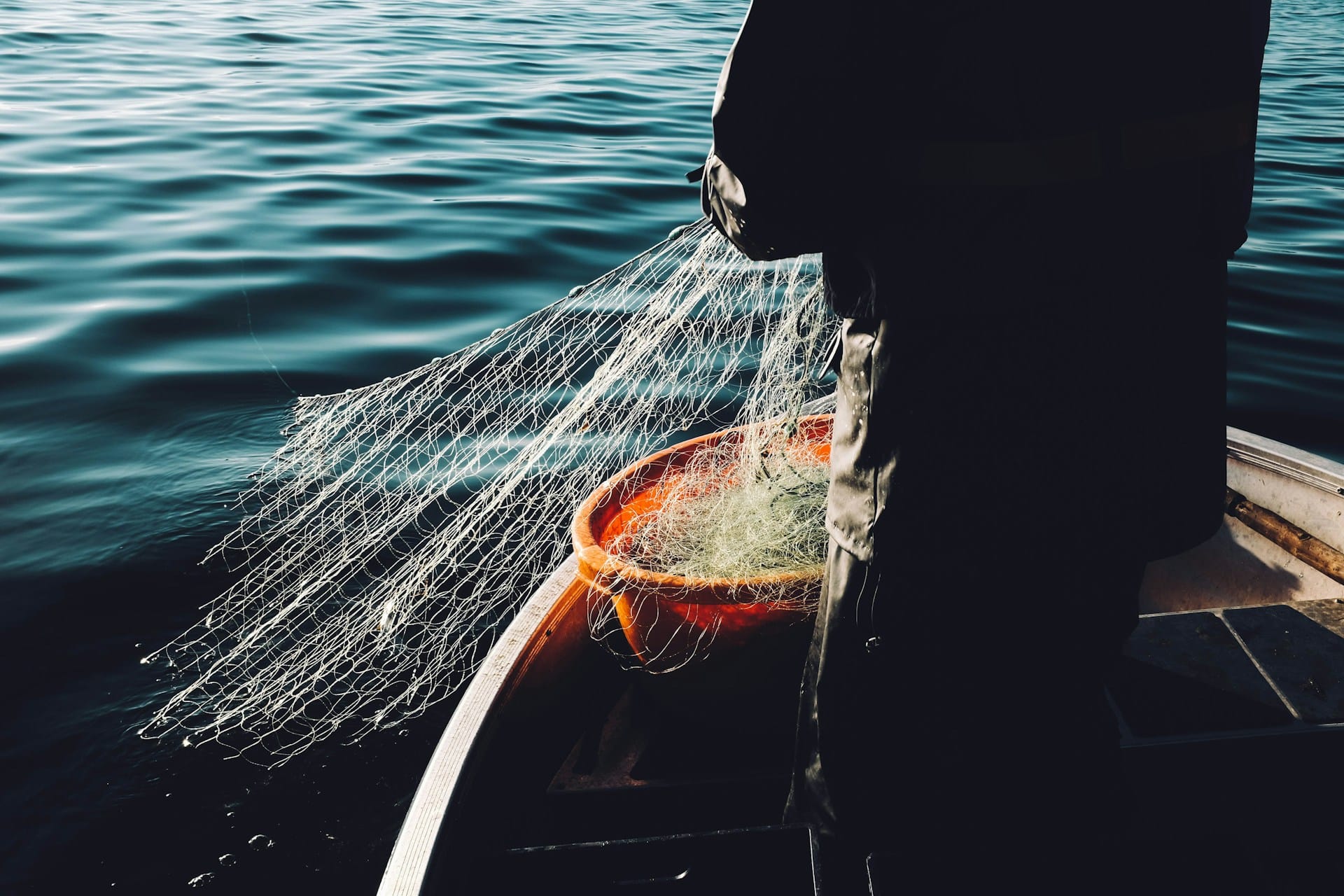
In the old days, the beach authorities—the fishermen of Caparica, in Almada—had more space to work. Today they have less and less room, squeezed by sand shortages, concessions to bars and restaurants, surf schools and other events that are outside their world.
“We used to have a beach freer for carrying out our activity; now we have many rules, and the rules have harmed us,” António Martins, known as Calita, told Lusa.
Fisherman since he was 13 or 14, master of two emblematic vessels of the Costa da Caparica shore, “The King of the Seas” and “The Queen of the Seas,” Calita watched the evolution of beach use and the restrictions imposed on fishermen over the years.
“There are a lot of events, a lot of events. But they have to remember those who are here,” he warned.
“They’ve imposed a lot of rules here—concessions; before there weren’t any. There are surf schools, everything. They can open everything, but then they forget that there must be an area for the fishermen. If there isn’t water and sand for us to work, we have to stop,” he argued.
Calita said that the fishermen have already drawn up a survey, counting the areas designated for spaces concessioned to restaurants, esplanades, surf activities, bathers and safety zones. “If they all come to the beach at the same time, there won’t be enough beach for everyone, let alone for us to work. We work where,” he asked.
“We were already here; we had to be included first, as in some beaches up north, like Mira, where the fisherman has 75% of the beaches to fish,” he underscored. “We don’t have even one percent to fish legally. We have to stop; many fishermen have given up, because then there are fines, you don’t earn, because they won’t let you work,” he said.
The activities on the beach intensify as the sand area shrinks year by year, with the rise in sea level and erosion, aggravated by more frequent and intense storms. Nevertheless, Calita confronts the causes attributed to climate change with skepticism.
“We have to go back a few years and see what happened there between the big spur and the Búgio. There was a tongue of sand there, which was even called the Crown of the Outside, and this didn’t happen; these sand shortages on the coast occur because here the sand all goes into the river. The force of the water carries sand from the water’s edge always into the river [Tejo]. When that tongue was there, the sand would stagnate there,” he recalled.
“Since that tongue left there, we know why it happened: it was to carry out works for the EXPO, for the beaches of Oeiras; they meddled with nature and the sea ended up taking it away. That stopped the force of the water; stopping the force of the water, the sand also doesn’t go,” he argued, noting that the current situation had human involvement: “Meddling with nature, it creates holes! Then to replace it is a serious matter.”
The sand shortage also impacts xávega, a traditional artisanal fishing technique, which in Caparica is classified as intangible cultural heritage.
Lídio Galinho, another leader of the crews (groups of fishermen) of the Coast, observed that less sand means less space to work. “We already have the concessions, which is normal in the summer, and the beach getting shorter, less space we have to work (…) on some beaches we are much more limited by the lack of sand,” he indicated.
Even in other types of fishing, the reduction of the sand area ends up interfering with the need for space to launch the vessels. “In terms of safety, it makes a lot of difference,” he explained.
Lídio fishes between the Costa da Caparica and Fonte da Telha, since he began to wind the rope on his father’s boat. At 14 he became a deckhand. The memories he has of the beach are of a much wider sandy area.
“The lack of sand has been noticeable for many years; we were many years without sand, there were years when more came, others less. This year, with the train of storms, the sand suddenly disappeared,” stated the skipper— a designation used in Caparica for the masters of the vessels.
Besides the proliferation of activities on the beach, the fishermen this year must also adapt to the works to replenish one million cubic metres of sand on Caparica’s beaches, bypassing the project sites and the zones where dredges operate.
Episodes of erosion on the coast have been documented since the last century, in newspaper reports and in collective memory.
“I remember the stories of my maternal grandfather, who had already worked many years ago with the Portuguese Army, about 80 or 90 years ago, making the first pontoons with clay and acacias, because even then the bars had been carried away by a storm and the beach has shrunk since then,” he noted.