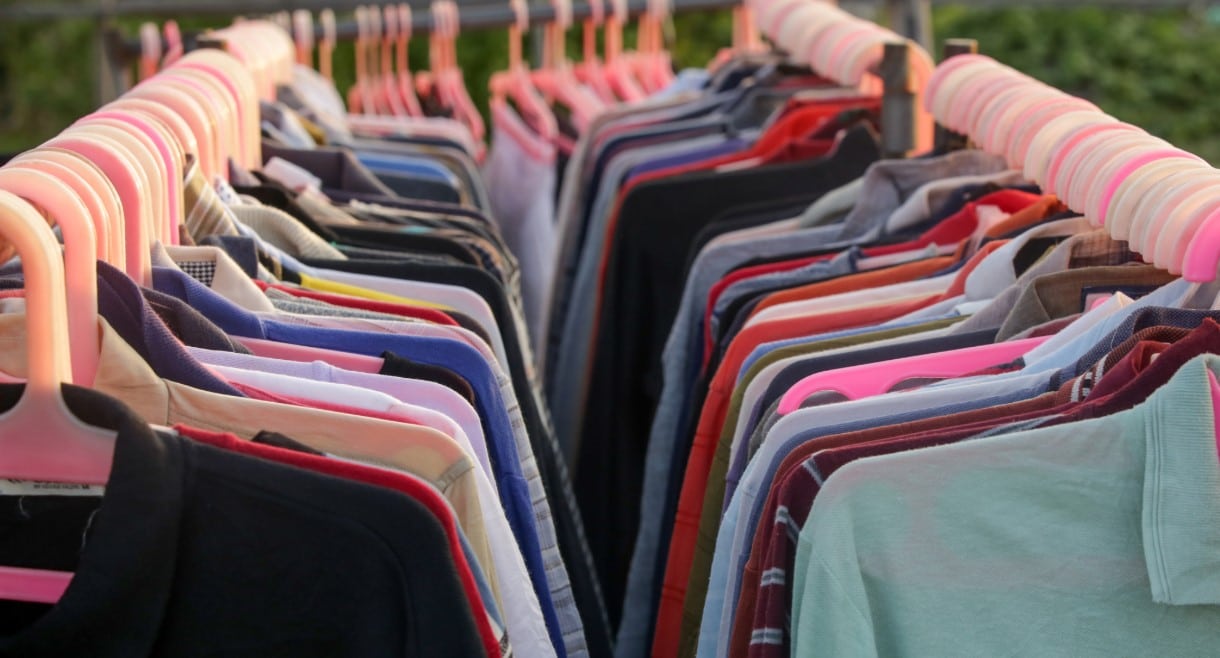
The European Commission today adopted measures to prevent the destruction of unsold clothing, apparel, accessories and footwear, aiming to reduce environmental damage in the European Union (EU), which amount to around 5.6 million tonnes of pollutant emissions per year.
In a statement released in Brussels, the institution explains that “these rules will help reduce waste, lower environmental damage and create fair competitive conditions for companies that adopt sustainable business models, enabling them to benefit from a more circular economy”.
It is estimated that every year in Europe 4 to 9% of unsold textiles are destroyed before even being used, a waste that generates around 5.6 million tonnes of carbon dioxide emissions per year.
The rules adopted today, under the Ecodesign Regulation for Sustainable Products, require companies to disclose information about unsold consumer products discarded as waste, and also introduce a prohibition on the destruction of unsold clothing, apparel and footwear.
Thus, instead of eliminating stock, companies are encouraged to better manage their inventories, handle returns and explore alternatives such as resale, remanufacturing, donations or reuse.
The prohibition on the destruction of unsold clothing, apparel and footwear, as well as the exemptions, will apply to large companies from 19 July 2026.
It will also cover medium-sized enterprises in 2030.
The disclosure rules provided for in the Ecodesign Regulation for Sustainable Products already apply to large companies and will also apply to medium-sized enterprises in 2030.
The destruction of unsold products is a wasteful practice and textiles represent a significant part of the problem, which Brussels wants to address.
To reduce waste and the sector’s environmental footprint, the European Commission wants to promote more sustainable production, while simultaneously helping European companies to stay competitive.
The Ecodesign Regulation for Sustainable Products, which entered into force in July 2024, aims to improve the sustainability of products placed on the EU market, increasing their circularity, energy performance, recyclability and durability.