Prolonged sadness, disinterest or lack of pleasure in any activity, lack of energy, persistent fatigue, difficulty concentrating and memory, loss or excess of appetite, changes in sleep (sleepiness or insomnia), gradual decrease in libido, low self-esteem, anxiety, apathy. The signs can vary greatly from person to person.
But there are some nutritional causes that may lie behind this symptomatology. Learn what to put on your plate to boost memory, reduce fatigue and nourish ideas, according to 20 specialists who shared in an article published in The Lancet Psychiatry, on behalf of the International Society for Nutritional Psychiatry Research (ISNPR), the 10 essential nutrients for the brain, according to the My Well-Being aggregator.
1. Omega-3 fatty acids, with potential usefulness in bipolar disorder, depression, post-traumatic stress disorder, and in the prevention of psychosis. These nutrients are involved in modulating the synthesis, breakdown and reuptake of neurotransmitters, such as adrenaline, serotonin and dopamine. They also have important anti-inflammatory effects for the formation of new neurons through brain-derived neurotrophic factor (BDNF) and related to the nourishment of nervous tissue. Omega-3 fatty acids, found in tuna, sardines, anchovies, salmon, mackerel, halibut, sole, among others, have shown a protective role against neurodegenerative diseases, such as Alzheimer’s disease.
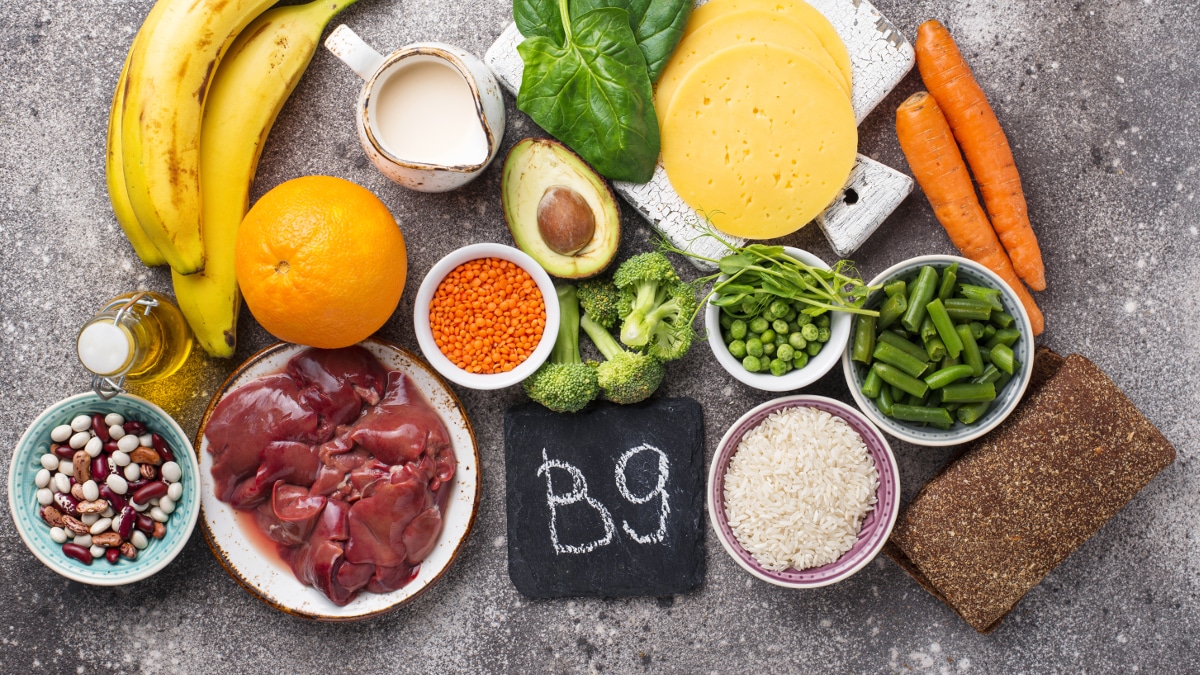
2. The B vitamin, especially folates (B9) and B12, are essential for the proper functioning of neurons. Folate deficiency (vitamin B9) is common in people with depression and is associated with a poor response to antidepressants. Administered with antidepressants, it improves the response and the onset of recovery. It can be found in fish, dairy products, eggs and brewer’s yeast.
3. Choline is the molecule precursor of acetylcholine, a neurotransmitter involved in many functions, including memory and muscle control. Along with the omega-3s and uridine, it is an essential nutrient for the formation of new neurons. It belongs to the B vitamin group and is present in the same foods.
4. Iron, together with several proteins, is involved in processes as important as oxygen transport, the formation of myelin sheaths that coat nerve fibers (axons) and allow the transmission of nerve impulses, and the synthesis of neurotransmitters that allow neurons to communicate. It can be found in fruits and vegetables, fish, meat, dairy products, grains and nuts, eggs.
5. Zinc is an immune system modulator and the formation of new neurons in the hippocampus, through the BDNF gene. Zinc supplements improve mood, especially when combined with antidepressants. Foods that contain zinc: legumes, banana, whole grains, fish, lettuce, spinach, Brussels sprouts.
6. Magnesium plays an essential role in the brain, heart and musculoskeletal system. Magnesium supplements are effective in the treatment of depression and migraine. Vegetables, fruits, nuts, fish, cereals, legumes, dairy products are rich in this nutrient.
7. S–adenosyl methionine (SAMe), a natural molecule found in all living organisms, is involved in mood regulation. Some clinical trials evaluate its efficacy as an antidepressant. Methionine is present in fish, meats and sesame seeds.
8. N-acetylcysteine (NAC) is effective in bipolar disorder, schizophrenia and other compulsive behaviours. It has anti-inflammatory, antioxidant and neuroprotective activity. N-acetylcysteine (NAC) is a more stable form of the amino acid L-cysteine and is present in fish, meats and nuts, vegetables, among others.
9. Vitamin D is a neurosteroid and in low concentrations in pregnant women is associated with a lower risk of schizophrenia. Its deficiency also promotes depressive symptoms. It can be found in dairy products, fatty fish, eggs, cereals.
10. The amino acids are essential to combat depression. Nine amino acids cannot be produced by the body and therefore must be supplied by the diet (essential amino acids). Complete sources of amino acids are meat, fish, eggs, dairy products. Among plant sources, the most complete is soy, and the combination of other foods such as rice and beans can also provide this. Restrictive diets consisting only of salads and soups can lead to depression.
The essential amino acid tryptophan is necessary for the formation of serotonin, an essential neurotransmitter for good mood.