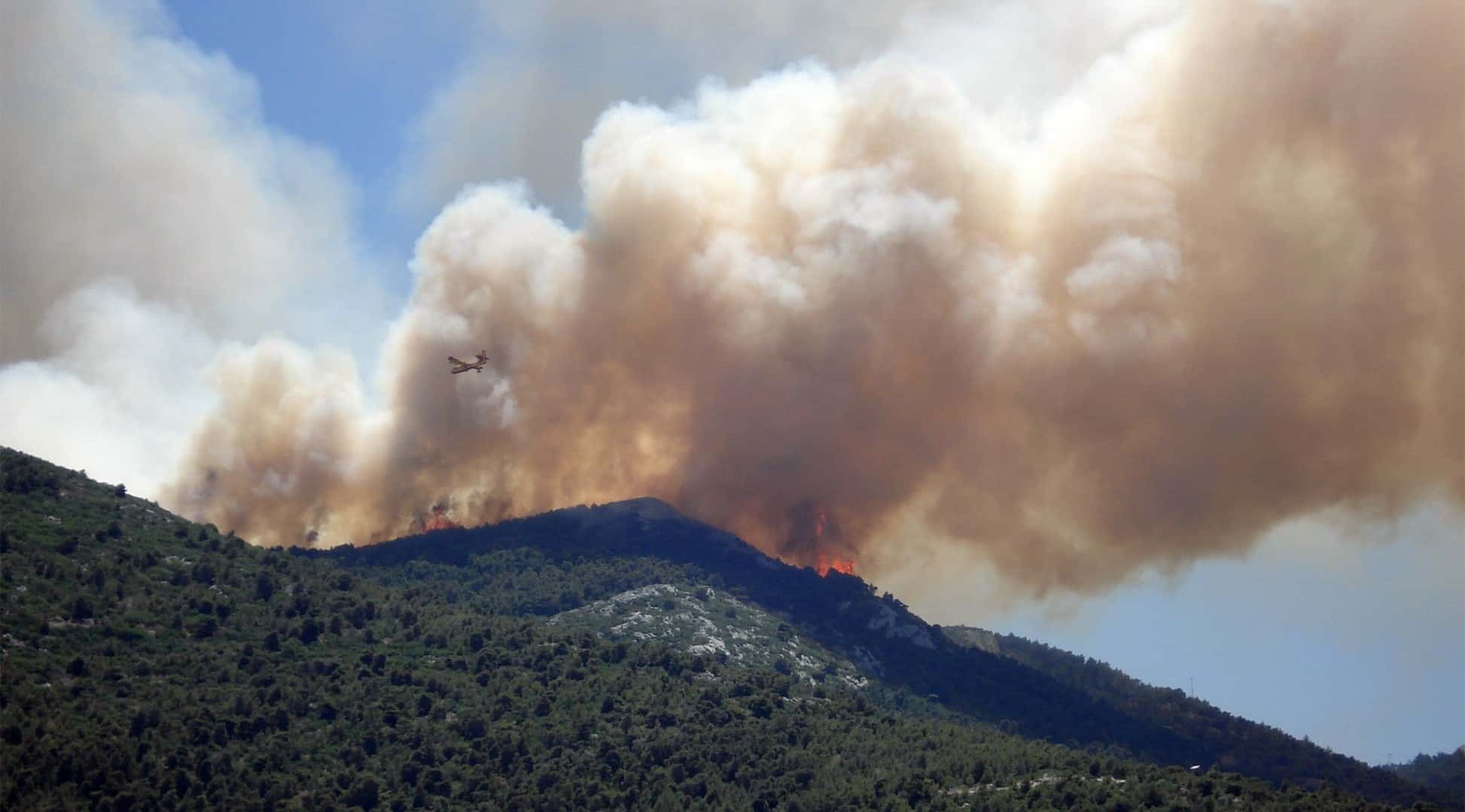
Exposure to the fine particles released by wildfires is associated with an increase in emergency department visits for migraines and other primary headaches, according to a study that analyzed nearly one million hospital episodes in Canada.
Air pollution caused by wildfires could raise the risk of severe migraine episodes and other headaches, leading more people to seek emergency services. The conclusion comes from an international study published in the scientific journal JAMA, which analyzed 997,701 emergency visits recorded in the Canadian provinces of Alberta and Ontario between 2010 and 2023.
The researchers found that exposure to fine particles (PM2.5) from wildfires was associated with a 6% increase in emergency department visits for migraines and other types of primary headaches.
PM2.5 are particles with a diameter of 2.5 micrometers or less, small enough to penetrate deeply into the respiratory system and enter the bloodstream. The study authors suggest that exposure to this type of pollutant may precede headache episodes sufficiently severe to warrant hospital care.
The investigation also concluded that this association was less evident in areas with lower levels of material and social deprivation, suggesting that socioeconomic factors may influence populations’ vulnerability to the impacts of wildfire smoke.
On the other hand, the researchers did not find a significant association between fine particles and emergency visits on days without wildfires, which reinforces the hypothesis that the specific characteristics of wildfire smoke play an important role in the aggravation of headaches.
The authors consider that the results contribute to deepening knowledge about the effects of wildfires on human health, at a time when these phenomena are becoming more frequent and intense in various regions of the world due to climate change.
According to the research team, a better understanding of the impacts of wildfire smoke could help health systems anticipate periods of greater demand for emergency services and develop protection strategies for the most exposed populations.