
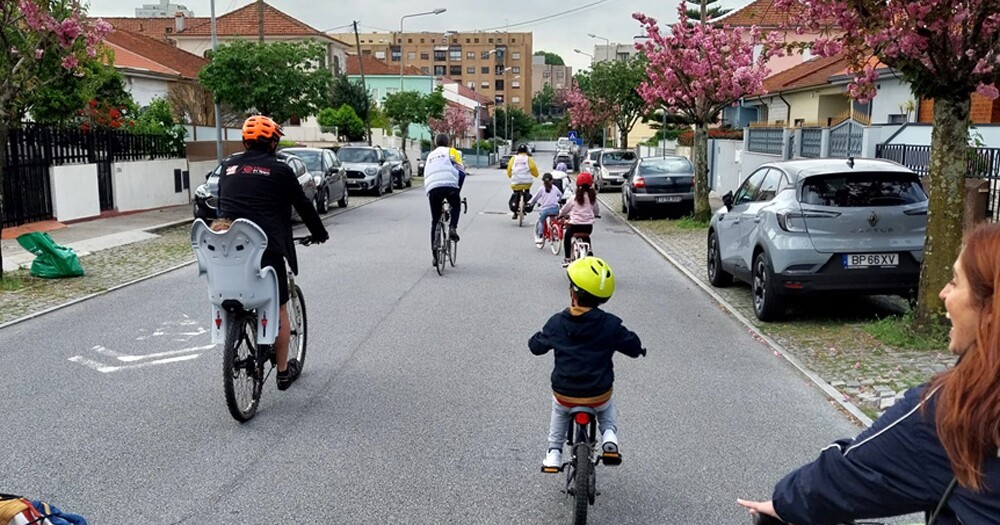
Each journey is an opportunity to rethink the way we travel. Whenever the characteristics of the route and the conditions available permit it, leaving the car at home and opting for public transport, walking or cycling can be an alternative to reduce the environmental impact associated with mobility. The choice should take into account the distance, the time available, safety and the options available on each route.
Prioritize public transport
As long as there is a suitable connection, opting for the bus, train, metro or another form of public transport can be an alternative to the private car. In addition to allowing several people to be carried in a single trip, this option can be especially useful for regular journeys or routes to areas with higher congestion. Checking schedules in advance and the available connections helps determine which solution is most convenient for each journey.
For short distances, opt to walk or cycle
Not all trips need to be made by car. For short routes, and when safety conditions allow, walking or cycling can be a simple alternative. Besides avoiding the use of a motorized vehicle, these options can be integrated into daily life for trips to work, school, shopping or other services.
Use different means of transport
It is not necessary to always choose a single mode of transport for a trip. Mixing different options can facilitate certain itineraries. For example, you can use a bicycle or walk to reach a station and complete the remaining leg of the journey by train or metro. It can also be an option to park the car near a transport hub and continue the journey by public transport.
Share the car whenever possible
When the car is necessary, sharing the trip can prevent several people from making the same journey in different vehicles. Coordinating trips with colleagues, family or friends can be a solution for regular journeys, such as commuting to work or to school activities, reducing the number of vehicles on the road.
Plan trips
Before setting out, it is important to check the different options available and choose the one that best fits the route. Checking schedules, combining different means of transport and grouping several commitments into a single outing are strategies that can prevent unnecessary trips. Planning also allows you to compare time, distance and the conditions of each alternative.
There is no mobility solution that fits all situations. Evaluating the available alternatives for each journey and choosing, whenever possible, an option that reduces dependence on the car can contribute to mobility with a lower environmental impact.