
Since the dawn of humanity, women have played a central role in family life, whether by taking care of the home or of the children. However, in recent times tasks have begun to be shared more, and in some families the role has even reversed, with men taking care of the home and the children.
As in the human species, there are also animal species where roles have inverted and the one who cares for the offspring and the den or nest is the parent. According to a new study, published in the scientific journal Animal Behaviour, on the sanitary habits of woodpeckers, particularly in the species Colaptes auratus, commonly known as the northern flicker, it is the male of this species who takes on the household tasks.
Researchers already knew that woodpeckers of this species, like other woodpecker species, have an inverted sexual role, where it is the parent who spends more time incubating the eggs and feeding the offspring compared with the female. However, scientists have now discovered that the parent’s diligence extends to nest hygiene. When the offspring defecate in the nest, it is the male who must pick up the excrement and deposit it far from the nest.
“This task helps remove microbes, microbes that could alert predators and makes the nest much cleaner,” says Elizabeth Gow, a postdoctoral researcher at the University of British Columbia and the study’s lead author, quoted by the New York Times. “It is an aspect of parental care that we often forget,” she adds.
According to the researcher, the male woodpeckers of this species are responsible for about 60% of the nest hygiene tasks, spending about an hour per day on these tasks.
The new investigation reflects a growing interest among the scientific community in the sanitary issues of animals — why and how many species stay clean and at their living sites — and this has been reflected in the number of studies on the topic, which has increased in recent times.
Nature can be wild, but that does not mean that animals do not have rules for cleaning up litter and avoiding sources of contamination. Researchers have already identified worker bees that specialize in removing the corpses of other bees from the hive, as well as underground chambers that African mole-rats use specifically to defecate.
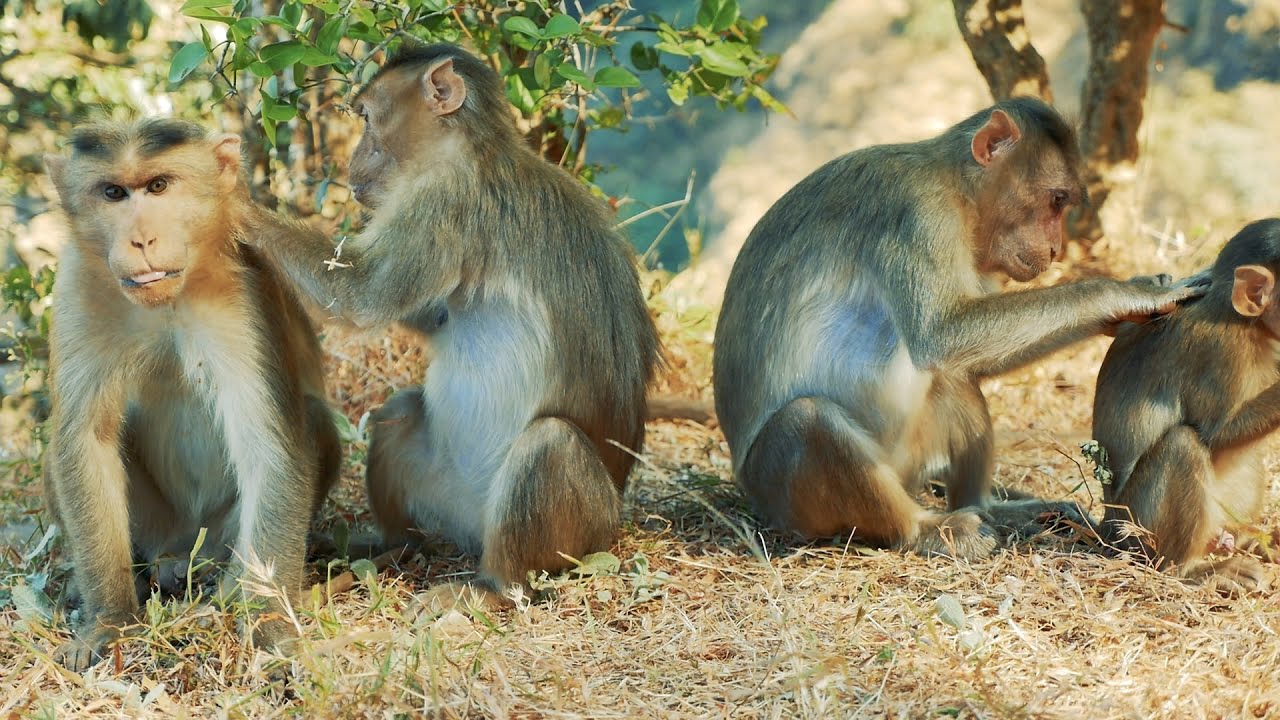
Among chimpanzee populations, for example, hygiene often functions as a driver of cultural evolution, and primatologists have discovered that different populations of this primate are distinguished by their hygienic habits.
The chimpanzees of Tai National Park, in Ivory Coast, pluck parasites off other chimpanzees with their fingers and kill the parasites with their forearms. By contrast, the chimpanzees of Budongo Forest, in Uganda, prefer to place the parasites they pluck on leaves so that they can be inspected or simply to decide which are safe to eat and which are not, or which will simply be crushed.





