A study presented today by APIEE and EY-Parthenon concludes that an energy strategy based on the combination of electrification and renewable gases could generate savings of up to 10 billion euros compared with a scenario of full electrification of the Portuguese economy, according to a press release.
The study “Sustainability of the National Gas Distribution Network,” presented in Lisbon, argues that maintaining an integrated energy system, combining electricity and gas, allows reducing costs associated with reinforcing the electric grid and retrofitting buildings, while also ensuring greater flexibility and security of supply.
According to the analysis, the national gas distribution network is one of the most modern in Europe, displaying high levels of reliability and conditions to support decarbonisation goals.
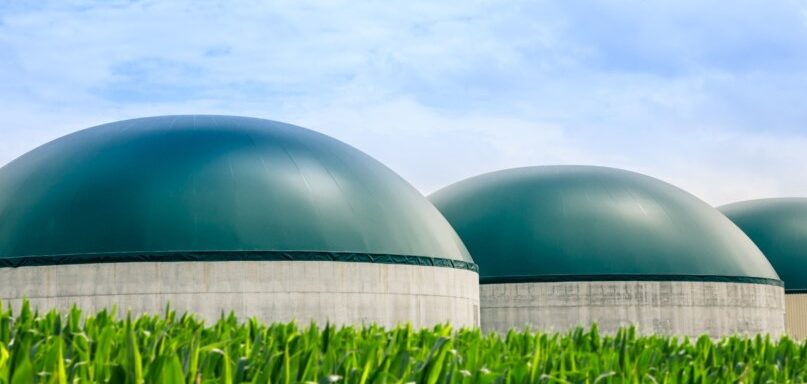
The authors also estimate that biomethane could eventually replace up to 60% of current gas consumption, contributing to strengthening national energy autonomy and reducing dependence on imports.
The study warns, however, about the effects of recent legislative measures, namely Decree-Law No. 11/2023 and the E-Lar Program, considering that they accelerate the electrification of consumption without alignment with the European strategy for the integration of the different energy vectors.
According to the analysis, these measures could reduce the number of consumers connected to the gas network, increase tariff pressure on the remaining users, compromise the utilization of a recent infrastructure and limit the future integration of renewable gases into buildings and the economy.
Although pointing to a trend of gradual reduction in gas demand, the study contends that the National Gas System will continue to play a relevant role until 2040, maintaining consumption levels deemed compatible with the continuation of investment in the network.
The authors also argue that sharp reductions in investment do not necessarily lead to lower tariffs, arguing that maintaining regular investments is essential to ensuring tariff stability and the sustainability of the system.
Hermano Rodrigues, Principal at EY-Parthenon, states that the analysis shows that an integrated approach to the energy system “allows significant efficiency gains,” potentially avoiding up to 10 billion euros in additional costs compared with scenarios of full electrification.
For his part, the CEO of APIEE, João Rodrigues, considers that the energy transition in Portugal “should not be seen as a choice between electrification or gas,” instead advocating for a mix of solutions that preserves the gas network and promotes the use of renewable gases.
The study was developed within the scope of reflecting on the role of the gas distribution network in Portugal, in a context of energy sector transformation marked by decarbonisation goals, the growing electrification of consumption, and the evolution of the regulatory framework.