Quercus joined the Barroso People and Nature Association in the popular action currently before the court to block the reactivation of the Borralha Mine, in the municipality of Montalegre. The aim is for the Environmental Impact Declaration (DIA) favorable conditioned that the Portuguese Environment Agency (APA) issued for the Minerália project to be declared null. The two associations fear for the water resources of the Cávado basin, which serve more than one million inhabitants, and the project has already prompted a public petition by the Cávado Sem Minas collective.
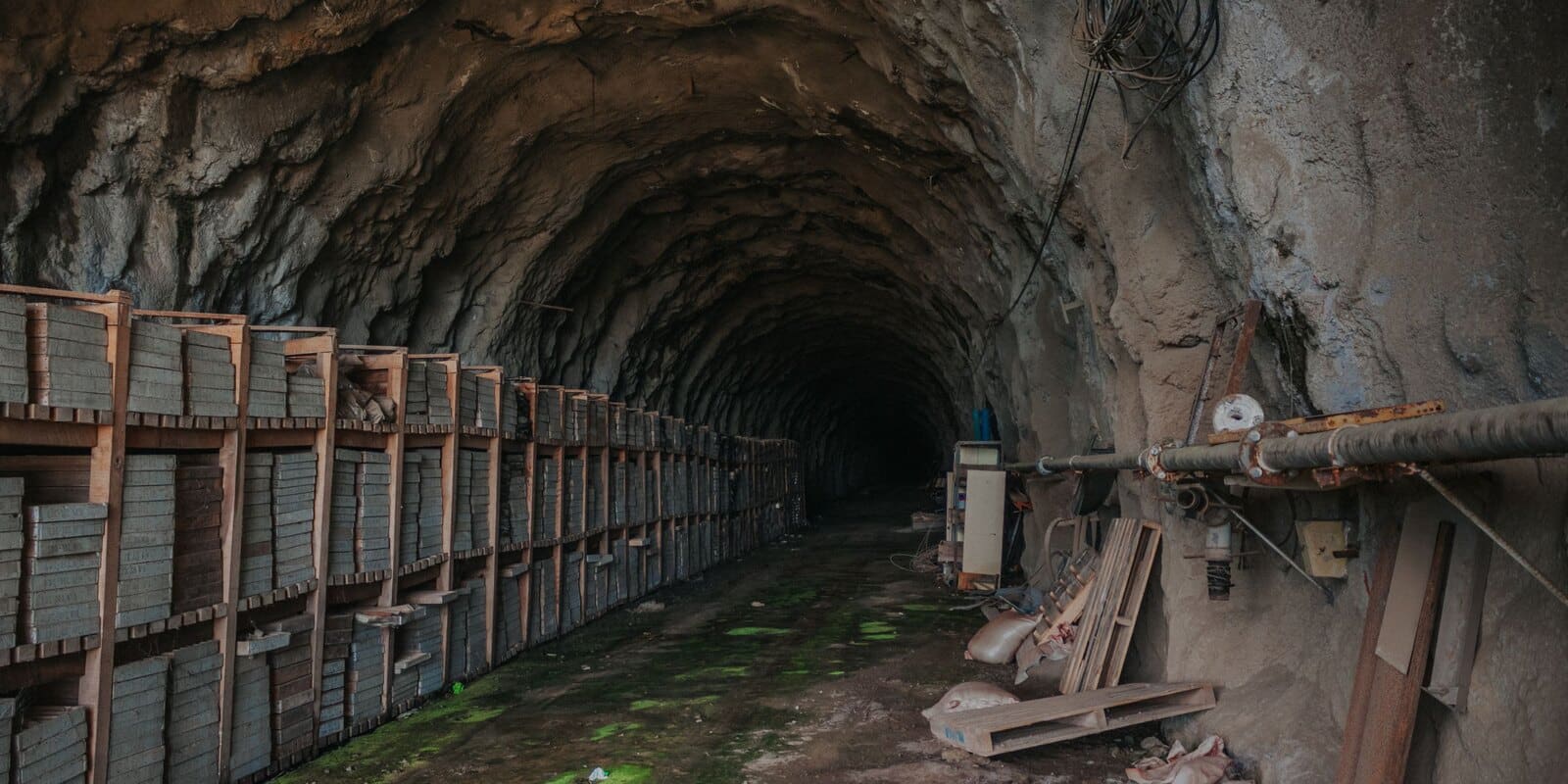
Having been inactive since 1986, the mine left an environmental liability that, according to Quercus, is still evident today in acid drainage and in the heavy metals present in soils and water. The project now plans to extract 500,000 tonnes per year of raw materials such as tungsten (wolfram) and copper and tin concentrates, which implies an above-ground tailings facility of 2.7 million tonnes. Of the municipalities in the Cávado basin, only Montalegre opposes the project. The others, from Braga to Esposende, and the intermunicipal communities of Cávado and Ave, have not commented.
The association accuses the APA of violating the principles of prevention and precaution, for having approved the project and left decisions that should have been taken earlier to be made later. The DIA refers to the Environmental Compliance Report of the Execution Project (RECAPE) for issues such as the location and capacity of the mine’s wastewater treatment plant, the hydrological studies, the plan for managing acidic waters, and the assessment of spill and failure scenarios. For Quercus, this means that minimization and compensation measures were defined from a reality that is still to be studied.
Water is the main concern. The promoter guarantees that it will use 100% recycled water and that there will be no industrial discharges, but the DIA does not obligate him to do so: it speaks of an “as closed as possible” circuit and admits the release of surplus effluents. The synthesis report of the study predicts, on one page, the discharge of treated effluents into Corga do Caniçó and states, on another, that there will be no leakage of wastewater into the natural environment. These discharges, warns Quercus, could reach the Venda Nova reservoir, which supplies populations.
Also at stake is the loss of 7.48 hectares of protected oak woodland and 20.6 hectares of deforestation, in a region with three to six stable wolf packs and with critically endangered fish in the Amiar stream. The association also criticizes that the mine was left outside the regime for the prevention of major accidents, despite planning to use 400 tonnes per month of potentially dangerous chemical reagents, such as sulfuric acid.
The village of Borralha forms part of the Barroso World Agricultural Heritage Site, recognised by FAO since 2018, and lies in the vicinity of the Peneda-Gerês National Park. The Evaluation Commission itself recognises significant cumulative impacts in terms of noise and vibrations, as well as the need to evacuate homes of families who have lived there for generations.