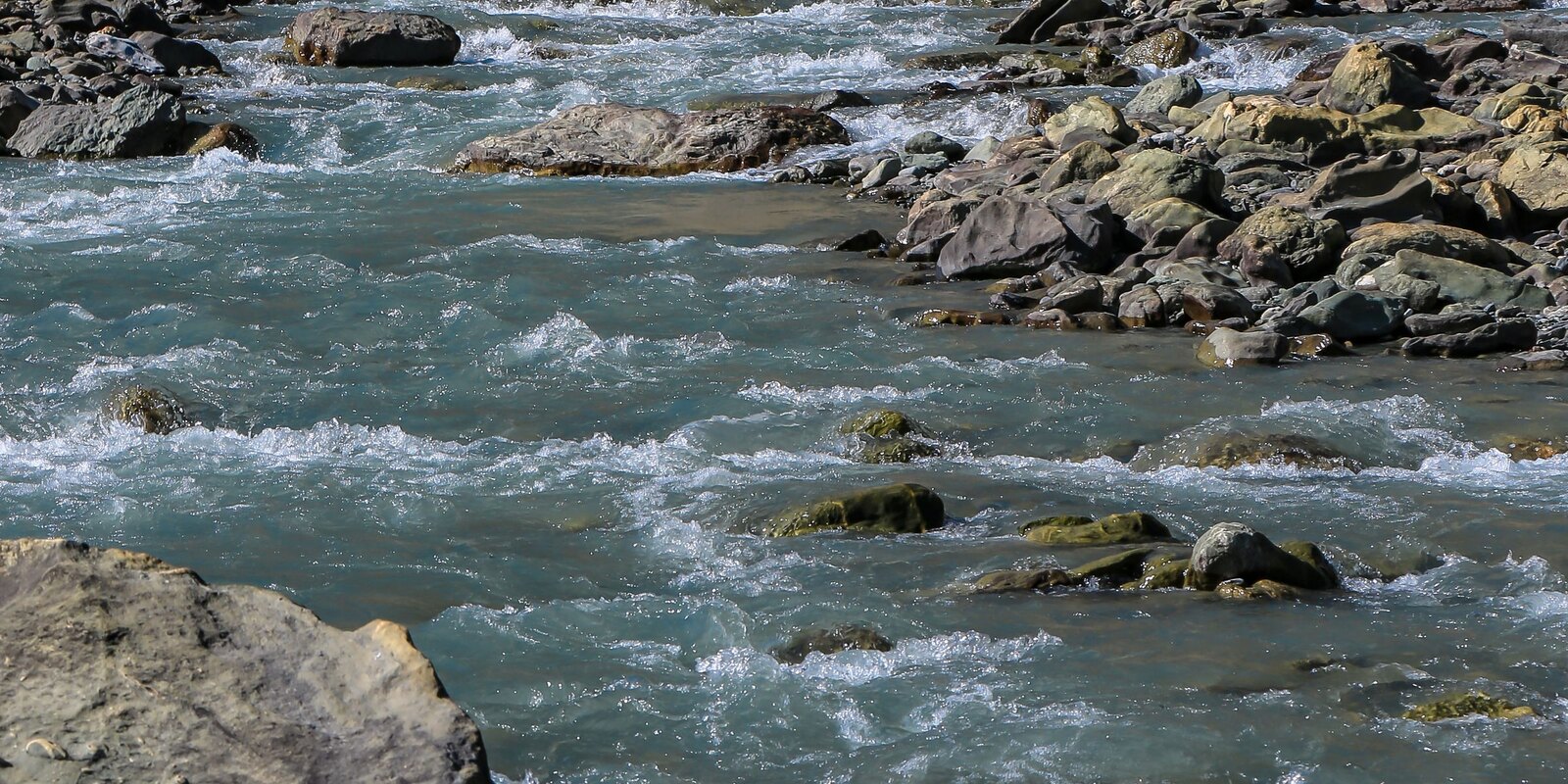
The public consultation of the Environmental Impact Study (EIA) for the Foupana Dam ended on October 16 with unfavorable opinions from ZERO, Quercus, and the Platform for Sustainability and Biodiversity of the Algarve and Alentejo (PPSBAA). The project, still in the preliminary study phase, foresees a dam about 52.5 meters high with a capacity between 99 and 124 hm³ on the Foupana stream, in the municipalities of Alcoutim and Castro Marim, connected by a tunnel to the Odeleite-Beliche system. The investment is estimated at between 150 and 200 million euros and the project is part of the “Water That Unites” strategy, carried out by AdP AQUA, of the Águas de Portugal group. The promoter is the Sotavento do Algarve irrigation association, whose members are the direct beneficiaries of the project.
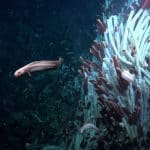
At the center of ZERO’s criticisms is the saramugo (Anaecypris hispanica), a small fish that exists only in the Guadiana basin and that is classified as “Endangered.” In Portugal, the species has disappeared from half of the sub-basins where it occurred and now survives in only five, one of them the Foupana’s. According to the association, the study itself acknowledges that the saramugo will not survive the project, but concludes that the Natura 2000 Network is not affected, because the ribeira [stream] was outside the Guadiana Special Conservation Zone. It was this gap that ZERO took to the European Commission in September, in a complaint against the Portuguese State for leaving out of the network the majority of the streams where the fish still lives.
Water accounting is also put into question. According to ZERO, the dam would add on average about 10 hm³ per year to the Odeleite-Beliche system, with a guarantee of only 80%, and the study does not compare it with alternatives such as reducing losses, efficiency, or the reuse of wastewater. Quercus reminds of the region’s climate projections, which point to declines of 8% to 26% in average annual precipitation and more frequent droughts, and acknowledges that the reservoir could become an “abandoned asset” that does not justify the investment.
For Quercus and for the PPSBAA, the project mainly serves the expansion of intensive irrigation. Quercus notes that avocado production and other subtropical fruits in the region grew 96% between 2013 and 2023, and PPSBAA emphasizes that agriculture accounts for about 57% of water use in the Algarve and that the project intends to serve an irrigation perimeter of 8,600 hectares. Both argue that public money should go to water efficiency, to reducing losses in networks, and to crops adapted to the Mediterranean climate. “Building yet another large dam is, in fact, a perverse incentive to perpetuate an unsustainable agricultural model,” says Alexandra Azevedo, president of Quercus.
The described impacts go beyond fish. According to the EIA cited by PPSBAA, about 18 kilometers of stream would be submerged, and the organizations refer to the impact on more than 70 hectares of holm oaks and cork oaks and effects on species such as the Iberian lynx, the otter, the Bonelli’s eagle, and the Iberian imperial eagle.
There is also the issue of conflict of interest. PPSBAA speaks of a “clear conflict of interest” and states that the irrigation association is chaired by Macário Correia, who also leads AdP AQUA. ZERO mentions “recent links” between members of the AdP AQUA administration and the promoting association and asks the Government to publicly explain how it guarantees the independence of decisions before any licensing, contracting, or financing of the dam. The Environmental Impact Assessment now rests with the Portuguese Environment Agency.